Addressing Loneliness in 2026: Community Strategies
Advertisements
Effective community strategies are crucial for addressing loneliness in 2026, fostering deeper social connections, and significantly enhancing overall well-being across the United States.
In an increasingly interconnected yet paradoxically isolated world, the challenge of addressing loneliness in 2026: 5 community strategies for enhanced well-being has never been more pressing. This article explores actionable approaches to build stronger, more resilient communities that combat social isolation head-on, promoting a healthier collective future.
Understanding the Loneliness Epidemic in 2026
Loneliness, once considered a personal plight, is now widely recognized as a public health crisis with profound implications for individual and societal well-being. In 2026, factors such as increased digital interaction, evolving work patterns, and demographic shifts continue to exacerbate feelings of isolation across various age groups in the United States. This section delves into the multifaceted nature of contemporary loneliness and its far-reaching consequences.
The Silent Health Crisis
Beyond emotional discomfort, chronic loneliness is linked to a range of severe health issues. Research indicates that prolonged isolation can increase the risk of heart disease, stroke, dementia, and weakened immune function. It is a stressor that impacts both mental and physical health, demanding a proactive and comprehensive response from communities.
Advertisements
- Physical Health Risks: Elevated blood pressure, increased inflammation, and higher mortality rates.
- Mental Health Impacts: Higher incidence of depression, anxiety, and cognitive decline.
- Societal Costs: Reduced productivity, strain on healthcare systems, and diminished community cohesion.
The economic burden of loneliness is also substantial, affecting workforce productivity and increasing healthcare expenditures. Recognizing loneliness as a critical public health issue is the first step towards developing effective interventions. This understanding helps shift the narrative from individual failing to a collective responsibility, paving the way for systemic change.
Ultimately, addressing this epidemic requires a holistic approach that acknowledges the complex interplay of individual circumstances and environmental factors. Communities must innovate to create environments where connections can naturally flourish, moving beyond superficial interactions to foster genuine belonging.

Strategy 1: Fostering Intergenerational Connection Programs
One of the most powerful tools in combating loneliness is bridging generational divides. Intergenerational programs create unique opportunities for individuals of all ages to interact, learn from each other, and form meaningful bonds. These initiatives are not just about helping older adults or younger generations; they are about enriching the entire community fabric.
Benefits Across Age Groups
When different generations come together, a synergy emerges that benefits everyone involved. Older adults can share wisdom and experience, while younger individuals bring fresh perspectives and digital literacy. This exchange can invigorate participants, reduce stereotypes, and create a sense of purpose for all.
- For Seniors: Reduced isolation, improved cognitive function, and enhanced sense of purpose.
- For Youth: Mentorship, life skills development, and improved academic performance.
- For Communities: Stronger social cohesion, knowledge transfer, and greater empathy.
Examples of successful intergenerational programs include shared housing initiatives, mentorship programs, and community service projects where diverse age groups collaborate. These programs often require careful planning and facilitation to ensure that interactions are positive and mutually beneficial. The key is to design activities that genuinely appeal to and engage participants from all generations, ensuring that everyone feels valued and heard.
Investing in these programs is an investment in the social capital of a community. By creating spaces and opportunities for intergenerational interaction, we not only address loneliness but also build a more resilient and compassionate society. The ripple effect of these connections extends far beyond the immediate participants, strengthening the entire community network.
Strategy 2: Developing Accessible Community Hubs
Community hubs serve as vital anchors in the fight against loneliness, providing physical spaces where people can gather, participate in activities, and connect with others. In 2026, the concept of a community hub has evolved to be more inclusive and versatile, catering to a wider range of needs and interests, and ensuring accessibility for all residents.
The Evolution of Public Spaces
Modern community hubs are more than just recreation centers or libraries; they are dynamic ecosystems designed to foster social interaction and support. They might include co-working spaces, community gardens, arts and crafts studios, or even pop-up cafes. The emphasis is on creating inviting environments that encourage spontaneous encounters and planned activities.
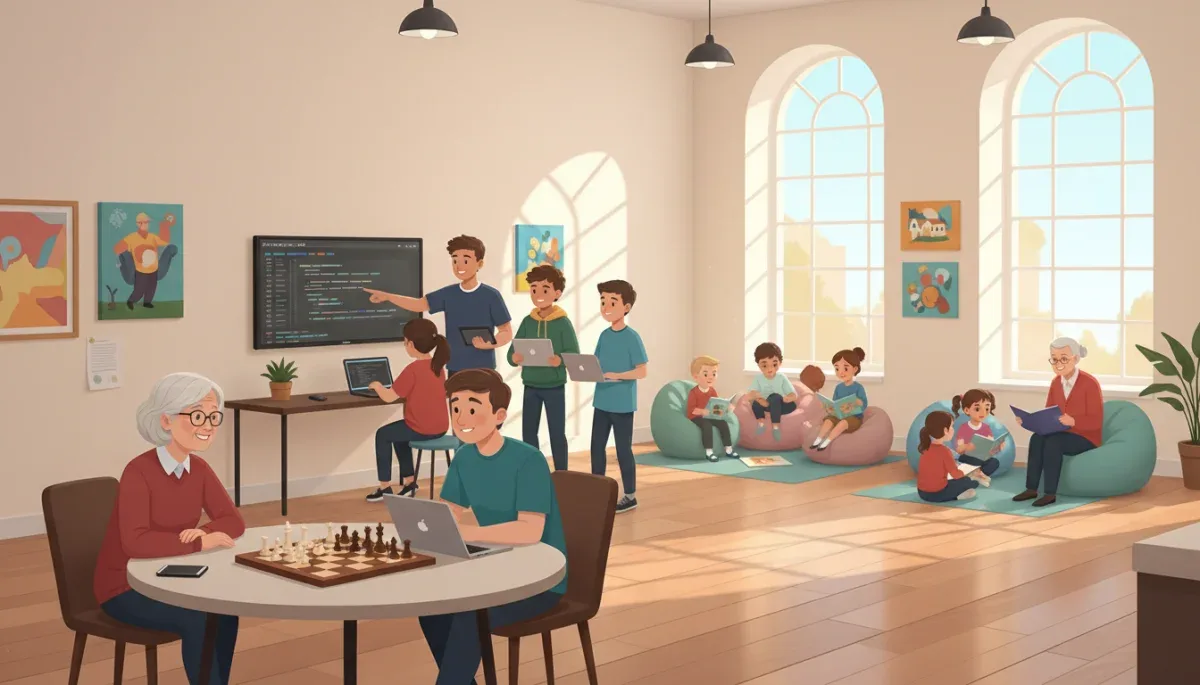
Accessibility is paramount. This means not only physical accessibility for individuals with disabilities but also programmatic accessibility, ensuring that activities are diverse and cater to various interests, cultural backgrounds, and socioeconomic statuses. Transportation access, affordable programming, and multilingual resources are all crucial components of an effective hub.
- Physical Accessibility: Ramps, elevators, accessible restrooms, and clear pathways.
- Programmatic Diversity: Wide range of activities from educational workshops to social events.
- Financial Inclusivity: Free or low-cost programs to ensure broad participation.
- Cultural Sensitivity: Programs and resources that reflect the diverse community.
These hubs can be transformative, acting as central nervous systems for community life. They provide a sense of place and belonging, reducing isolation by offering consistent opportunities for engagement. By investing in and thoughtfully designing these spaces, communities can create powerful antidotes to the pervasive feelings of loneliness.
Ultimately, a successful community hub is one that evolves with the needs of its residents, constantly seeking feedback and adapting its offerings to remain relevant and impactful. It's a living space that reflects the vibrancy and diversity of the people it serves, becoming a true home away from home for many.
Strategy 3: Leveraging Digital Platforms for Local Connection
While digital technology is often cited as a contributor to loneliness, it also holds immense potential to facilitate local connections and combat isolation when used strategically. In 2026, communities are increasingly harnessing digital platforms to create online spaces that complement and enhance real-world interactions, rather than replacing them.
Bridging the Digital Divide
The key to effective digital engagement is to design platforms that are user-friendly, inclusive, and focused on fostering genuine local interaction. This includes community-specific social networks, local event calendars, and online forums where residents can share resources, organize activities, and offer support to one another. It's crucial to ensure these platforms are accessible to all, including those with limited digital literacy or access to technology.
- Community Forums: Dedicated online spaces for local discussions and support.
- Event Aggregators: Centralized calendars for all local happenings, making it easy to find activities.
- Skill-Sharing Networks: Platforms for residents to offer and request skills, fostering reciprocity.
- Digital Literacy Programs: Workshops to help all community members confidently use online tools.
These digital tools can significantly lower the barrier to participation, especially for individuals who might find it challenging to attend physical gatherings due to mobility issues, social anxiety, or busy schedules. They offer a flexible entry point into community life, allowing individuals to connect at their own pace and comfort level. Moreover, digital platforms can be powerful tools for organizing and promoting community events, ensuring broader reach and participation.
However, it is essential to remember that digital connections are most effective when they lead to or support offline interactions. The goal is not to keep people perpetually online, but to use digital tools as a springboard for real-world engagement, building stronger community bonds that transcend the screen. This balanced approach maximizes the benefits of technology while mitigating its potential downsides.
Strategy 4: Promoting Volunteerism and Civic Engagement
Volunteerism and civic engagement are powerful antidotes to loneliness, offering individuals a sense of purpose, belonging, and connection to their community. When people contribute their time and skills to a cause greater than themselves, they not only help others but also forge meaningful relationships and strengthen the social fabric. In 2026, communities are actively promoting diverse opportunities for engagement.
The Two-Way Street of Giving
Engaging in volunteer work provides a structured environment for social interaction, often leading to deep connections with fellow volunteers and beneficiaries. It shifts focus from self to service, which can be incredibly fulfilling and reduce feelings of isolation. From environmental clean-ups to mentoring programs, the options for civic participation are vast and varied.
- Sense of Purpose: Contributing to a meaningful cause boosts self-esteem and well-being.
- New Connections: Opportunities to meet like-minded individuals and form friendships.
- Skill Development: Learning new skills or honing existing ones through service.
- Community Impact: Directly seeing the positive effects of one's efforts.
Communities can facilitate this by creating easy-to-access volunteer matching platforms, organizing regular civic events, and celebrating the contributions of their volunteers. Partnerships between local government, non-profits, and community groups are essential to create a robust ecosystem of engagement opportunities. Making volunteer roles flexible and accessible can also encourage broader participation, accommodating different schedules and abilities.
Ultimately, fostering a culture of volunteerism is about more than just getting tasks done; it's about building a participatory community where everyone feels they have a role to play. This active involvement creates a virtuous cycle: the more people engage, the stronger the community becomes, and the less likely individuals are to experience profound loneliness. It's a testament to the idea that helping others is often the best way to help ourselves.
Strategy 5: Supporting Mental Health and Well-being Initiatives
Addressing loneliness is inextricably linked to supporting mental health and overall well-being. Communities must develop and promote initiatives that not only tackle the symptoms of loneliness but also address its underlying causes, such as mental health challenges, social anxiety, or lack of social skills. In 2026, a proactive and empathetic approach is crucial.
Holistic Well-being Approach
This strategy involves providing accessible mental health resources, promoting mental health literacy, and creating safe spaces for open discussions about emotional well-being. It's about destigmatizing mental health issues and ensuring that individuals feel comfortable seeking help when they need it. This includes offering workshops on social skills, resilience, and emotional regulation, which can empower individuals to build and maintain healthier relationships.
- Accessible Therapy: Ensuring affordable and readily available counseling services.
- Mental Health Education: Workshops and campaigns to raise awareness and reduce stigma.
- Support Groups: Facilitating peer-led groups for shared experiences and mutual support.
- Mindfulness Programs: Promoting practices that enhance emotional regulation and self-awareness.
Community leaders and organizations play a vital role in championing these initiatives, advocating for resources, and fostering an environment of care and understanding. Training community members in mental health first aid can also create a network of support, enabling individuals to recognize and respond to mental health crises within their social circles. The focus should be on early intervention and preventative measures, rather than solely reactive responses.
By prioritizing mental health and well-being, communities create a foundation where individuals are better equipped to form meaningful connections and thrive socially. It's about building a supportive ecosystem where every resident feels valued, understood, and connected, making loneliness a less prevalent and more manageable challenge. This comprehensive approach acknowledges the deep connection between mental health and social integration.
| Key Strategy | Brief Description |
|---|---|
| Intergenerational Programs | Connects different age groups to share knowledge and build relationships. |
| Community Hubs | Provides accessible physical spaces for gathering and activities. |
| Digital Local Connection | Uses online platforms to foster real-world interactions and support. |
| Volunteerism & Civic Engagement | Encourages participation in community service to build purpose and ties. |
Frequently Asked Questions About Combating Loneliness
What is the primary goal of community strategies for loneliness?▼The primary goal is to create environments where individuals feel a sense of belonging and have ample opportunities for meaningful social interaction, reducing feelings of isolation and enhancing overall well-being across all demographics within the community.
How can digital platforms effectively address loneliness?▼Digital platforms can address loneliness by facilitating local event discovery, creating online community forums for support, and connecting individuals with shared interests, ultimately encouraging and complementing real-world social engagements rather than replacing them.
Why are intergenerational programs important for reducing loneliness?▼Intergenerational programs are crucial because they bridge age gaps, allowing different generations to exchange knowledge, experiences, and support. This fosters mutual respect, combats ageism, and provides participants with a renewed sense of purpose and connection, benefiting all involved.
What role do community hubs play in enhancing well-being?▼Community hubs act as central gathering places, offering diverse activities, resources, and safe spaces for people to connect. By being accessible and inclusive, they provide consistent opportunities for social interaction and engagement, which are fundamental for mental and social well-being.
How does volunteerism contribute to combating loneliness?▼Volunteerism provides individuals with a sense of purpose and belonging by connecting them with a cause and like-minded people. It offers structured opportunities for social interaction, fosters new friendships, and contributes to a stronger community, thereby reducing feelings of isolation and increasing overall life satisfaction.
Conclusion
Addressing loneliness in 2026: 5 community strategies for enhanced well-being requires a concerted, multi-faceted effort. By fostering intergenerational connections, developing accessible community hubs, leveraging digital platforms for local engagement, promoting volunteerism, and supporting comprehensive mental health initiatives, communities can build stronger, more resilient social fabrics. These strategies not only combat the pervasive issue of loneliness but also cultivate environments where every individual feels valued, connected, and supported, leading to a healthier and more vibrant society for all.