New Federal Cybersecurity Regulations Impacting U.S. Businesses
Advertisements
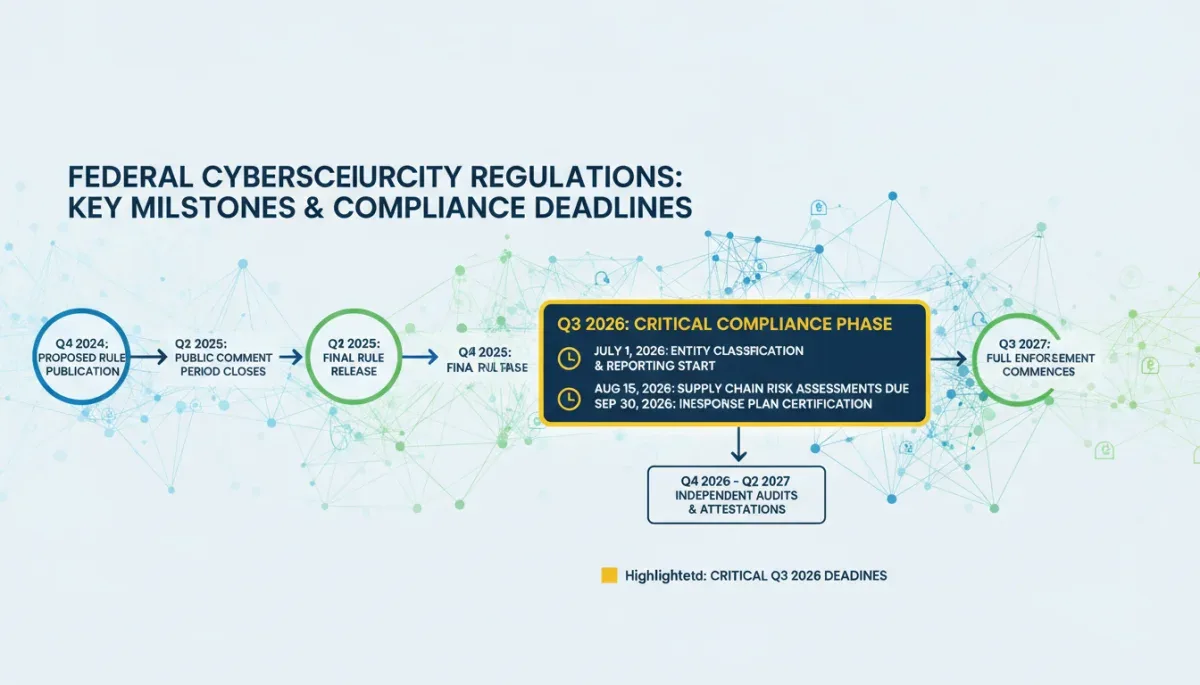
New federal cybersecurity regulations are poised to impact 15% of U.S. businesses by Q3 2026, necessitating proactive compliance measures and robust security frameworks.
Breaking: New Federal Cybersecurity Regulations Impacting 15% of U.S. Businesses by Q3 2026 are set to reshape the digital landscape for a significant portion of American enterprises. This impending shift demands immediate attention and strategic planning from affected organizations to ensure compliance and bolster their defenses against an ever-evolving threat landscape. Are you ready for the changes ahead?
Understanding the Scope of New Federal Cybersecurity Regulations
The introduction of new federal cybersecurity regulations marks a pivotal moment for businesses across the United States. These regulations are not merely an update but a comprehensive overhaul designed to fortify national digital infrastructure against sophisticated cyber threats. The primary goal is to establish a baseline of security practices that all covered entities must adhere to, fostering a more resilient and secure digital economy.
While the specifics are still being disseminated, early indications suggest a broad impact, particularly on critical infrastructure sectors, government contractors, and businesses handling sensitive consumer data. The regulations aim to standardize incident reporting, enhance data protection measures, and promote a culture of proactive cybersecurity management. This proactive stance is crucial in an era where cyberattacks are increasing in frequency and complexity, posing significant risks to economic stability and national security.
Advertisements
Key Sectors and Their Obligations
- Critical Infrastructure: Businesses in energy, water, transportation, and healthcare will face stringent requirements for operational technology (OT) and information technology (IT) security.
- Government Contractors: Companies working with federal agencies will need to demonstrate advanced cybersecurity maturity, often aligning with frameworks like NIST.
- Data-Intensive Industries: Financial services, tech companies, and any entity processing large volumes of personal data will see heightened demands for data encryption, privacy controls, and breach notification protocols.
These regulations are not a one-size-fits-all solution but rather a framework that will be tailored to specific industry needs, recognizing the unique challenges and vulnerabilities each sector faces. Businesses must identify their classification under these new rules to accurately assess their obligations and begin the necessary preparations.
In conclusion, understanding the true scope of these new regulations is the first critical step for businesses. It involves not only identifying whether an organization falls under the purview but also grasping the depth of changes required across technology, policy, and personnel.
Compliance Roadmaps: Navigating the Path to Q3 2026 Readiness
Achieving compliance with the upcoming federal cybersecurity regulations by Q3 2026 will require a structured and strategic approach. Businesses cannot afford to procrastinate; the complexity of implementing new security measures, updating policies, and training staff demands a well-defined roadmap. This roadmap should ideally commence with a thorough assessment of current cybersecurity posture against the anticipated regulatory requirements.
A gap analysis will be instrumental in identifying areas of non-compliance and prioritizing remediation efforts. This involves evaluating existing security controls, incident response plans, data governance policies, and employee training programs. Once gaps are identified, organizations can then develop a phased implementation plan, allocating resources effectively and setting realistic timelines for each stage of compliance. It's important to remember that compliance is an ongoing process, not a one-time event.
Essential Steps for Compliance
The journey to regulatory compliance is multifaceted, encompassing technical, procedural, and cultural shifts within an organization. A robust plan will integrate these elements holistically.
- Conduct a Comprehensive Risk Assessment: Identify critical assets, potential threats, and existing vulnerabilities. This forms the foundation for all subsequent security enhancements.
- Develop or Update Incident Response Plans: Ensure clear procedures for detecting, responding to, and recovering from cyber incidents, including mandatory reporting timelines.
- Implement Robust Access Controls: Strengthen authentication mechanisms, enforce least privilege principles, and regularly review user access to sensitive systems and data.
- Invest in Employee Training: Cybersecurity awareness training is paramount. Employees are often the first line of defense; their understanding of threats and best practices is crucial.
Successful navigation of these regulations hinges on proactive engagement and a commitment to continuous improvement. Businesses should also consider engaging third-party cybersecurity experts to provide an objective assessment and guide them through the compliance process, ensuring all aspects are thoroughly addressed.
Ultimately, a well-executed compliance roadmap will not only meet regulatory mandates but also significantly enhance an organization's overall cybersecurity resilience, protecting its assets and reputation.
Anticipated Challenges and Strategic Preparedness
The implementation of new federal cybersecurity regulations will undoubtedly present a range of challenges for businesses. One of the most significant hurdles will be the financial investment required to upgrade existing systems, acquire new technologies, and hire or train specialized cybersecurity personnel. Small and medium-sized businesses (SMBs) may find these costs particularly burdensome, necessitating government support or accessible compliance resources.
Another challenge lies in the complexity of interpreting and applying the regulations, which can be dense and require expert legal and technical understanding. Ensuring consistent interpretation across diverse industries and business models will be critical. Furthermore, the rapid evolution of cyber threats means that static compliance may not be sufficient; businesses will need to adopt agile security frameworks that can adapt to new vulnerabilities and attack vectors.
Mitigating Compliance Obstacles
Strategic preparedness involves more than just identifying challenges; it requires developing effective strategies to overcome them. Businesses that plan ahead will be better positioned to meet the Q3 2026 deadline without undue disruption.
- Budget Allocation for Cybersecurity: Proactively allocate funds for technology upgrades, training, and potential third-party consulting services.
- Legal and Technical Expertise: Engage legal counsel specializing in cybersecurity law and technical experts to interpret and implement regulatory requirements accurately.
- Leverage Cybersecurity Frameworks: Utilize established frameworks like NIST CSF or ISO 27001 as a guide to build a robust and adaptable security program.
- Foster a Culture of Security: Promote cybersecurity awareness and responsibility throughout the organization, from top leadership to entry-level employees.
The proactive adoption of robust cybersecurity practices, even before mandated, can significantly reduce the impact of these challenges. By viewing compliance as an opportunity to strengthen overall security rather than just a regulatory burden, businesses can transform potential obstacles into strategic advantages.
The Economic Impact of Enhanced Cybersecurity Standards
The new federal cybersecurity regulations are not just a matter of technical compliance; they carry significant economic implications for the U.S. business landscape. While there will be initial costs associated with implementation, the long-term benefits of enhanced cybersecurity standards are expected to outweigh these expenditures. A more secure digital environment can lead to increased consumer trust, reduced financial losses from breaches, and a stronger competitive position in the global market.
For businesses that successfully adapt, the new regulations could open doors to new opportunities, particularly in sectors that prioritize data security. Compliance could become a differentiator, attracting clients and partners who seek secure and reliable services. Conversely, non-compliance could lead to hefty fines, reputational damage, and loss of business, underscoring the economic imperative of adhering to these new standards.
The regulations are also likely to spur innovation within the cybersecurity industry, driving demand for new tools, services, and talent. This could create new jobs and foster economic growth in the tech sector, as companies strive to meet the evolving security needs of businesses.
Long-term Economic Benefits
- Reduced Breach Costs: Stronger defenses mean fewer successful attacks, leading to lower costs associated with data recovery, legal fees, and regulatory penalties.
- Increased Consumer Trust: Businesses demonstrating robust security can build greater trust with customers, leading to improved brand loyalty and market share.
- Competitive Advantage: Compliance can differentiate businesses in a crowded market, especially when dealing with sensitive data or critical operations.
- Innovation and Job Creation: Increased demand for cybersecurity solutions and expertise will stimulate growth in the tech sector.
While the initial economic impact might seem daunting, the long-term vision behind these regulations is to create a more secure and trustworthy digital ecosystem that benefits all stakeholders. Businesses that embrace these changes proactively are likely to reap the greatest economic rewards.
Protecting Sensitive Data: A Core Mandate
At the heart of the new federal cybersecurity regulations is a profound emphasis on protecting sensitive data. In an age where data is often considered the new oil, its safeguarding has become paramount for national security and economic stability. These regulations aim to establish a robust framework for data protection, covering everything from collection and storage to processing and transmission.

Businesses will be required to implement advanced encryption techniques, multi-factor authentication, and strict access controls to prevent unauthorized access to sensitive information. Furthermore, the regulations will likely mandate regular data audits and assessments to identify and mitigate potential vulnerabilities. The goal is to minimize the risk of data breaches, which can have devastating consequences for individuals and organizations alike.
Key Data Protection Requirements
The new mandates will necessitate a comprehensive approach to data security, moving beyond basic safeguards to more advanced, proactive measures.
- Advanced Encryption: Implementation of state-of-the-art encryption for data at rest and in transit.
- Multi-Factor Authentication (MFA): Mandatory MFA for accessing sensitive systems and data to prevent unauthorized logins.
- Data Loss Prevention (DLP) Solutions: Deployment of DLP tools to monitor and control data movement, preventing sensitive information from leaving secure environments.
- Regular Data Audits and Vulnerability Assessments: Continuous monitoring and assessment to identify and address data security weaknesses.
The focus on data protection reflects a growing recognition that strong cybersecurity is intrinsically linked to data privacy and integrity. By enforcing stricter data protection measures, the federal government seeks to build a more secure digital environment for all U.S. citizens and businesses.
Future Outlook: Continuous Evolution of Cybersecurity Landscape
The introduction of these new federal cybersecurity regulations by Q3 2026 is not an endpoint but rather a significant milestone in the continuous evolution of the cybersecurity landscape. As technology advances and cyber threats become more sophisticated, regulations will undoubtedly continue to adapt and expand. Businesses should view this as an ongoing commitment to security, rather than a one-time compliance exercise.
Future iterations of cybersecurity policy may focus on emerging technologies such as artificial intelligence, quantum computing, and the Internet of Things (IoT), addressing the unique security challenges they present. Collaboration between government, industry, and academia will be essential in developing effective strategies to stay ahead of malicious actors. This collaborative approach will ensure that regulations remain relevant and effective in a rapidly changing digital world.
Preparing for Future Cybersecurity Trends
- Embrace Adaptive Security Architectures: Design security systems that can evolve and respond to new threats and regulatory changes.
- Invest in Threat Intelligence: Stay informed about the latest cyber threats and vulnerabilities to proactively adjust security postures.
- Foster Public-Private Partnerships: Engage with government agencies and industry peers to share threat intelligence and best practices.
- Prioritize Cybersecurity Research and Development: Support innovation in cybersecurity to develop cutting-edge defenses and countermeasures.
The cybersecurity journey is dynamic, and businesses that adopt a forward-thinking approach will be best equipped to navigate future challenges. Continuous learning, adaptation, and investment in robust security practices will be the hallmarks of resilient organizations in the years to come.
| Key Point | Brief Description |
|---|---|
| Impact Scope | 15% of U.S. businesses, especially critical infrastructure and data handlers, affected by Q3 2026. |
| Compliance Roadmap | Requires gap analysis, incident response updates, access controls, and employee training. |
| Economic Implications | Initial costs offset by reduced breach expenses, increased trust, and market opportunities. |
| Data Protection Focus | Mandates advanced encryption, MFA, DLP, and regular audits for sensitive data. |
Frequently Asked Questions About Federal Cybersecurity Regulations
Which types of U.S. businesses will be most affected by these new regulations?▼Businesses operating in critical infrastructure sectors (e.g., energy, healthcare, finance), government contractors, and those handling large volumes of sensitive consumer data are expected to be most significantly impacted by the new federal cybersecurity regulations.
What is the primary deadline for businesses to achieve compliance?▼The primary deadline for a significant portion of U.S. businesses to be compliant with these new federal cybersecurity regulations is set for the third quarter of 2026 (Q3 2026). Proactive planning is highly recommended to meet this timeframe.
What are the potential consequences for non-compliance?▼Non-compliance can lead to severe penalties, including substantial financial fines, reputational damage, loss of business opportunities, and potential legal action. Adherence is crucial for maintaining operational integrity and market trust.
Will these regulations require new cybersecurity technologies?▼Many businesses will likely need to invest in new cybersecurity technologies, such as advanced encryption tools, multi-factor authentication systems, and data loss prevention solutions, to meet the heightened security standards mandated by the regulations.
How can small businesses prepare for these changes effectively?▼Small businesses should start by conducting a basic risk assessment, investing in employee cybersecurity training, and considering affordable, scalable security solutions. Seeking guidance from industry-specific resources or cybersecurity consultants can also be beneficial.
Conclusion
The upcoming federal cybersecurity regulations represent a critical juncture for U.S. businesses, signaling a nationwide commitment to strengthening digital defenses. While the path to compliance by Q3 2026 will demand significant effort and investment, the overarching goal is to cultivate a more resilient and secure digital ecosystem. Businesses that proactively embrace these changes will not only meet their regulatory obligations but also enhance their operational integrity, foster greater trust with their stakeholders, and ultimately secure their future in an increasingly interconnected world.