Smart Home Overload? Your 2026 Mindful Integration Checklist
Advertisements
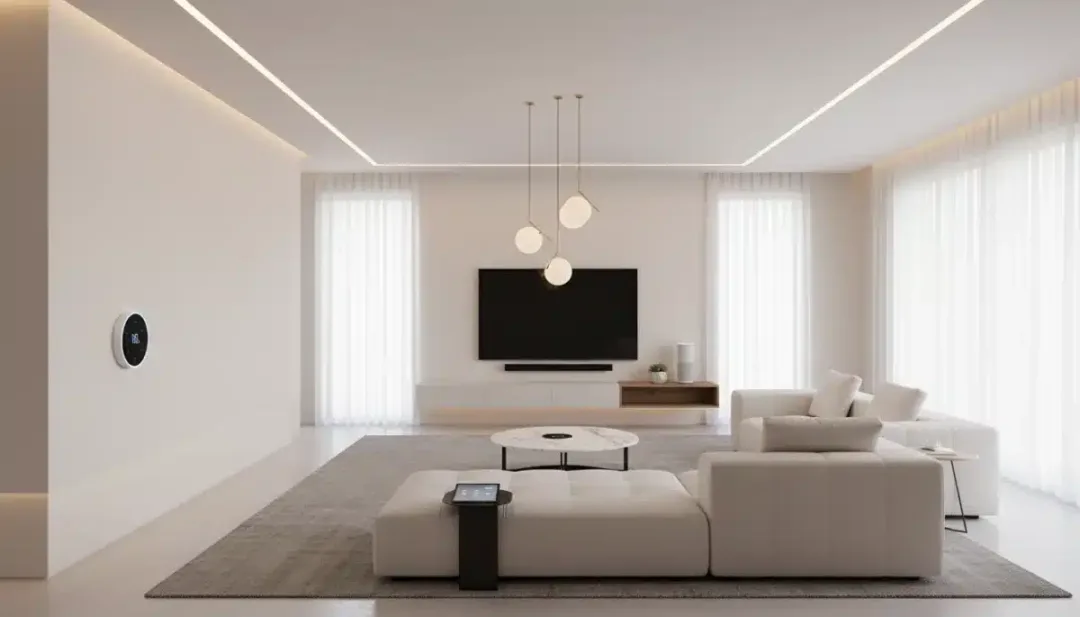
Implementing smart home technology effectively in 2026 necessitates a mindful integration strategy, ensuring convenience enhances daily life without compromising privacy or creating digital overload.
In an era where every appliance seemingly has an IQ, the question arises: Is Your Smart Home Too Smart? A 2026 Checklist for Mindful Device Integration. It’s a critical inquiry as we navigate the ever-evolving landscape of connected living, seeking to harness technology’s benefits without succumbing to its potential pitfalls.
Understanding the smart home landscape in 2026
The smart home ecosystem in 2026 is vastly more sophisticated and interconnected than even a few years ago. Devices now communicate seamlessly, often anticipating our needs before we even articulate them. This level of integration, while offering unparalleled convenience, also introduces new layers of complexity and potential challenges.
From smart thermostats that learn our preferences to security cameras with advanced AI, the options are extensive. The goal isn’t to reject these innovations but to approach their adoption with a clear strategy. Understanding the current technological capabilities and limitations is the first step toward mindful integration.
Advertisements
The evolution of smart home devices
- AI-driven automation: Devices now leverage advanced AI to learn routines and optimize settings, moving beyond simple programmed actions.
- Interoperability standards: Greater compatibility between brands and platforms simplifies setup and management, reducing fragmentation.
- Enhanced sensor technology: More accurate and diverse sensors allow for finer control and more responsive automation, from air quality monitoring to presence detection.
- Edge computing capabilities: Increased processing power on devices themselves means less reliance on cloud services, potentially improving speed and privacy.
The sheer volume of available smart devices can be overwhelming. Each promises to simplify life, yet without a mindful approach, they can inadvertently create more complexity. This section emphasizes the importance of staying informed about these advancements to make educated choices.
Navigating this complex environment requires more than just purchasing the latest gadget. It demands a thoughtful consideration of how each device fits into one’s lifestyle, its long-term implications, and its overall contribution to a truly intelligent, yet harmonious, living space. This foundational understanding is crucial before diving into specific integration strategies.
Assessing your needs: more than just convenience
Before adding another smart gadget to your home, it’s essential to pause and genuinely assess your needs. The allure of convenience often overshadows deeper considerations like privacy, security, and true utility. A mindful approach begins with asking critical questions about what you truly seek to achieve with smart technology.
This assessment goes beyond basic functionality. It delves into how a device will integrate into your daily routines, whether it solves a genuine problem, and if its benefits outweigh any potential drawbacks. Unnecessary devices can lead to digital clutter and diminish the overall smart home experience.
Defining your smart home priorities
- Energy efficiency: Do you prioritize reducing your carbon footprint and utility bills through smart energy management?
- Security and safety: Is your primary concern enhancing home protection with smart locks, cameras, and alarm systems?
- Accessibility and comfort: Are you looking to improve ease of living, perhaps for family members with specific needs, or simply to elevate daily comfort?
- Entertainment and productivity: Do you aim to streamline media consumption or create a more efficient work-from-home environment?
Each priority will guide your purchasing decisions and integration strategies. For instance, focusing on security might lead you to invest in a robust, integrated security system rather than disparate smart locks and cameras. Conversely, an emphasis on comfort might prioritize smart lighting and climate control.
It’s easy to get caught up in the marketing hype surrounding new smart devices. However, a truly mindful integration means making choices that align with your personal values and practical requirements. This pre-purchase evaluation is a cornerstone of preventing smart home overload, ensuring each addition serves a purpose beyond novelty.
Privacy and data security: the invisible smart home residents
In 2026, privacy and data security are no longer optional considerations but fundamental pillars of any responsible smart home setup. Every connected device collects data, from your daily routines to your preferences and even your conversations. Understanding who has access to this data and how it’s protected is paramount to mindful integration.
The invisible residents of your smart home are the data streams constantly flowing between your devices, manufacturers, and sometimes, third-party services. Safeguarding this information is crucial for maintaining personal autonomy and preventing potential misuse.
Key privacy and security considerations
- Understanding data collection: Review privacy policies to know what data is collected, how it’s used, and if it’s shared with third parties.
- Strong authentication: Use unique, complex passwords for all devices and accounts, enabling two-factor authentication whenever possible.
- Network segmentation: Consider creating a separate Wi-Fi network for your smart devices to isolate them from your primary personal network.
- Regular updates: Keep all device firmware and apps updated to patch security vulnerabilities promptly.
The responsibility for data security often falls on the user. While manufacturers have a role, proactive measures on your part are indispensable. This includes being vigilant about new security threats and understanding the implications of granting permissions to smart home applications.
Mindful device integration means not just enjoying the benefits of technology, but also actively managing its risks. Prioritizing privacy and security ensures that your smart home remains a sanctuary, rather than a data harvesting ground. This proactive stance is essential for a truly secure and comfortable connected living experience.
Interoperability and ecosystem planning
The fragmented nature of early smart home technology has largely given way to more unified ecosystems in 2026, but careful planning is still vital. Choosing devices that work well together, ideally within a cohesive ecosystem, prevents frustration and maximizes the benefits of automation. A truly smart home is one where devices communicate seamlessly, not in isolated silos.
Thinking about interoperability from the outset can save significant headaches down the line. It’s about building a harmonious technological environment where every component contributes to the overall intelligence of your home, rather than creating a collection of disparate gadgets.
Building a cohesive smart home ecosystem
- Choose a central hub: Select a primary smart home hub (e.g., Apple HomeKit, Google Home, Amazon Alexa, Samsung SmartThings) and prioritize devices compatible with it.
- Open standards: Look for devices that support open standards like Matter or Thread, which promise greater cross-platform compatibility.
- Device compatibility checks: Always verify device compatibility with your existing setup before purchasing, reading reviews and specifications carefully.
- Phased integration: Instead of buying everything at once, integrate devices in phases to test compatibility and functionality incrementally.
A well-planned ecosystem allows for complex automations and routines, making your smart home truly intelligent. Imagine your smart lights dimming as your smart TV turns on, or your thermostat adjusting when your smart door lock detects you’ve left the house. These scenarios are only possible with strong interoperability.
Mindful integration in this context means making strategic choices about platforms and standards. It ensures that your smart devices work together as a symphony, rather than a cacophony, enhancing your daily life with elegant and reliable automation.
Digital well-being: avoiding smart home fatigue
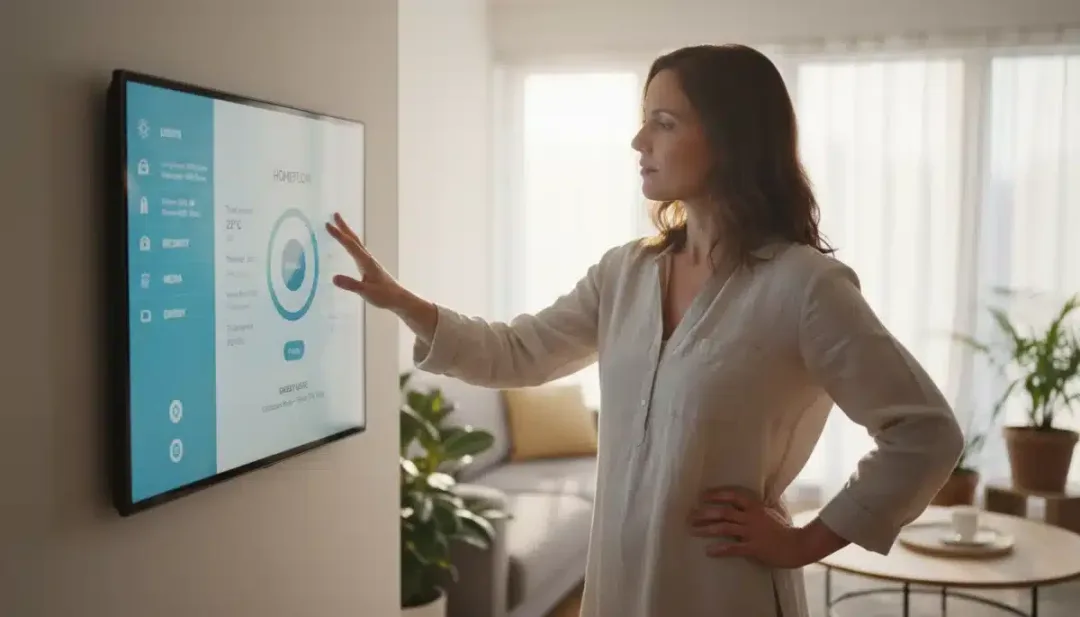
While smart homes promise to simplify life, an overabundance of devices and constant notifications can ironically lead to digital fatigue and increased stress. Mindful device integration in 2026 includes prioritizing your digital well-being, ensuring that technology serves you, rather than becoming a source of constant distraction or overwhelm.
This aspect of mindful integration recognizes that more technology isn’t always better. It’s about finding the right balance, optimizing your smart home for comfort and convenience without sacrificing peace of mind. Setting boundaries and managing interactions with your devices are key to achieving this equilibrium.
Strategies for maintaining digital well-being
- Notification management: Customize notification settings to receive only essential alerts, reducing unnecessary interruptions.
- Scheduled downtime: Implement routines that automatically dim lights, reduce device activity, or activate ‘do not disturb’ modes during evenings or specific periods.
- Conscious interaction: Avoid passive engagement; intentionally use smart features rather than letting them constantly run in the background without purpose.
- Regular audits: Periodically review your smart devices and automations, removing those that no longer serve a purpose or contribute to digital overload.
The goal is to create a smart home that enhances relaxation and focus, rather than detracting from it. This might mean choosing to manually control some aspects, even if automation is available, simply to maintain a sense of control and reduce digital dependency.
Ultimately, a mindful approach to smart home technology means curating an environment that supports your mental and emotional health. It’s about leveraging technology’s power to create a calmer, more intentional living space, free from the constant demands of an overconnected world.
Future-proofing your smart home investments
Investing in smart home technology in 2026 requires an eye toward the future. The pace of innovation is rapid, and what’s cutting-edge today can be obsolete tomorrow. Mindful integration includes making choices that offer longevity, adaptability, and the potential for future upgrades, protecting your investments from rapid obsolescence.
This isn’t just about buying the most expensive device; it’s about selecting products and platforms that are likely to be supported for years to come, with a clear upgrade path. A smart home should evolve with you, not require a complete overhaul every few years.
Ensuring longevity and adaptability
- Reputable brands: Prioritize established brands known for long-term support, regular software updates, and robust security practices.
- Open standards: Continue to favor devices that support universal communication protocols, ensuring compatibility with future technologies.
- Modular design: Opt for systems that allow for easy expansion and modification, rather than proprietary, closed ecosystems.
- Cloud dependence: Consider the level of cloud dependence. Devices with more local processing can be less vulnerable to service shutdowns or internet outages.
Future-proofing also involves understanding the warranty and support policies of manufacturers. A device is only as good as the support it receives. This forward-thinking approach ensures that your smart home remains functional and relevant as technology continues to advance.
Mindful integration, therefore, extends beyond the initial setup. It encompasses a strategy for sustained utility and value, allowing your smart home to grow and adapt alongside your needs without constant, costly replacements. This strategic planning is a hallmark of a truly intelligent and sustainable connected home.
| Key Aspect | Mindful Integration Strategy |
|---|---|
| Needs Assessment | Evaluate genuine utility and alignment with personal priorities before purchasing any smart device. |
| Privacy & Security | Understand data collection, use strong passwords, enable 2FA, and keep software updated. |
| Interoperability | Plan for device compatibility within a chosen ecosystem, favoring open standards like Matter. |
| Digital Well-being | Manage notifications, schedule downtime, and consciously interact to prevent smart home fatigue. |
Frequently asked questions about mindful smart home integration
How can I start integrating smart devices mindfully?▼Begin by assessing your specific needs and priorities, focusing on areas where smart tech genuinely solves a problem or adds significant value. Start small with one or two devices, learn their functionality, and expand gradually based on your experience and comfort level.
What are the biggest privacy concerns with smart home devices?▼Primary concerns include data collection practices by manufacturers, potential for unauthorized access to personal information, and the use of voice recordings or video feeds. Always review privacy policies and use strong security measures like unique passwords and two-factor authentication.
How important is interoperability for a mindful smart home?▼Interoperability is crucial. Devices that communicate seamlessly create a cohesive and efficient smart home. Choosing products compatible with a single ecosystem or open standards like Matter prevents fragmentation, reduces frustration, and allows for more complex, beneficial automations.
Can smart home technology negatively impact digital well-being?▼Yes, an excessive number of devices, constant notifications, or overly complex automations can lead to digital fatigue and stress. Mindful integration involves managing these aspects, setting boundaries, and ensuring technology enhances, rather than detracts from, your peace of mind.
What does it mean to future-proof smart home investments?▼Future-proofing means selecting devices and platforms that are likely to remain relevant and supported over time. This involves choosing reputable brands, favoring open standards, opting for modular designs, and considering devices with less reliance on proprietary cloud services for long-term usability.
Conclusion
The journey toward a truly intelligent home in 2026 is not about accumulating the most devices, but about thoughtful, strategic integration. By mindfully assessing needs, prioritizing privacy and security, planning for interoperability, safeguarding digital well-being, and future-proofing investments, you can create a smart home that genuinely enhances your life. This checklist serves as a guide to navigating the complexities of modern home automation, ensuring your connected living space is both advanced and harmonious, truly serving your lifestyle without overwhelming it. The ultimate goal is a smart home that works for you, intelligently and subtly, allowing you to enjoy the benefits of technology without its potential drawbacks.