Social Media & Mental Health: Expert Tips for US Users
Advertisements
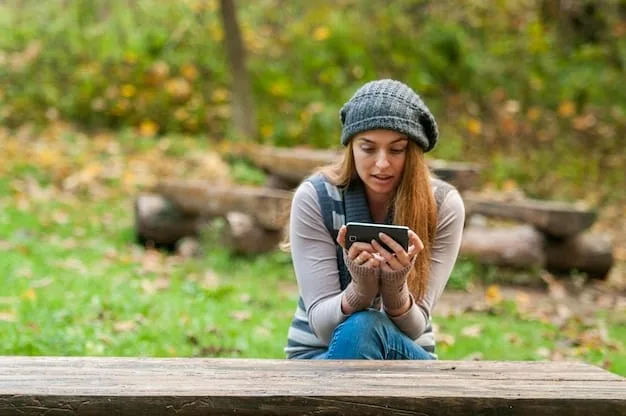
Understanding the impact of social media on mental well-being is crucial, especially for US users navigating its pervasive influence, with experts offering insights and practical tips to foster healthier online habits.
The digital age has connected us in unprecedented ways, yet the constant connectivity of social media platforms has also sparked concerns regarding its impact on mental well-being. For US users immersed in this online world, understanding the effects of social media is paramount. This article delves into the impact of social media on mental well-being: expert insights and practical tips for US users, offering guidance on how to navigate the digital landscape while safeguarding your mental health.
Understanding the Link Between Social Media and Mental Health
Social media has become an integral part of our daily lives, particularly for US users. While it offers numerous benefits, such as connecting with loved ones and accessing information, it also presents potential risks to our mental health. Understanding this connection is crucial for mitigating negative impacts and fostering a healthier relationship with social media.
The Comparison Trap
One of the most significant impacts of social media on mental health is the tendency for users to compare themselves to others. Social media often presents a curated version of reality, where people showcase their best moments, achievements, and appearances. This can lead to feelings of inadequacy, low self-esteem, and envy, especially among young adults and teenagers.
Advertisements
Fear of Missing Out (FOMO)
The constant stream of updates and events on social media can trigger a phenomenon known as Fear of Missing Out (FOMO). FOMO is the feeling that others are having more rewarding or enjoyable experiences than you are, leading to anxiety, stress, and a constant need to stay connected. This can be particularly prevalent among US users who heavily rely on social media for social interaction and validation.

- Acknowledge the Reality Gap: Recognize that social media rarely portrays the full picture of someone’s life.
- Focus on Your Own Journey: Shift your attention to your own goals, achievements, and personal growth.
- Practice Gratitude: Regularly reflect on the positive aspects of your life and express gratitude for what you have.
The comparison trap and FOMO are significant contributors to the negative impact of social media on mental health. By understanding these dynamics and implementing strategies to counter them, US users can cultivate a healthier relationship with social media and protect their mental well-being.
Anxiety and Depression: The Social Media Connection
Research has increasingly linked social media usage to increased rates of anxiety and depression, particularly among young adults in the US. The constant exposure to curated content, cyberbullying, and the pressure to maintain an online persona can contribute to feelings of unease, sadness, and hopelessness. Understanding these connections is vital for addressing the mental health challenges associated with social media.
Cyberbullying and Online Harassment
Social media platforms, while connecting people, can also become breeding grounds for cyberbullying and online harassment. US users, particularly teenagers and young adults, are vulnerable to this online abuse, which can take various forms, including insults, threats, and the spreading of rumors. Cyberbullying can have devastating effects on mental health, leading to anxiety, depression, and even suicidal thoughts.
The Impact of Online Validation
Social media platforms often rely on metrics like likes, comments, and shares to measure popularity and success. This can create a pressure to seek external validation through online interactions, leading to feelings of anxiety and inadequacy when users don’t receive the desired level of engagement. This constant need for validation can be particularly harmful to self-esteem and mental well-being for US users.

- Limit Exposure to Negative Content: Unfollow or mute accounts that promote negativity or engage in cyberbullying.
- Seek Support: Talk to trusted friends, family members, or mental health professionals about your experiences with cyberbullying.
- Prioritize Offline Connections: Cultivate meaningful relationships in the real world to foster a sense of belonging and support.
The connections between anxiety, depression, and social media usage are becoming increasingly clear. By understanding these links and taking steps to mitigate the negative impacts, US users can protect their mental health and cultivate a healthier relationship with the online world.
Expert Insights on Healthy Social Media Usage
Mental health professionals and technology experts offer valuable insights on how to use social media in a healthy and balanced way. By implementing these strategies, US users can minimize the negative impacts of social media while still enjoying its benefits.
Mindful Consumption
One of the key principles of healthy social media usage is mindful consumption. This involves being aware of the content you’re consuming and its impact on your mood and emotions. US users should actively curate their feeds to prioritize positive and uplifting content while minimizing exposure to negativity and comparison.
Setting Boundaries
Setting boundaries is essential for maintaining a healthy relationship with social media. This involves limiting the amount of time you spend on social media platforms, establishing specific times for checking your accounts, and avoiding social media use before bed or during mealtimes. US users can benefit from using built-in app timers or third-party apps to track and limit their social media usage.
Mindful consumption and setting boundaries are two key strategies for promoting healthy social media usage. By implementing these practices, US users can take control of their online experiences and minimize the potential negative impacts on their mental well-being.
Practical Tips for US Users: Taking Control of Your Online Experience
Beyond expert advice, there are several practical steps that US users can take to regain control of their online experience and protect their mental well-being. These tips focus on actively managing your social media usage, cultivating offline activities, and fostering a positive online environment.
Curate Your Feed
Take the time to curate your social media feeds by unfollowing accounts that make you feel inadequate or promote negativity. Instead, follow accounts that inspire you, share positive content, or provide educational resources. Actively managing your feed can significantly improve your online experience and protect your mental health.
Engage in Offline Activities
Balance your online activities with offline pursuits that bring you joy and fulfillment. This could involve spending time with loved ones, pursuing hobbies, exercising, or simply enjoying nature. Engaging in offline activities can help you disconnect from the digital world and reduce the pressure to constantly stay connected.
Create a Positive Online Environment
Be mindful of the content you share and the interactions you engage in online. Promote positivity, support others, and avoid getting drawn into online arguments or negativity. By contributing to a positive online environment, you can help create a safer and more supportive space for everyone.
The Role of Digital Detox: Disconnecting to Reconnect
In today’s hyper-connected world, taking a break from social media and digital devices can be incredibly beneficial for mental health. A digital detox involves intentionally disconnecting from technology for a period of time to recharge, reconnect with yourself, and prioritize your well-being. For US users, incorporating regular digital detoxes into their routine can be a powerful tool for managing the impact of social media on their mental health.
Recognizing the Need for a Break
It’s essential to recognize when you need a digital detox. Signs that you might benefit from disconnecting include feeling overwhelmed by social media, experiencing increased anxiety or stress, struggling to focus on tasks, or feeling disconnected from your offline life. Paying attention to these warning signs can help you proactively address the potential negative impacts of social media.
Planning Your Digital Detox
When planning a digital detox, consider the duration and scope of your break. You might choose to disconnect for a few hours, an entire day, or even a week. Decide which devices and platforms you’ll be abstaining from and communicate your plans to friends and family so they understand your temporary unavailability. Planning ahead can increase your chances of successfully completing your digital detox.
Reconnecting with Intention
After your digital detox, reconnect with technology mindfully. Be intentional about the content you consume, the interactions you engage in, and the amount of time you spend online. Use your detox experience to inform a more balanced and healthy relationship with social media and technology in the long run.
Seeking Professional Help: When to Consult a Mental Health Expert
While the tips and strategies discussed can be helpful for managing the impact of social media on mental health, it’s essential to recognize when professional help is needed. If you’re experiencing persistent anxiety, depression, or other mental health concerns related to social media, consulting a mental health expert is crucial. They can provide personalized guidance, therapy, and support to help you address these challenges effectively.
Recognizing the Signs
Pay attention to the signs that indicate you might need professional help. These signs include persistent feelings of sadness or hopelessness, difficulty concentrating, changes in sleep or appetite, loss of interest in activities you once enjoyed, and thoughts of self-harm. Don’t hesitate to reach out for help if you’re experiencing any of these symptoms.
Finding a Mental Health Professional
There are numerous resources available to help you find a qualified mental health professional in the US. Your primary care physician can provide referrals, or you can search online directories like the American Psychological Association or the National Alliance on Mental Illness. Look for a therapist who specializes in treating anxiety, depression, or other mental health concerns related to social media use.
| Key Point | Brief Description |
|---|---|
| 📱 Comparison Trap | Constant comparison on social media leads to low self-esteem and inadequacy. |
| 😨 FOMO | Fear of Missing Out increases anxiety and the need for constant connectivity. |
| 🛡️ Setting Boundaries | Limiting social media time improves mental health and reduces dependency. |
| 🧘 Digital Detox | Disconnecting from devices helps recharge and reconnect with offline life. |
Frequently Asked Questions
How does social media contribute to anxiety?▼
Social media can lead to anxiety through constant comparisons, cyberbullying, and the pressure to seek online validation, increasing feelings of inadequacy and stress.
What are some practical tips for healthy social media use?▼
Curate your feed, set time limits, engage in offline activities, and be mindful of your content consumption to promote a positive online experience and protect your mental health.
How can I recognize if I need a digital detox?▼
Signs include feeling overwhelmed by social media, increased anxiety or stress, difficulty focusing, and feeling disconnected from your offline life, indicating a need for a break.
When should I seek professional help for social media-related mental health concerns?▼
If you experience persistent sadness, hopelessness, difficulty concentrating, or thoughts of self-harm, consulting a mental health expert is crucial for personalized guidance and support.
What’s the comparison trap, and how can I avoid it?▼
The comparison trap is the tendency to compare yourself to others on social media. Avoid it by focusing on your own journey, practicing gratitude, and acknowledging the reality gap in online profiles.
Conclusion
Navigating the digital age requires a mindful approach to social media usage. By understanding the potential impacts on mental well-being and implementing expert insights and practical tips, US users can foster a healthier relationship with social media and prioritize their overall mental health.
Read more content