Social Media & Mental Health: US Users’ Guide to Well-being
Advertisements
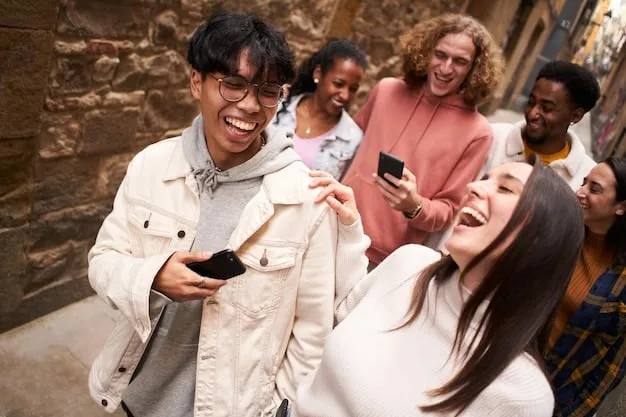
The impact of social media on mental well-being: expert insights and practical tips for US users is significant, with both positive and negative effects, requiring mindful engagement and strategies for healthy digital habits.
The impact of social media on mental well-being: expert insights and practical tips for US users are essential in today’s digital age, where constant connectivity shapes our lives. Navigating this landscape requires understanding the potential pitfalls and adopting strategies for a healthier online experience.
Understanding Social Media’s Dual Impact on Mental Health
Social media has become an integral part of daily life, particularly for US users. While it offers numerous benefits, understanding its dual impact on mental health is crucial. Recognizing both the positive and negative influences allows for a more balanced and mindful approach to social media usage.
The Positive Aspects of Social Media
Social media’s positive impact includes fostering connections, providing access to information, and enabling social movements. These benefits can enhance mental well-being when used intentionally and moderately.
Advertisements
- Building Communities: Social media platforms connect individuals with shared interests, creating supportive online communities.
- Access to Information: Users can access valuable resources, educational content, and mental health support groups.
- Enabling Social Change: Social media facilitates awareness and activism, empowering individuals to support causes they believe in.
These positive aspects highlight social media’s potential to improve mental well-being by fostering connections, providing access to information, and enabling social movements.
The Negative Aspects of Social Media
Conversely, social media can negatively impact mental health through cyberbullying, social comparison, and addiction. Recognizing these risks and implementing strategies to mitigate them is vital for maintaining a healthy mindset.
- Cyberbullying: Online harassment can lead to anxiety, depression, and feelings of isolation.
- Social Comparison: The curated nature of online profiles can lead to feelings of inadequacy and low self-esteem.
- Addiction: Excessive social media use can lead to anxiety, sleep disturbances, and decreased productivity.
In conclusion, it is imperative to recognize both the positive and negative influences of social media on mental health to adopt strategies for balanced usage.
Expert Insights on Social Media and Mental Well-being
Experts in mental health have extensively researched the impact of social media. Their insights offer a deeper understanding of how these platforms affect our psychological state and provide guidance on fostering a healthier relationship with social media.
Mental health professionals emphasize that social media’s impact varies significantly from person to person. Factors such as pre-existing mental health conditions, coping mechanisms, and social support systems play a crucial role in determining how individuals are affected.
Research Findings on Social Media’s Psychological Effects
Studies have shown that excessive social media use correlates with increased rates of depression, anxiety, and loneliness. Understanding the key factors contributing to these issues is crucial.
Research suggests that the constant exposure to filtered and curated content can lead to feelings of inadequacy and social comparison. Additionally, the addictive nature of social media platforms can disrupt sleep patterns and decrease overall life satisfaction.
The Role of Social Comparison
Social comparison is a significant factor in the negative psychological effects of social media. The tendency to compare oneself to others, especially those who present idealized versions of themselves, can lead to feelings of envy, low self-esteem, and dissatisfaction.
Experts recommend practicing self-compassion and focusing on personal achievements rather than comparing oneself to others online. It’s essential to remember that social media profiles often do not reflect reality and are carefully curated to present a specific image.
Expert insights highlight the importance of mindful engagement with social media and awareness of its potential psychological effects.
Practical Tips for Maintaining Mental Well-being While Using Social Media
Maintaining mental well-being while using social media requires a proactive and mindful approach. By implementing practical tips and strategies, US users can mitigate the negative impacts and foster a healthier online experience.
Creating healthy digital habits involves setting boundaries, being selective about content consumed, and prioritizing real-life connections. These practices can significantly improve mental well-being and overall life satisfaction.
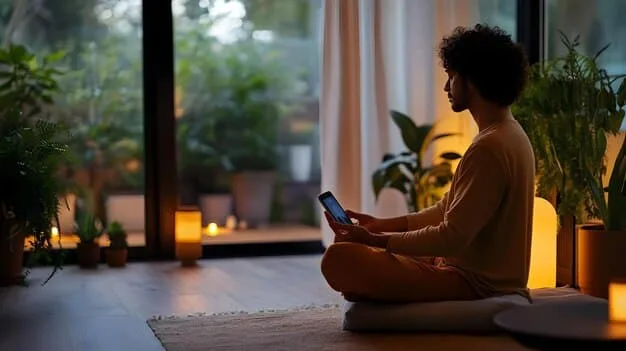
Setting Boundaries and Limiting Screen Time
One of the most effective strategies for maintaining mental well-being is setting strict boundaries for social media use. Limiting screen time can reduce exposure to negative content and allow for more time spent on activities that promote mental health.
- Use App Timers: Utilize built-in app timers to limit daily social media usage.
- Designated Tech-Free Times: Designate specific times of the day or week when social media is off-limits.
- Create Tech-Free Zones: Establish tech-free zones, such as the bedroom, to encourage better sleep habits.
Setting boundaries and limiting screen time can substantially improve mental health by reducing exposure to negative content and promoting healthier habits.
Mindful Content Consumption
Being selective about the content consumed on social media is crucial for maintaining a positive mindset. Unfollowing accounts that trigger negative emotions and focusing on uplifting content can improve mental well-being.
- Unfollow Triggering Accounts: Identify and unfollow accounts that evoke feelings of inadequacy, envy, or anxiety.
- Curate Your Feed: Prioritize content that is informative, inspiring, and uplifting.
- Engage Positively: Focus on engaging in positive interactions and contributing to supportive online communities.
Mindful content consumption helps to create a more positive and supportive online environment, promoting better mental health.
By implementing these strategies, US users can cultivate healthier digital habits and improve their overall mental well-being.
The Importance of Digital Detox and Real-Life Connections
In a world dominated by screens, the importance of digital detox and real-life connections cannot be overstated. Taking breaks from social media and nurturing offline relationships are essential for maintaining mental well-being.
Disconnecting from the digital world provides an opportunity to reconnect with oneself and others, fostering a sense of balance and perspective. Prioritizing real-life interactions can enhance feelings of belonging and reduce the sense of isolation that often accompanies excessive social media use.
Planning a Digital Detox
A digital detox involves intentionally disconnecting from electronic devices and social media platforms for a set period. This allows individuals to recharge, reduce stress, and regain a sense of perspective.
To plan a successful digital detox, start by setting clear goals, such as reducing screen time or focusing on specific offline activities. Communicate this decision to friends and family to avoid feeling pressured to stay connected. Engage in activities that bring joy and relaxation, such as spending time in nature, reading, or pursuing hobbies.
Nurturing Real-Life Relationships
Nurturing real-life relationships is crucial for maintaining a strong social support system. Spending quality time with friends and family can provide emotional support, reduce stress, and improve overall mental health.
Make an effort to schedule regular in-person interactions with loved ones. Engage in meaningful conversations, participate in shared activities, and offer support and encouragement. Building strong offline connections can significantly enhance feelings of belonging and reduce the sense of isolation that often accompanies excessive social media use.
Integrating digital detox into life offers an invaluable break from technology and promoting stronger real-world ties.
Building a Healthy Online Identity and Self-Esteem
Maintaining a healthy online identity and self-esteem is critical in today’s digital age. Developing a strong sense of self and understanding the difference between online perception and reality can help mitigate the negative impacts of social media.
Cultivating self-compassion, practicing authenticity, and setting realistic expectations are essential for building a resilient online identity. These practices empower individuals to navigate the digital landscape with confidence and self-assurance.
Cultivating Self-Compassion
Self-compassion involves treating oneself with kindness, understanding, and acceptance, especially during moments of perceived failure or inadequacy. Cultivating self-compassion can help mitigate the negative effects of social comparison and promote a more positive self-image.
Practice self-compassion by acknowledging personal imperfections, recognizing shared human experiences, and offering oneself the same kindness and support that one would offer to a friend. Engage in activities that promote self-care, such as exercise, meditation, or spending time in nature. By cultivating self-compassion, individuals can build a stronger sense of self-worth and resilience.
Practicing Authenticity Online
Authenticity involves being true to oneself and expressing genuine thoughts and feelings online. Practicing authenticity can help build meaningful connections, foster self-acceptance, and reduce the pressure to conform to unrealistic standards.
Share personal stories, express opinions openly, and engage in honest and respectful communication with others. Avoid pretending to be someone you’re not and focus on presenting a genuine and authentic version of yourself. By practicing authenticity, individuals can create a more fulfilling and meaningful online experience.
Fostering self-compassion and projecting an authentic online image are steps towards a healthier digital lifestyle.
Resources and Support for Mental Well-being in the US
Numerous resources and support systems are available for US users seeking to improve their mental well-being. Knowing where to turn for help and support is essential for navigating the challenges of social media and maintaining a healthy mindset.
Mental health organizations, online support groups, and professional counseling services offer valuable resources and guidance for individuals struggling with the negative impacts of social media. Taking advantage of these resources can provide the support needed to foster a healthier relationship with technology.
Mental Health Organizations
Several reputable mental health organizations operate in the US, offering a wide range of services and resources for individuals and families. These organizations provide information, support, and advocacy for mental health issues.
- National Alliance on Mental Illness (NAMI): NAMI offers support groups, educational programs, and advocacy efforts for individuals and families affected by mental illness.
- Mental Health America (MHA): MHA provides resources, advocacy, and support for mental health issues, focusing on early intervention and prevention.
- The Trevor Project: The Trevor Project offers crisis intervention and suicide prevention services for LGBTQ young people.
Mental health organizations offer invaluable assistance by providing resources and creating support networks.
Online Support Groups and Counseling Services
Online support groups and counseling services offer convenient and accessible ways to connect with others and receive professional guidance. These resources can provide a safe and supportive environment for discussing challenges and developing coping strategies.
- Online Therapy Platforms: Platforms like Talkspace and BetterHelp offer online therapy sessions with licensed mental health professionals.
- Support Group Forums: Online forums provide a space for individuals to share their experiences, offer support, and connect with others facing similar challenges.
- Mental Health Apps: Apps like Headspace and Calm offer guided meditation and mindfulness exercises to help manage stress and anxiety.
In conclusion, knowing available resources and seeking appropriate assistance can significantly improve mental health and promote a healthier relationship with social media.
| Key Point | Brief Description |
|---|---|
| 📱 Social Media’s Impact | Understanding both the positive and negative effects on mental health. |
| ⏰ Setting Boundaries | Limiting screen time and establishing tech-free zones. |
| 🌱 Mindful Consumption | Being selective about the content you engage with online. |
| 🧘 Digital Detox | Taking breaks from digital devices to recharge and reconnect. |
Frequently Asked Questions
How does social media affect teenagers’ mental health?▼Social media can impact teenagers by influencing self-esteem through social comparison, potentially leading to anxiety and depression. Cyberbullying is also a significant risk, affecting their emotional well-being.
What are some signs of social media addiction?▼Signs include spending excessive time online, neglecting responsibilities, experiencing withdrawal symptoms when unable to access social media, and prioritizing online interactions over real-life connections.
How can I improve my self-esteem while using social media?▼Practice self-compassion, cultivate authenticity by being true to yourself, and unfollow accounts that trigger negative emotions. Focus on your personal achievements and values rather than comparing yourself to others.
Are there benefits to using social media for mental health?▼Yes, social media can provide access to support groups, mental health resources, and educational content. It can also foster connections with like-minded individuals, creating a sense of community and belonging.
What should I do if I’m being cyberbullied?▼Document the harassment, block the bully, and report the behavior to the social media platform. Seek support from friends, family, or a trusted adult. Consider involving law enforcement if the harassment escalates.
Conclusion
In conclusion, awareness surrounding the impact of social media on mental well-being: expert insights and practical tips for US users is critical for navigating the digital landscape effectively. By understanding the dual impacts of these platforms, implementing practical strategies, and seeking appropriate support, US users can prioritize their mental well-being and foster a healthier relationship with social media.
Read more content