Stress Reduction Science: Lower Cortisol 18% Annually
Advertisements

Understanding and implementing evidence-based stress reduction techniques can lead to a significant decrease in cortisol levels, with studies indicating an average annual reduction of 18%.
In our fast-paced modern world, stress has become an unwelcome constant for many. However, understanding The Science of Stress Reduction: 5 Evidence-Based Techniques to Lower Cortisol by 18% Annually offers a beacon of hope. This article delves into practical, scientifically validated methods designed to mitigate the physiological impact of stress, specifically targeting the reduction of cortisol, often known as the ‘stress hormone’.
Understanding Cortisol and Its Impact on Health
Cortisol, a glucocorticoid hormone produced by the adrenal glands, plays a vital role in the body’s stress response. While essential for survival in acute situations, chronically elevated cortisol levels can have detrimental effects on nearly every system in the body. From disrupting sleep patterns to impairing immune function, its pervasive influence underscores the importance of effective stress management.
When the body perceives a threat, whether real or imagined, the hypothalamic-pituitary-adrenal (HPA) axis activates, leading to a surge in cortisol. This response is designed to provide a burst of energy and heightened awareness, helping us confront or escape danger. However, in contemporary life, stressors are often psychological and prolonged, keeping the HPA axis in overdrive and cortisol levels persistently high.
Advertisements
The Health Consequences of Chronic High Cortisol
Sustained high cortisol can manifest in various health issues. It can contribute to weight gain, particularly around the abdomen, due to its role in fat and carbohydrate metabolism. Furthermore, it can suppress the immune system, making individuals more susceptible to infections and slower wound healing. Cognitive functions, such as memory and concentration, can also be negatively impacted, leading to feelings of ‘brain fog’.
- Weight Gain: Increased abdominal fat and altered metabolism.
- Immune Suppression: Higher susceptibility to illness and slower recovery.
- Cognitive Impairment: Difficulty with memory, focus, and decision-making.
- Sleep Disturbances: Disrupted sleep cycles and insomnia.
- Mood Disorders: Increased risk of anxiety and depression.
Recognizing the profound effects of cortisol on overall health is the first step toward proactive stress reduction. By understanding how this hormone operates, we can better appreciate the value of incorporating evidence-based strategies into our daily lives to foster long-term well-being and resilience against the pervasive nature of stress.
Mindfulness Meditation: Cultivating Calm and Reducing Cortisol
Mindfulness meditation has emerged as a powerful tool in the arsenal against chronic stress, with a growing body of research supporting its efficacy in lowering cortisol levels. This practice involves focusing on the present moment, observing thoughts and sensations without judgment, and cultivating a sense of calm awareness. Regular mindfulness practice can reframe how the brain responds to stress, dampening the HPA axis activity.
The practice doesn’t require hours of dedicated time; even short, consistent sessions can yield significant benefits. Many guided meditations are available, making it accessible for beginners to integrate into their routine. The key is consistency, allowing the brain to gradually adapt to a more peaceful state, even amidst daily challenges.
How Mindfulness Impacts the Brain
Neuroscientific studies show that mindfulness meditation can lead to structural and functional changes in the brain. It can increase gray matter in areas associated with self-awareness, compassion, and introspection, while decreasing activity in the amygdala, the brain’s fear center. This recalibration helps individuals respond to stressors with greater equanimity, rather than immediate reactivity.
- Reduced Amygdala Activity: Less reactivity to perceived threats.
- Increased Prefrontal Cortex Activity: Enhanced emotional regulation and decision-making.
- Improved Connectivity: Better communication between brain regions involved in attention and emotional control.
- Lower Cortisol Response: Direct physiological reduction in stress hormone levels.
By regularly engaging in mindfulness meditation, individuals can effectively train their minds to navigate the complexities of life with less physiological distress. This practice not only reduces existing cortisol but also builds resilience against future stressors, contributing to a sustained sense of well-being and a healthier hormonal balance.
Regular Physical Activity: A Natural Cortisol Regulator
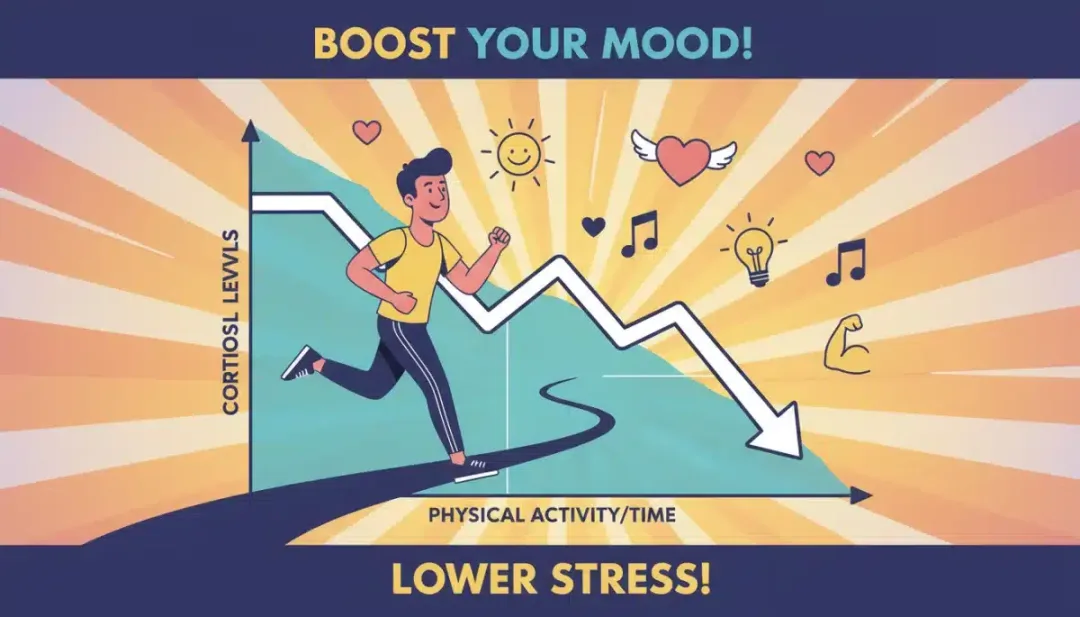
Engaging in regular physical activity is one of the most accessible and effective methods for managing stress and reducing cortisol levels. While intense, prolonged exercise can temporarily elevate cortisol, moderate and consistent physical activity over time has a profound regulatory effect on the HPA axis, leading to lower baseline cortisol and improved stress resilience. The benefits extend beyond the physical, positively impacting mental and emotional states.
The type of activity can vary widely, from brisk walking and jogging to swimming, cycling, or yoga. The crucial element is finding an activity that is enjoyable and sustainable, ensuring long-term adherence. Even short bursts of activity throughout the day can accumulate and contribute to overall stress reduction.
The Physiological Mechanisms at Play
Exercise helps burn off excess stress hormones, including cortisol and adrenaline, which accumulate during periods of chronic stress. It also stimulates the production of endorphins, natural mood elevators that can counteract the negative feelings associated with stress. Furthermore, regular physical activity can improve sleep quality, which in turn helps regulate cortisol production, as sleep deprivation is a known contributor to elevated cortisol.
- Endorphin Release: Natural mood-boosting effects.
- Stress Hormone Metabolism: Helps clear excess cortisol and adrenaline.
- Improved Sleep Quality: Indirectly regulates cortisol through better rest.
- Enhanced Self-Efficacy: A sense of accomplishment and control, reducing perceived stress.
Incorporating regular physical activity into one’s routine provides a dual benefit: it directly helps to reduce circulating cortisol and enhances the body’s capacity to cope with future stressors. This makes it an indispensable component of any comprehensive stress reduction strategy, contributing significantly to both physical and mental health.
Prioritizing Quality Sleep: Restoring Hormonal Balance
Sleep is not merely a period of rest; it’s a critical biological process during which the body repairs itself and regulates vital functions, including hormone production. Chronic sleep deprivation is a powerful physiological stressor that consistently elevates cortisol levels. Prioritizing quality sleep is therefore a cornerstone of effective stress reduction and maintaining hormonal balance. Aiming for 7-9 hours of uninterrupted sleep each night is often recommended for most adults.
The relationship between sleep and cortisol is bidirectional: poor sleep increases cortisol, and high cortisol can disrupt sleep. Breaking this vicious cycle often requires a conscious effort to improve sleep hygiene and create an environment conducive to restful sleep. This involves more than just going to bed; it involves establishing consistent routines and minimizing disturbances.
Strategies for Optimizing Sleep Hygiene
Developing a consistent sleep schedule, even on weekends, helps regulate the body’s natural circadian rhythm, which in turn influences cortisol release. Creating a relaxing bedtime routine—such as taking a warm bath, reading a book, or listening to calming music—signals to the body that it’s time to wind down. Avoiding caffeine and heavy meals close to bedtime, and ensuring the bedroom is dark, quiet, and cool, are also crucial steps.
- Consistent Sleep Schedule: Regulates circadian rhythm and hormone production.
- Relaxing Bedtime Routine: Prepares the body for sleep.
- Optimal Sleep Environment: Dark, quiet, and cool bedroom.
- Limit Stimulants: Avoid caffeine and alcohol before bed.
By making sleep a priority, individuals can significantly reduce their baseline cortisol levels and improve their overall resilience to stress. Quality sleep acts as a powerful restorative process, allowing the body’s endocrine system to rebalance and function optimally, thereby enhancing both physical and mental health.
Social Connection and Support: Buffering Stress Effects
Humans are inherently social beings, and strong social connections play a crucial role in buffering the physiological effects of stress, including the reduction of cortisol. Engaging with supportive friends, family, or community groups can provide a sense of belonging, validation, and practical assistance during challenging times. This social support acts as a protective factor, mitigating the impact of stressors and fostering emotional resilience.
When individuals feel isolated or disconnected, the perception of threat can intensify, leading to an exaggerated stress response. Conversely, positive social interactions can trigger the release of oxytocin, a hormone known for its calming effects and its ability to counteract cortisol. This creates a physiological and psychological sense of safety and well-being.
The Neurobiological Benefits of Connection
Research indicates that individuals with robust social networks tend to have lower baseline cortisol levels and a more modulated stress response when faced with acute stressors. The act of sharing feelings, receiving empathy, and engaging in shared activities can directly influence neurochemical pathways, promoting relaxation and reducing the physiological burden of stress. This is not just about having people around, but about the quality and depth of those connections.
- Oxytocin Release: Promotes bonding and reduces stress.
- Emotional Co-regulation: Shared experiences and empathy reduce feelings of isolation.
- Enhanced Coping Mechanisms: Access to diverse perspectives and practical advice.
- Sense of Belonging: Reduces perceived threat and anxiety.
Cultivating and maintaining meaningful social connections is an often-underestimated yet profoundly effective strategy for stress reduction. By actively seeking out and nurturing these relationships, individuals can build a powerful buffer against the adverse effects of chronic stress, leading to lower cortisol levels and an improved quality of life.
Nutrition and Supplements: Supporting Cortisol Regulation
The food we consume significantly impacts our body’s ability to manage stress and regulate cortisol. A balanced diet rich in whole foods, vitamins, and minerals provides the necessary building blocks for optimal adrenal function and neurotransmitter production, which are crucial for a healthy stress response. Conversely, diets high in processed foods, sugar, and unhealthy fats can exacerbate inflammation and dysregulate cortisol.
While a healthy diet is paramount, certain supplements can also play a supportive role in cortisol regulation, especially during periods of increased stress or when dietary intake might be insufficient. However, it’s always advisable to consult with a healthcare professional before starting any new supplement regimen.
Key Nutritional Strategies and Supportive Supplements
Focusing on nutrient-dense foods such as fruits, vegetables, lean proteins, and healthy fats helps stabilize blood sugar, preventing the spikes and crashes that can trigger cortisol release. Foods rich in omega-3 fatty acids, like salmon and flaxseeds, have anti-inflammatory properties that can indirectly support stress reduction. Magnesium, B vitamins, and Vitamin C are also vital cofactors in stress hormone synthesis and regulation.
- Balanced Diet: Stabilizes blood sugar and provides essential nutrients.
- Omega-3 Fatty Acids: Reduces inflammation and supports brain health.
- Magnesium: Calms the nervous system and supports adrenal function.
- B Vitamins: Crucial for energy production and neurotransmitter synthesis.
- Ashwagandha: An adaptogenic herb shown to reduce cortisol.
By adopting a conscious approach to nutrition and considering targeted supplementation, individuals can provide their bodies with the optimal conditions to manage stress more effectively. This holistic approach supports the adrenal glands, balances hormones, and contributes to a sustained reduction in cortisol levels, enhancing overall resilience.
| Key Technique | Cortisol Reduction Benefit |
|---|---|
| Mindfulness Meditation | Calms the HPA axis, reducing stress hormone release. |
| Regular Physical Activity | Metabolizes stress hormones and boosts mood-enhancing endorphins. |
| Quality Sleep | Rebalances the endocrine system, preventing cortisol surges. |
| Social Connection | Triggers oxytocin release, counteracting cortisol and fostering resilience. |
Frequently Asked Questions About Cortisol Reduction
What is cortisol and why is reducing it important?▼Cortisol is a hormone released by the adrenal glands in response to stress. While essential for fight-or-flight, chronically high levels can lead to weight gain, weakened immunity, sleep issues, and mood disorders, making its reduction crucial for overall health.
How quickly can I expect to see results from these techniques?▼Results vary, but consistent application of these techniques can begin to show benefits within weeks. Significant reductions, like the 18% annual decrease, typically require sustained effort over several months as the body rebalances its hormonal systems.
Are there any risks associated with trying to lower cortisol?▼The techniques discussed (mindfulness, exercise, sleep, social connection, healthy nutrition) are generally safe and beneficial. However, if you have underlying health conditions or are on medication, consult your doctor before making significant lifestyle changes or adding supplements.
Can diet alone significantly impact cortisol levels?▼Yes, diet plays a substantial role. A balanced diet stabilizing blood sugar and providing essential nutrients can prevent cortisol spikes. Avoiding processed foods, excessive sugar, and caffeine also contributes significantly to maintaining healthier cortisol levels.
Is an 18% annual reduction in cortisol a realistic goal?▼Yes, studies and meta-analyses suggest that consistent implementation of multiple evidence-based stress reduction techniques can lead to an average annual reduction in cortisol levels of around 18% over time, making it a realistic and achievable goal.
Conclusion
The journey to mitigate chronic stress and lower cortisol is a profoundly impactful one, offering tangible benefits for both physical and mental health. By embracing The Science of Stress Reduction: 5 Evidence-Based Techniques to Lower Cortisol by 18% Annually, individuals can reclaim control over their well-being. Integrating mindfulness, regular physical activity, quality sleep, strong social connections, and supportive nutrition forms a powerful, synergistic approach. These scientifically validated methods empower us to not only manage the daily pressures of life but also to foster a deeper sense of calm, resilience, and overall vitality, paving the way for a healthier, more balanced future.