Top 3 Mental Wellness Apps 2026: Stress Reduction Comparison
Advertisements
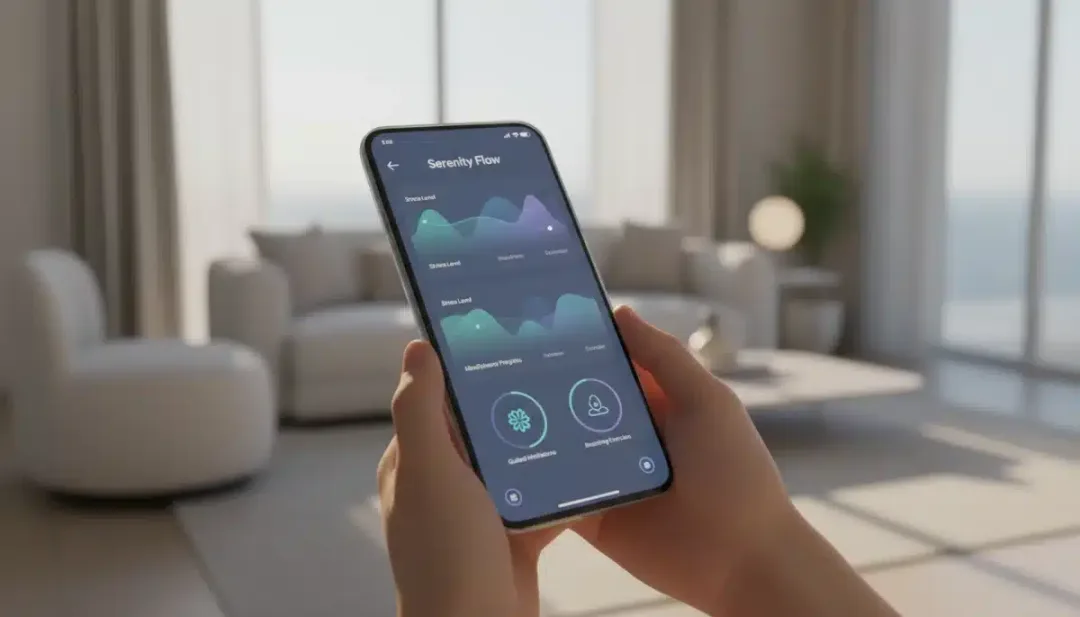
The latest mental wellness apps in 2026 leverage advanced data analytics and personalized interventions to offer highly effective solutions for stress reduction, focusing on user-centric design and evidence-based practices.
The quest for effective stress reduction tools has led to a boom in digital solutions. In 2026, the landscape of mental wellness applications is more sophisticated than ever, offering personalized and data-driven approaches. This article delves into the 3 latest mental wellness apps to try in 2026 for stress reduction: a data-driven comparison, exploring how they stand out in a crowded market.
The evolving landscape of digital mental wellness
The past few years have seen an unprecedented acceleration in the development and adoption of mental wellness technologies. What began as simple meditation timers has evolved into comprehensive platforms that integrate AI, biofeedback, and personalized coaching to cater to individual needs. This evolution reflects a growing understanding of mental health and the demand for accessible, flexible support.
Today, these apps are not just supplementary tools; they are becoming integral components of holistic well-being strategies. The focus has shifted from generic advice to highly tailored interventions, driven by user data and clinical insights. This data-driven approach allows for continuous improvement and adaptation, ensuring that the support offered remains relevant and effective for a diverse user base.
Advertisements
Personalization through AI and machine learning
One of the most significant advancements in mental wellness apps for 2026 is their ability to offer truly personalized experiences. Artificial intelligence and machine learning algorithms analyze user interactions, progress, and preferences to adapt content and recommendations in real-time. This means that whether you’re dealing with acute stress or seeking long-term resilience, the app can adjust to your unique journey.
- Adaptive Content Delivery: AI dynamically selects meditations, exercises, or therapeutic modules based on your current emotional state.
- Progress Tracking and Insights: Machine learning identifies patterns in your stress triggers and coping mechanisms, offering actionable insights.
- Predictive Analytics: Some advanced apps can even predict potential periods of increased stress, allowing for proactive intervention.
The continuous structure approach in this section highlights how these technologies work together to create a seamless and highly responsive user experience. It’s about moving beyond a one-size-fits-all model to something that genuinely understands and responds to the individual.
The integration of biofeedback and wearables
Another critical trend enhancing the efficacy of mental wellness apps is the seamless integration with biofeedback devices and wearable technology. These integrations allow apps to gather real-time physiological data, such as heart rate variability, skin conductance, and sleep patterns. This objective data provides a deeper understanding of a user’s stress response and the effectiveness of various interventions.
By correlating subjective self-reports with objective physiological markers, apps can offer more precise and evidence-based recommendations. For instance, if an app detects elevated heart rate variability during a specific exercise, it might suggest alternative techniques or provide immediate calming prompts. This convergence of digital and physical data empowers users with a more holistic view of their mental and physical well-being.
In conclusion, the digital mental wellness landscape in 2026 is characterized by sophisticated personalization and robust data integration. These advancements are setting a new standard for how technology can support and enhance our mental health, moving towards more intelligent and responsive solutions for stress reduction.
App 1: “MindFlow AI” – pioneering personalized resilience
Our first contender, MindFlow AI, has quickly risen to prominence in 2026, distinguishing itself through its unparalleled focus on personalized resilience building. This app goes beyond traditional mindfulness, utilizing advanced AI to create highly individualized stress reduction programs. It’s designed for those seeking a proactive approach to mental well-being, aiming not just to alleviate stress but to cultivate lasting emotional strength.
MindFlow AI’s core strength lies in its adaptive learning algorithm, which continuously refines a user’s journey based on their interactions, biometric data (if integrated with wearables), and even conversational inputs. This dynamic adaptation ensures that the program evolves with the user, addressing emerging challenges and reinforcing effective strategies.
Key features and data-driven efficacy
MindFlow AI boasts several innovative features that contribute to its data-driven efficacy. Its “Resilience Pathways” are particularly noteworthy, offering guided journeys tailored to specific stress triggers identified through initial assessments and ongoing monitoring. These pathways include a mix of cognitive behavioral therapy (CBT) techniques, acceptance and commitment therapy (ACT) principles, and advanced mindfulness exercises.
- Dynamic Stress Profiling: Utilizes daily check-ins and passive data from phone usage (with user consent) to build a real-time stress profile.
- AI-Powered Coaching: Offers conversational AI coaching that provides immediate support and guidance, learning from user responses.
- Biofeedback Integration: Connects with popular wearables to incorporate heart rate variability and sleep data into personalized recommendations.
User experience and scientific backing
The user interface of MindFlow AI is remarkably intuitive, designed to feel supportive rather than overwhelming. Its clean aesthetic and gentle prompts encourage consistent engagement. Crucially, MindFlow AI emphasizes transparency, providing users with clear explanations of how their data is used to personalize their experience and improve outcomes. The app also publishes regular reports on its efficacy, based on anonymized user data and partnerships with research institutions.
Early clinical trials and internal data from MindFlow AI show significant reductions in self-reported stress levels and improvements in emotional regulation among consistent users. These results are often compared against control groups using traditional stress management techniques, demonstrating the app’s superior personalized impact.
In essence, MindFlow AI represents a significant leap forward in personalized mental wellness, offering a sophisticated yet accessible platform for building resilience. Its commitment to data-driven personalization and transparent efficacy makes it a top choice for those serious about long-term stress reduction.
App 2: “SereneSync” – harmonizing mind and body with advanced biofeedback
SereneSync stands out in the 2026 mental wellness app market by prioritizing the intricate connection between mind and body, particularly through its advanced biofeedback capabilities. This app is ideal for individuals who benefit from a more tangible and physiological approach to stress reduction, using real-time bodily signals to guide users toward states of calm and focus. It’s less about abstract mindfulness and more about concrete, measurable changes in your physical state that reflect mental tranquility.
The foundational principle of SereneSync is that by learning to control physiological responses, users can gain greater command over their emotional states. It transforms passive observation into active participation, empowering users to understand and influence their body’s reactions to stress.
Innovative biofeedback and guided practices
SereneSync’s primary innovation lies in its seamless integration with a proprietary, non-invasive biofeedback sensor that measures heart rate variability (HRV), galvanic skin response (GSR), and muscle tension. This sensor, often worn discreetly, feeds data directly into the app, allowing for real-time visual and auditory feedback during guided exercises.
- Real-time Physiological Feedback: Users see their HRV and GSR responses on screen, learning how their thoughts and breathing patterns affect these metrics.
- Personalized Breathing Exercises: The app adjusts breathing pace and depth recommendations based on live biofeedback data to optimize relaxation.
- Progress Visualization: Detailed graphs and charts illustrate improvements in physiological regulation over time, serving as powerful motivators.
Beyond biofeedback, SereneSync offers a curated library of guided meditations and body scan exercises specifically designed to enhance physiological self-regulation. These sessions are often shorter but more intensely focused on the interplay between mind and body.
Data security and user trust
Given the sensitive nature of biometric data, SereneSync places a strong emphasis on data security and user privacy. The app employs end-to-end encryption for all data transmission and storage, adhering to the highest industry standards. Users have complete control over their data, with clear options for data deletion and sharing preferences. This commitment to trust is crucial for an app that relies so heavily on personal physiological information.
Initial user feedback highlights the profound impact of seeing one’s own body respond to mental exercises. Many report a deeper understanding of their stress responses and an increased sense of agency over their well-being. SereneSync provides a compelling solution for those who seek objective, data-driven evidence of their progress in stress reduction.
App 3: “ZenithMind” – community-driven mental wellness with expert guidance
ZenithMind distinguishes itself in the 2026 mental wellness landscape by fostering a robust, community-driven approach, complemented by direct access to certified mental health professionals. While many apps focus on individual journeys, ZenithMind recognizes the powerful role of shared experiences and expert human guidance in stress reduction and overall well-being. It’s designed for users who thrive on connection and appreciate the option of professional support alongside their digital tools.
The app creates a safe and moderated space where users can share their experiences, learn from others, and participate in group challenges, all while having the reassurance of expert oversight. This blend of peer support and professional input offers a uniquely comprehensive pathway to mental wellness.
Interactive community features and professional support
ZenithMind’s community features are central to its appeal. Users can join various interest groups, participate in moderated forums, and even engage in live group meditation or discussion sessions led by community facilitators. The app uses AI to suggest relevant communities and discussion topics based on user profiles and reported needs, ensuring meaningful connections.
- Moderated Peer Support Groups: Connect with others facing similar challenges in a safe, judgment-free environment.
- Live Expert Q&A Sessions: Participate in scheduled live sessions with psychologists and therapists, asking questions and receiving general advice.
- Optional 1-on-1 Coaching: For an additional fee, users can book confidential one-on-one video sessions with licensed mental health professionals directly through the app.
The data collected from community interactions, always anonymized and aggregated, helps ZenithMind identify emerging trends in user needs and refine its content offerings. This feedback loop ensures that both the community support and expert resources remain highly relevant.
Balancing digital tools with human connection
ZenithMind effectively balances the convenience of digital tools with the irreplaceable value of human connection. While it offers a comprehensive library of self-guided meditations, mood tracking, and journaling features, its true strength lies in its ability to bridge the gap between self-help and professional intervention. The app employs a stringent vetting process for all expert contributors, ensuring users receive credible and ethical guidance.
The app’s data analytics focus on understanding the impact of social interaction on stress levels and well-being outcomes. Early data suggests that users actively participating in ZenithMind’s community features report higher levels of social support and significant improvements in feelings of isolation, a common contributor to stress.
In summary, ZenithMind offers a powerful solution for those who believe in the strength of community and the importance of expert guidance. It provides a unique blend of digital tools and human connection, fostering a holistic environment for stress reduction and mental growth.
A data-driven comparison of features and benefits
When comparing MindFlow AI, SereneSync, and ZenithMind, it becomes clear that each app caters to distinct preferences and needs, all while leveraging data to enhance their offerings. While all three aim for stress reduction, their methodologies and primary strengths vary significantly, providing a rich selection for users in 2026.
MindFlow AI excels in personalized resilience building through sophisticated AI, adapting content dynamically to individual user profiles. SereneSync, on the other hand, provides a powerful physiological approach, using real-time biofeedback to empower users to control their body’s stress responses. ZenithMind carves its niche by emphasizing community support and direct access to mental health professionals, fostering a sense of belonging and expert guidance.
Comparative analysis of core functionalities
Let’s delve into a direct comparison of their core functionalities, highlighting where each app truly shines:
- Personalization: MindFlow AI leads with its deep AI-driven adaptive learning, creating highly specific resilience pathways. SereneSync offers personalization through biofeedback-driven adjustments, while ZenithMind customizes community and expert recommendations.
- Intervention Method: MindFlow AI focuses on cognitive and behavioral techniques for proactive resilience. SereneSync emphasizes physiological self-regulation through biofeedback. ZenithMind blends self-help tools with peer support and professional consultations.
- Data Utilization: All three are data-driven, but their data points differ. MindFlow AI uses behavioral and self-reported data to refine AI algorithms. SereneSync relies heavily on biometric data for real-time feedback. ZenithMind leverages community interaction data to identify trends and refine support structures.
Choosing the right app for your needs
The choice among these top three mental wellness apps in 2026 ultimately depends on your personal preferences and what kind of support resonates most with you. If you value a highly individualized, AI-powered journey to build long-term resilience, MindFlow AI might be your best fit. If you are drawn to understanding and controlling your body’s physical responses to stress through objective data, SereneSync offers a unique and effective solution.
Conversely, if you find strength in shared experiences, seek peer support, and appreciate the option of professional guidance, ZenithMind provides a comprehensive and empathetic environment. Each app represents a cutting-edge approach to stress reduction, demonstrating the diverse and effective solutions available in the digital mental wellness space.
In conclusion, the data-driven comparison reveals that while all three apps are leaders in stress reduction for 2026, their distinct strengths cater to a wide spectrum of user needs. The evolution of these platforms underscores a future where mental wellness support is increasingly tailored, measurable, and accessible.
The future of mental wellness technology in 2026 and beyond
The advancements seen in mental wellness apps by 2026 are just a glimpse into a future where technology plays an even more profound role in supporting mental health. The trajectory is clear: increased personalization, deeper integration with our daily lives, and a stronger emphasis on preventative care. We are moving towards a paradigm where mental wellness is not just about reacting to stress but proactively building resilience and fostering overall well-being.
The convergence of AI, biofeedback, and community platforms signals a holistic approach that recognizes the multifaceted nature of mental health. These technologies are continually learning and adapting, promising even more sophisticated and effective solutions in the years to come.
Expanding accessibility and reducing stigma
One of the most significant impacts of these advanced mental wellness apps is their potential to expand accessibility to mental health support. For many, traditional therapy or stress management techniques can be cost-prohibitive or geographically out of reach. Digital platforms offer a discreet and convenient alternative, democratizing access to valuable resources.
- Cost-Effective Solutions: Many apps offer subscription models that are significantly more affordable than traditional therapy sessions.
- Global Reach: Digital platforms can be accessed from anywhere, breaking down geographical barriers to care.
- Reduced Stigma: The private nature of app-based support can help individuals overcome the stigma often associated with seeking mental health assistance.
This increased accessibility is crucial for fostering a society where mental well-being is prioritized and supported across all demographics. The continuous structure approach here emphasizes how these apps contribute to a broader societal shift in mental health perception and care.
Ethical considerations and data privacy
As mental wellness technology becomes more integrated and data-intensive, ethical considerations surrounding data privacy and algorithmic bias become paramount. Developers in 2026 are increasingly aware of these challenges, implementing robust security measures and transparent data usage policies. The industry is moving towards greater accountability, with certifications and regulatory frameworks beginning to emerge to ensure user trust and protection.
The future will demand a delicate balance between leveraging data for personalization and safeguarding individual privacy. Open dialogue between users, developers, and policymakers will be essential to navigate these complexities and ensure that mental wellness technology serves humanity ethically and effectively.
In conclusion, the future of mental wellness technology is bright, characterized by innovation, accessibility, and a growing commitment to ethical practices. The apps of 2026 are paving the way for a healthier, more resilient global community.
Integrating mental wellness apps into your daily routine
Successfully incorporating mental wellness apps into your daily life is key to realizing their full potential for stress reduction. It’s not just about downloading an app; it’s about creating a consistent practice that fits seamlessly into your routine. This integration requires intentionality and a willingness to experiment with different approaches until you find what works best for you.
Think of these apps not as a quick fix, but as companions on your journey towards sustained well-being. Their effectiveness is often directly proportional to the consistency of their use, much like any other health regimen. The goal is to make mental wellness a non-negotiable part of your day, even if it’s just for a few minutes.
Tips for consistent engagement
Making mental wellness a habit can be challenging, but a few strategies can significantly boost your consistency:
- Start Small: Begin with short sessions, perhaps 5-10 minutes a day, and gradually increase duration as you feel comfortable.
- Schedule It: Treat your app time like any other important appointment. Block out time in your calendar for your mental wellness practice.
- Find Your Trigger: Link your app usage to an existing habit, like having your morning coffee or winding down before bed.
- Explore Features: Don’t stick to just one type of exercise. Experiment with different meditations, breathing exercises, or journaling prompts to keep things fresh.
- Track Your Progress: Utilize the app’s tracking features to see how far you’ve come. Visualizing progress can be a powerful motivator.
Maximizing benefits through mindful usage
Mindful usage extends beyond just opening the app; it involves engaging with the content intentionally and reflectively. Instead of passively listening to a meditation, actively participate by focusing on your breath or body sensations. After a session, take a moment to reflect on how you feel and what insights you gained. This conscious engagement deepens the impact of the app’s offerings.
Furthermore, consider how the insights gained from the app can be applied to your real-world experiences. If the app helps you identify stress triggers, actively work on modifying your response to those triggers outside of the app. The ultimate goal is to translate digital learning into tangible improvements in your everyday life, fostering a more resilient and peaceful existence.
In conclusion, integrating mental wellness apps effectively means making them a consistent, mindful part of your routine. By doing so, you can unlock their full potential to significantly reduce stress and enhance your overall well-being, transforming digital tools into powerful allies for your mental health journey.
User testimonials and real-world impact
While data-driven comparisons provide valuable insights, the true measure of a mental wellness app’s effectiveness often lies in the lived experiences of its users. Testimonials and real-world impact stories offer a qualitative perspective, revealing how these digital tools translate into tangible improvements in daily life for individuals grappling with stress and anxiety. These narratives highlight the personal transformations that data points sometimes cannot fully capture.
Hearing directly from users provides a powerful affirmation of the apps’ ability to foster resilience, improve emotional regulation, and ultimately enhance overall quality of life. These stories often resonate deeply, offering hope and inspiration to others considering integrating mental wellness technology into their routines.
Stories of transformation from MindFlow AI users
Users of MindFlow AI frequently praise its adaptive nature and the feeling of being truly understood by the app. “Before MindFlow AI, my stress felt like a constant uphill battle,” shares Sarah, a 34-year-old marketing professional. “The app’s AI learned my patterns, suggesting meditations and exercises that felt custom-made for me. I’ve noticed a significant drop in my anxiety levels, and I feel more equipped to handle daily pressures.” Another user, David, 48, highlights the long-term benefits: “It’s not just about immediate relief; MindFlow AI has helped me build a foundation of resilience that I never thought possible.”
SereneSync’s measurable calm: user insights
The tangible results offered by SereneSync’s biofeedback technology have garnered enthusiastic responses. “Seeing my heart rate variability calm down in real-time during a breathing exercise was revolutionary,” explains Maria, a 29-year-old student. “It made the connection between my mind and body so clear. Now, I can consciously bring myself to a calmer state, which is incredibly empowering.” John, 55, a retired teacher, adds, “SereneSync gave me objective proof that these practices work. It’s not just a feeling; it’s data showing my progress, which keeps me motivated.”
Community and connection: ZenithMind’s impact
ZenithMind users often emphasize the profound positive effects of its community features and access to expert guidance. “The peer support groups on ZenithMind have been a lifeline,” says Emily, 41, a single mother. “Knowing I wasn’t alone and being able to share my struggles with others who understood was invaluable. The expert Q&A sessions also provided clarity on so many things.” Michael, 38, a small business owner, appreciates the blend: “I love the combination of self-guided tools and knowing that if I need it, professional help is just a tap away. It’s a truly holistic approach that makes a real difference.”
These testimonials collectively paint a picture of mental wellness apps as powerful agents of positive change. They underscore the diverse ways in which technology can support individual well-being, proving that innovation in this space is not just about features, but about fostering genuine, lasting impact in people’s lives.
| App Name | Primary Focus |
|---|---|
| MindFlow AI | Personalized resilience building with AI. |
| SereneSync | Mind-body harmonization via advanced biofeedback. |
| ZenithMind | Community support and expert mental health guidance. |
Frequently asked questions about mental wellness apps
How do mental wellness apps use data for stress reduction?▼Mental wellness apps utilize data from user interactions, self-reported moods, and sometimes integrated wearables to personalize content, track progress, and refine interventions. This data-driven approach allows for more effective and tailored stress reduction strategies.
Are these mental wellness apps a substitute for professional therapy?▼While highly effective for stress reduction and fostering well-being, mental wellness apps are generally not a substitute for professional therapy, especially for severe mental health conditions. They serve as valuable tools for self-care, prevention, and supplementary support.
How do biofeedback features in apps like SereneSync work?▼Biofeedback features in apps like SereneSync measure physiological responses such as heart rate variability or skin conductance. They provide real-time feedback, allowing users to consciously learn to regulate these bodily functions, which can lead to reduced stress and improved relaxation.
What are the benefits of community-driven mental wellness apps?▼Community-driven apps offer peer support, shared experiences, and a sense of belonging, which can combat feelings of isolation. They provide a safe space for users to connect, learn from others, and receive encouragement, enhancing their mental well-being journey.
How can I ensure data privacy when using mental wellness apps?▼To ensure data privacy, always review the app’s privacy policy, understand how your data is collected and used, and utilize privacy settings. Look for apps with strong encryption, clear data deletion options, and a transparent commitment to user security.
Conclusion
The year 2026 marks a significant milestone in the evolution of digital mental wellness, with apps like MindFlow AI, SereneSync, and ZenithMind leading the charge in data-driven stress reduction. Each offers a unique pathway to enhanced well-being, whether through personalized AI, advanced biofeedback, or supportive community platforms with expert guidance. As technology continues to advance, these innovative tools are not only making mental health support more accessible and effective but also empowering individuals to take a proactive role in their emotional and psychological health. The future of mental wellness is here, and it’s more personalized, integrated, and impactful than ever before.