US Retail Sales 2026: Experts Predict 15% Holiday Surge
Advertisements
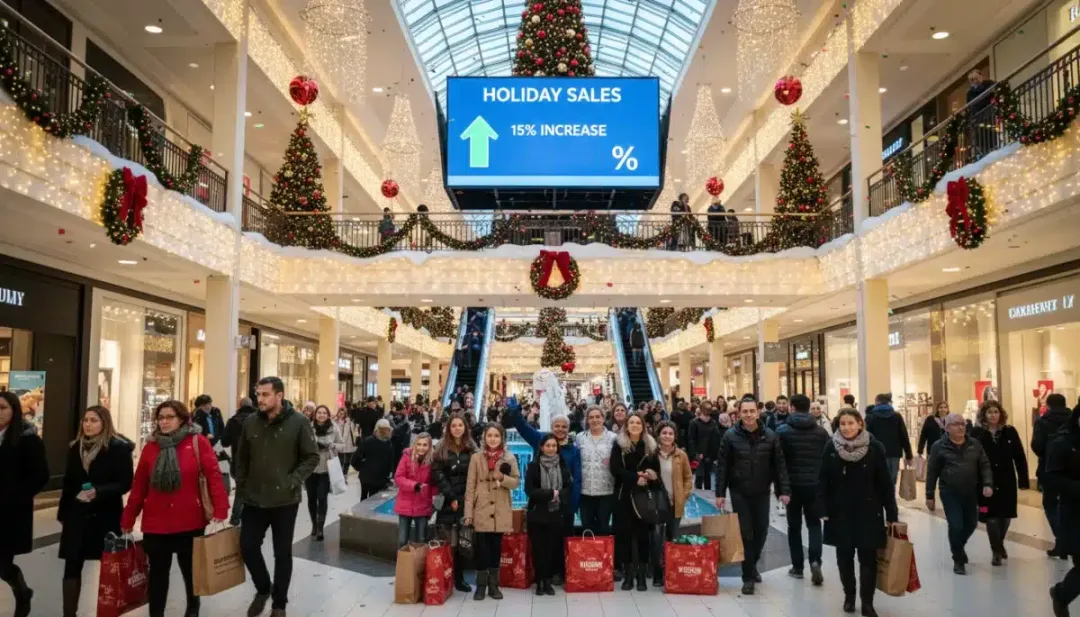
Experts project a substantial 15% surge in US retail sales during the 2026 holiday season, reflecting robust economic conditions and evolving consumer engagement strategies across the nation.
The economic outlook: experts predict a 15% increase in US retail sales during the holiday season 2026, a forecast that signals a significant boost for businesses and a promising period for the American economy. This projection isn’t just a number; it represents a confluence of favorable economic conditions, evolving consumer behaviors, and strategic retail innovations poised to shape the festive shopping landscape.
Understanding the 2026 Holiday Retail Landscape
The anticipation of a 15% increase in US retail sales for the 2026 holiday season stems from a comprehensive analysis of various macroeconomic indicators and consumer trends. This robust growth prediction is more than just optimistic; it’s grounded in a forward-looking assessment of where the economy is headed, particularly concerning consumer purchasing power and retail adaptability.
Several factors contribute to this positive outlook, including sustained wage growth, a healthy job market, and a likely moderation of inflationary pressures. Businesses are also becoming increasingly adept at leveraging technology and personalized marketing to capture consumer attention, making the shopping experience more engaging and efficient.
Advertisements
Key Economic Indicators Driving Growth
The foundation of this optimistic forecast lies in several core economic indicators. A strong labor market, characterized by low unemployment rates and consistent job creation, directly translates into higher disposable income for consumers. This increased financial flexibility is crucial for driving discretionary spending during peak shopping periods.
- Employment Stability: A steady job market ensures consumers feel secure enough to spend on non-essential items.
- Wage Growth: Rising wages enhance purchasing power, allowing for more significant holiday splurges.
- Inflation Control: A more stable price environment encourages consumers to spend without fear of rapid depreciation of their savings.
Furthermore, consumer confidence, often a leading indicator of spending intentions, is expected to remain high. When consumers feel positive about the economy and their personal financial situations, they are more inclined to open their wallets, especially for holiday gifts and celebrations. The retail sector, in turn, benefits immensely from this buoyant sentiment, translating into tangible sales figures.
Technological Innovations Shaping Consumer Behavior
The retail landscape is constantly evolving, with technology playing an increasingly pivotal role in shaping how consumers shop. By 2026, we anticipate even more sophisticated integrations of digital tools and artificial intelligence that will transform the holiday shopping experience, contributing significantly to the predicted 15% surge in sales.
From augmented reality (AR) try-ons to hyper-personalized recommendations, retailers are investing heavily in technologies that not only streamline the purchasing process but also make it more enjoyable and efficient for the consumer. These innovations are not just about convenience; they are about creating a seamless, engaging, and highly customized shopping journey that encourages higher spending.
The Rise of AI-Powered Personalization
Artificial intelligence is set to revolutionize personalization in retail. By analyzing vast amounts of consumer data, AI algorithms can predict individual preferences with remarkable accuracy, offering tailored product suggestions and promotions. This level of personalization makes shopping feel less like a chore and more like a discovery, driving conversion rates and average order values.
- Dynamic Product Recommendations: AI suggests items based on past purchases, browsing history, and even real-time behavior.
- Personalized Marketing Campaigns: Consumers receive offers and advertisements specifically crafted for their interests.
- Optimized Pricing Strategies: AI helps retailers adjust prices dynamically to maximize sales and profit margins.
Moreover, the integration of AR and virtual reality (VR) will allow consumers to visualize products in their own homes or on themselves before making a purchase. This reduces uncertainty and returns, boosting consumer confidence and satisfaction. The seamless blend of online and in-store experiences, often referred to as ‘omnichannel retail,’ will be perfected, providing multiple touchpoints for consumers to engage with brands.
Evolving Retail Strategies and Market Adaptations
Retailers are not merely passive beneficiaries of a strong economy; they are active participants in driving growth through innovative strategies and agile market adaptations. The projected 15% increase in US retail sales for the 2026 holiday season reflects a sector that has learned from past challenges and is now proactively preparing for future opportunities. This includes rethinking supply chains, enhancing customer service, and diversifying product offerings.
The focus has shifted from simply selling products to creating comprehensive shopping experiences that resonate with modern consumers. This involves everything from sustainable sourcing to community engagement, all designed to build brand loyalty and encourage repeat business, especially during the crucial holiday period.
Strategic Inventory Management
Efficient inventory management will be a cornerstone of retail success in 2026. Retailers are investing in advanced analytics and forecasting tools to ensure they have the right products in the right quantities at the right time. This minimizes both stockouts and overstock, optimizing sales and reducing waste.
- Data-Driven Forecasting: Utilizing predictive analytics to anticipate consumer demand more accurately.
- Agile Supply Chains: Building flexible supply networks that can quickly adapt to unforeseen disruptions.
- Local Sourcing: Increasing reliance on domestic suppliers to reduce lead times and enhance sustainability.
Beyond inventory, customer service is being elevated to new heights. Retailers understand that exceptional service can differentiate them in a crowded market. This includes faster delivery options, hassle-free returns, and responsive support channels, all contributing to a positive shopping experience that encourages higher spending during the holiday rush.
Consumer Confidence and Shifting Spending Habits
A crucial element underpinning the forecast for a 15% increase in US retail sales during the 2026 holiday season is the expected robust consumer confidence. This psychological factor, often influenced by economic stability and personal financial health, plays a significant role in discretionary spending. When consumers feel secure about their jobs and financial future, they are more inclined to spend on gifts and holiday festivities.
Beyond just confidence, there are noticeable shifts in spending habits. Consumers are increasingly prioritizing value, experiences, and products that align with their personal values, such as sustainability and ethical sourcing. Retailers who can tap into these evolving preferences are likely to see the most significant gains during the holiday period.
The Experience Economy and Gifting
The ‘experience economy’ continues to gain traction, with consumers often valuing memorable experiences over purely material possessions. This trend will likely influence holiday gifting, with a rise in popularity for experiential gifts such as travel vouchers, concert tickets, or unique workshops. Retailers offering such options, or bundling products with experiences, will be well-positioned.
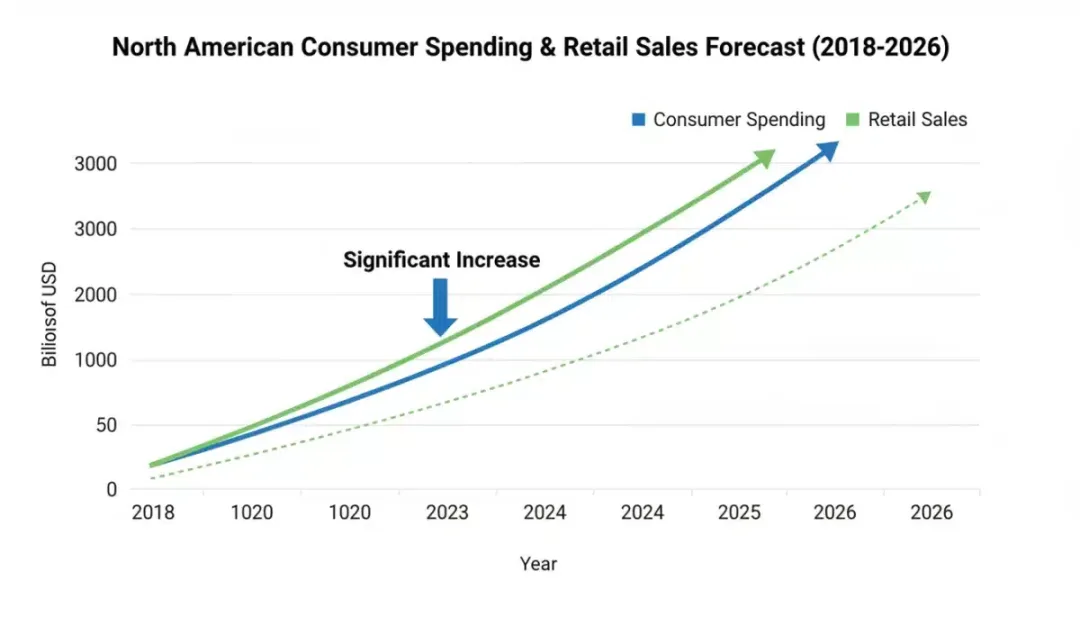
- Experiential Gifts: Increased demand for gifts like travel, events, or skill-building courses.
- Personalized Services: Growth in bespoke services and custom-made products.
- Conscious Consumption: Preference for brands that demonstrate social and environmental responsibility.
Furthermore, the convenience factor continues to drive how and where consumers spend their money. Seamless online shopping, efficient delivery options, and easy in-store pickup services are no longer luxuries but expectations. Retailers who excel in providing these conveniences will capture a larger share of the holiday spending pie, contributing to the overall sales increase.
Impact on Small Businesses and Local Economies
While large retailers often grab headlines, the projected 15% increase in US retail sales during the 2026 holiday season also holds significant implications for small businesses and local economies. A rising tide lifts all boats, and a strong holiday spending season can provide a much-needed boost to independent shops, local artisans, and community-based enterprises.
Small businesses, with their unique offerings and personalized customer service, are well-positioned to capitalize on evolving consumer preferences for authenticity and local support. Their ability to adapt quickly and foster strong community ties often gives them a competitive edge during periods of increased spending.
Leveraging Local Charm and Niche Markets
Small businesses can thrive by emphasizing their unique selling propositions. This often includes curated product selections, locally sourced goods, and a more intimate shopping experience that large chains cannot replicate. The holiday season is a prime time for consumers to seek out special, one-of-a-kind gifts, which is where small businesses truly shine.
- Unique Product Offerings: Distinctive items that stand out from mass-produced goods.
- Personalized Customer Service: Building relationships and providing tailored recommendations.
- Community Engagement: Hosting local events and participating in community initiatives to attract shoppers.
Additionally, small businesses can benefit from increased foot traffic in downtown areas and local shopping districts. Collaborative marketing efforts among local merchants, such as holiday strolls or themed events, can draw in more customers and distribute the economic benefits across the community. This collective strength contributes to the overall positive retail outlook.
Potential Challenges and Mitigating Factors
While the forecast for a 15% increase in US retail sales during the 2026 holiday season is overwhelmingly positive, it is prudent to acknowledge potential challenges and the mitigating factors that could influence this trajectory. No economic prediction is without its risks, and understanding these can help retailers and consumers prepare effectively.
Global economic uncertainties, geopolitical events, and unforeseen supply chain disruptions could still pose challenges. However, the retail sector has demonstrated remarkable resilience and adaptability in recent years, implementing strategies to mitigate such risks and maintain momentum even in turbulent times.
Global Economic Headwinds
External factors, such as shifts in global trade policies, fluctuations in energy prices, or economic slowdowns in major trading partners, could indirectly affect the US economy and, consequently, consumer spending. Vigilance and adaptability are key for retailers to navigate these potential headwinds.
- Trade Policy Changes: Tariffs or trade disputes could impact product costs and availability.
- Energy Price Volatility: Rising fuel costs can affect transportation and consumer discretionary income.
- Geopolitical Instability: Global events can dampen consumer confidence and investment.
Despite these potential challenges, the retail industry is becoming more sophisticated in its risk management. Diversifying supply chains, investing in domestic production, and leveraging technology to forecast and respond to disruptions are all strategies that will help maintain the projected growth. The sector’s ability to innovate and adapt will be crucial in ensuring the 2026 holiday season lives up to its promising forecast.
| Key Point | Brief Description |
|---|---|
| 15% Sales Increase | Experts predict a robust 15% growth in US retail sales for the 2026 holiday season. |
| Economic Drivers | Strong employment, wage growth, and controlled inflation are fueling consumer confidence. |
| Tech & Personalization | AI-powered recommendations and omnichannel strategies enhance the shopping experience. |
| Retailer Adaptability | Strategic inventory, efficient supply chains, and enhanced customer service are key. |
Frequently Asked Questions About 2026 Holiday Retail Sales
What factors are driving the 15% increase prediction for 2026 US retail sales?▼The prediction is driven by strong economic fundamentals, including robust employment, consistent wage growth, and anticipated stable inflation. Additionally, evolving consumer behaviors and advanced retail technologies play a significant role in stimulating spending.
How will technology influence holiday shopping in 2026?▼Technology will profoundly influence holiday shopping through AI-powered personalization, offering dynamic product recommendations and targeted marketing. Augmented reality (AR) will also enhance product visualization, creating a more engaging and efficient shopping experience for consumers.
What role do small businesses play in this projected retail growth?▼Small businesses are expected to contribute significantly by leveraging their unique product offerings and personalized customer service. Their ability to cater to niche markets and foster community engagement helps attract consumers looking for authentic and distinctive gifts, boosting local economies.
Are there any potential risks to this positive retail sales forecast?▼While the outlook is positive, potential risks include global economic uncertainties, geopolitical events, and unforeseen supply chain disruptions. However, the retail sector’s increased adaptability and strategic risk management are expected to mitigate these challenges effectively.
How are consumer spending habits evolving for the 2026 holiday season?▼Consumers are increasingly prioritizing value, experiences, and products aligned with their personal values, such as sustainability. There’s a growing demand for experiential gifts and personalized services, alongside a continued expectation for seamless online and in-store shopping conveniences.
Conclusion
The projected 15% increase in US retail sales for the 2026 holiday season paints a compelling picture of economic resilience and innovation. This optimistic forecast is not merely a statistical projection but a reflection of a dynamic interplay between robust economic indicators, transformative technological advancements, and evolving consumer behaviors. Retailers, both large and small, are strategically adapting to these shifts, focusing on personalized experiences, efficient operations, and sustainable practices. While potential global challenges remain, the industry’s demonstrated adaptability and forward-thinking strategies position it well to achieve this significant growth, promising a vibrant and prosperous holiday season for the American economy.