Epigenetics Explained: Lifestyle Choices & Gene Impact
Advertisements
Epigenetics reveals how lifestyle choices, from diet to stress, can alter gene expression without changing DNA, profoundly impacting health and disease risk over the next decade.
Have you ever wondered if your daily habits truly shape your future beyond the obvious? The emerging field of epigenetics lifestyle impact offers a compelling answer, revealing how choices we make today can profoundly influence our genes and health in the coming decade.
Understanding the Basics of Epigenetics
Epigenetics is a fascinating area of biology that explores how your behaviors and environment can cause changes that affect the way your genes work. Unlike genetics, which studies changes in your DNA sequence, epigenetics looks at changes in gene expression—how genes are turned on or off—without altering the underlying DNA code itself.
Think of your DNA as the hardware of a computer, containing all the programs (genes). Epigenetics is like the software that dictates which programs run, when they run, and how strongly they run. These epigenetic modifications can be inherited across generations, adding another layer of complexity to how we understand health and disease.
Advertisements
The molecular mechanisms of epigenetics
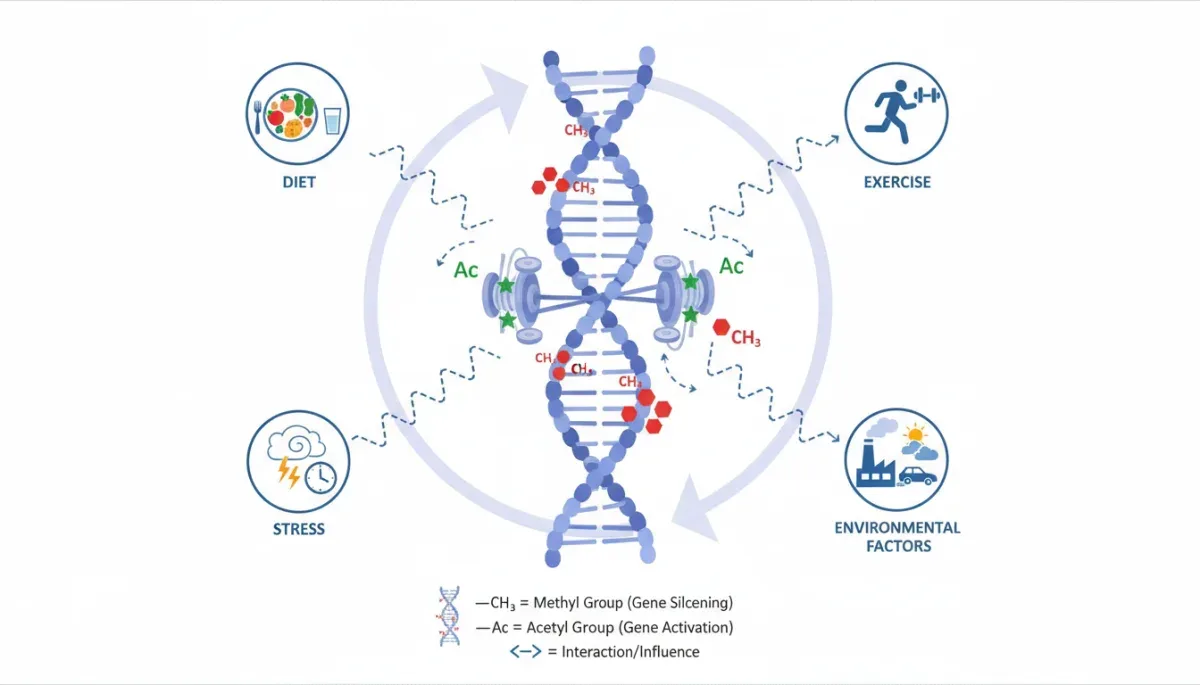
At its core, epigenetics involves several key molecular mechanisms that control gene activity. These mechanisms act as tags or markers on your DNA and its associated proteins, influencing whether a gene is accessible to be read and expressed.
- DNA Methylation: The addition of a methyl group to DNA, typically at specific C-G sequences, often silences genes by blocking transcription.
- Histone Modification: Histones are proteins around which DNA wraps. Chemical modifications to these histones can either loosen or tighten DNA coiling, making genes more or less accessible for expression.
- Non-coding RNA: Various RNA molecules that do not code for proteins can also regulate gene expression by interacting with DNA, mRNA, or proteins.
These mechanisms are not static; they are dynamic and responsive to internal and external cues, making them crucial mediators between your environment and your genetic blueprint. Understanding these processes is the first step in appreciating the profound impact of lifestyle on health.

Diet and Nutrition: Fueling or Fouling Your Epigenome
What you eat is far more than just calories; it's a powerful signal to your genes. The nutrients and compounds in your diet can directly influence epigenetic modifications, determining which genes are active and which remain silent. This interaction plays a significant role in disease prevention and overall well-being.
A diet rich in fruits, vegetables, and whole grains provides a wealth of bioactive compounds that support a healthy epigenome. Conversely, processed foods, high sugar intake, and unhealthy fats can lead to adverse epigenetic changes, potentially increasing the risk of chronic diseases.
Specific nutrients and epigenetic pathways
Certain dietary components are particularly well-studied for their epigenetic effects. Folate, for example, is a crucial donor of methyl groups, essential for DNA methylation. Choline and B vitamins also play vital roles in these processes, highlighting the importance of a balanced nutrient intake.
- Folate and B Vitamins: Essential for one-carbon metabolism, providing methyl groups for DNA methylation.
- Polyphenols (e.g., from green tea, berries): Can inhibit histone deacetylases (HDACs), promoting gene expression.
- Sulforaphane (from cruciferous vegetables): Also known to inhibit HDACs, influencing gene activity.
These examples illustrate how specific dietary choices can either promote or hinder beneficial epigenetic patterns. Prioritizing nutrient-dense foods is a practical strategy for supporting optimal gene function and long-term health, offering a tangible way to manage your epigenome.
Exercise and Physical Activity: Sculpting Your Genetic Landscape
Beyond its well-known benefits for cardiovascular health and weight management, regular exercise has a remarkable ability to influence your epigenome. Physical activity can induce significant epigenetic changes in various tissues, including muscle, fat, and even the brain, affecting metabolism, inflammation, and cognitive function.
Studies have shown that even short bursts of exercise can lead to rapid alterations in DNA methylation patterns in muscle cells, impacting genes involved in energy metabolism and muscle growth. This suggests that physical activity doesn't just burn calories; it actively reprograms your cellular machinery.
How movement impacts gene expression
The mechanisms by which exercise influences epigenetics are complex but involve several pathways. Muscle contraction, for instance, releases signaling molecules that can travel throughout the body, triggering epigenetic responses in distant cells. This systemic effect underscores the holistic benefits of an active lifestyle.
- Increased DNA Methylation Changes: Exercise can alter methylation patterns in genes related to metabolism and muscle adaptation.
- Histone Acetylation: Physical activity can increase histone acetylation, making genes more accessible for transcription, especially those involved in energy production.
- Mitochondrial Biogenesis: Epigenetic changes induced by exercise promote the creation of new mitochondria, improving cellular energy efficiency.
Incorporating regular physical activity into your routine is therefore a powerful epigenetic intervention. It's not just about getting fit; it's about optimizing your genetic potential for health and resilience, demonstrating a direct link between movement and molecular well-being.
Stress, Mental Health, and Epigenetic Resilience
The mind-body connection is deeply rooted in epigenetics. Chronic stress, trauma, and mental health conditions can leave lasting epigenetic marks, particularly in genes associated with stress response, neuroplasticity, and inflammation. These changes can influence an individual's vulnerability to future stress and mental health disorders.
Understanding this link helps explain why some individuals are more resilient to stress than others, and how early life experiences can have profound, long-term effects on psychological well-being. It underscores the importance of mental health support and stress management techniques.
Managing stress for epigenetic health
While stress can induce negative epigenetic changes, interventions aimed at reducing stress can also reverse some of these marks or promote beneficial ones. Practices such as mindfulness, meditation, and adequate sleep are not just feel-good activities; they are powerful tools for epigenetic regulation.
For example, studies have shown that mindfulness-based stress reduction can alter gene expression in immune cells, leading to reduced inflammation. This highlights the proactive role individuals can play in shaping their epigenetic landscape through mental wellness practices.
- Mindfulness and Meditation: Can alter gene expression related to inflammatory pathways and stress response.
- Adequate Sleep: Essential for restoring epigenetic balance and maintaining overall cellular health.
- Social Support: Positive social interactions can buffer the epigenetic effects of stress, promoting resilience.
Prioritizing mental health and adopting effective stress management strategies are critical for maintaining epigenetic resilience. These practices offer a tangible way to protect your genes from the detrimental effects of chronic stress and foster a healthier mind-body connection.
Environmental Factors: Toxins, Pollution, and Your Genes
Our external environment, beyond diet and exercise, profoundly influences our epigenome. Exposure to environmental toxins, pollutants, and even certain chemicals can induce significant epigenetic changes, potentially increasing the risk of various diseases, including cancer and developmental disorders.
The study of environmental epigenetics explores how chemicals like heavy metals, pesticides, and air pollutants can alter DNA methylation and histone modifications. These alterations can disrupt normal gene function, leading to adverse health outcomes that may manifest years after exposure.
Protecting your epigenome from environmental threats
While complete avoidance of all environmental toxins is challenging, understanding their epigenetic impact empowers us to make more informed choices. Reducing exposure to known harmful substances, advocating for cleaner environments, and supporting detoxification pathways are crucial steps.
For instance, choosing organic foods when possible, using natural cleaning products, and ensuring good air quality indoors can minimize exposure to certain epigenetic disruptors. Public health initiatives also play a vital role in addressing broader environmental challenges that affect epigenetic health across populations.
- Air Pollution: Fine particulate matter can induce epigenetic changes in genes related to inflammation and cardiovascular health.
- Pesticides and Herbicides: Certain agricultural chemicals are known epigenetic disruptors, affecting various biological processes.
- Heavy Metals: Exposure to lead, cadmium, and arsenic can alter DNA methylation patterns, contributing to chronic diseases.
Being mindful of your environmental exposures and taking proactive steps to mitigate risks is an essential component of epigenetic health. This holistic approach recognizes the interconnectedness of our bodies with the world around us and its direct impact on our genetic well-being.
The Future of Epigenetics: Personalized Health in the Next Decade
The field of epigenetics is rapidly advancing, moving beyond basic understanding to practical applications in personalized health and medicine. In the next decade, we can expect to see significant breakthroughs in how epigenetic insights are used to predict disease risk, tailor preventative strategies, and develop targeted therapies.
Imagine a future where a simple epigenetic test could reveal your individual susceptibility to certain conditions, allowing for highly personalized lifestyle recommendations. This proactive approach could revolutionize healthcare, shifting the focus from treating illness to preventing it through epigenetic modulation.
Epigenetic biomarkers and therapeutic interventions
Researchers are actively identifying epigenetic biomarkers that can indicate disease presence, progression, or response to treatment. These biomarkers offer a non-invasive way to monitor health and guide clinical decisions, leading to more effective and individualized care.
Furthermore, epigenetic drugs are being developed to target specific epigenetic enzymes, aiming to reverse undesirable epigenetic marks associated with diseases like cancer. This emerging class of therapeutics holds immense promise for treating conditions that were previously considered intractable.
- Personalized Nutrition: Dietary recommendations tailored to an individual's epigenetic profile to optimize health.
- Epigenetic Diagnostics: Blood tests to detect epigenetic biomarkers for early disease detection and risk assessment.
- Targeted Epigenetic Therapies: Drugs designed to modify specific epigenetic marks for disease treatment, particularly in oncology.
The integration of epigenetics into mainstream healthcare promises a transformative shift towards truly personalized medicine. By harnessing our understanding of how lifestyle and environment interact with our genes, we are on the cusp of unlocking new strategies for promoting health and preventing disease in the decade to come.
| Key Aspect | Brief Description |
|---|---|
| Epigenetics Defined | Changes in gene expression without altering DNA sequence, influenced by lifestyle. |
| Lifestyle Impact | Diet, exercise, stress, and environment directly affect epigenetic tags. |
| Health Implications | Epigenetic changes link lifestyle to chronic disease risk and mental well-being. |
| Future Outlook | Personalized medicine, diagnostics, and therapies based on epigenetic insights. |
Frequently Asked Questions About Epigenetics
What is the main difference between genetics and epigenetics?▼Genetics studies the sequence of DNA itself, the blueprint of life. Epigenetics, on the other hand, examines how genes are expressed—turned on or off—without altering the DNA sequence. It's about how the blueprint is read and utilized, not the blueprint itself.
Can epigenetic changes be inherited?▼Yes, some epigenetic changes can be inherited across generations. This phenomenon, known as transgenerational epigenetic inheritance, means that the lifestyle choices and environmental exposures of parents or even grandparents can influence the health of their descendants.
How quickly can lifestyle choices impact my epigenome?▼The impact can be surprisingly rapid. Studies show that significant changes in diet or exercise can induce epigenetic alterations within weeks or even days, particularly in highly responsive tissues like muscle. This highlights the dynamic nature of our epigenome.
Are epigenetic changes reversible?▼Many epigenetic changes are indeed reversible. This plasticity is a cornerstone of epigenetic research, suggesting that adopting healthier lifestyle choices can potentially reverse or mitigate adverse epigenetic marks and promote beneficial ones, improving health outcomes.
What role does epigenetics play in disease?▼Epigenetic dysregulation is implicated in numerous diseases, including cancer, cardiovascular disease, diabetes, and neurodegenerative disorders. Abnormal epigenetic marks can silence tumor suppressor genes or activate oncogenes, contributing to disease onset and progression.
Conclusion
The journey through epigenetics reveals a profound truth: our lifestyle choices are not merely habits but powerful biological signals that sculpt our genetic destiny. From the food we eat and the exercise we perform, to how we manage stress and navigate our environment, every decision leaves an indelible mark on our epigenome. This understanding empowers us with a greater sense of agency over our health, highlighting that while our genes may load the gun, our lifestyle pulls the trigger. As we look to the next decade, the ongoing advancements in epigenetic research promise to unlock even more personalized strategies for preventing disease and promoting well-being, transforming how we approach health and longevity.