Judicial Appointments: President Names 3 Supreme Court Nominees
Advertisements
The President has announced three new Supreme Court nominees, setting the stage for confirmation hearings in Spring 2026, which will significantly shape the nation's highest court.
The political landscape of the United States is poised for a significant shift as the President recently announced three new Supreme Court nominees. This move sets the stage for a series of high-stakes confirmation hearings expected in Spring 2026, an event that will undoubtedly reshape the ideological balance and future trajectory of the nation's highest judicial body. These judicial appointments supreme court nominations come at a critical time, promising to ignite fervent debate and intense scrutiny from both sides of the political spectrum.
The Significance of Supreme Court Nominations
Supreme Court nominations are among the most impactful decisions a president makes, as they influence American law and society for decades. These lifetime appointments mean that justices often serve long after the president who appointed them has left office, making each selection a profound legacy.
The President's recent announcement of three new nominees underscores the profound power of the executive branch in shaping the judiciary. These selections are not merely about filling vacancies but about embedding a particular legal philosophy and interpretation of the Constitution into the fabric of American jurisprudence.
Advertisements
Understanding the Lifetime Appointment
The concept of lifetime tenure for Supreme Court justices is a cornerstone of the American legal system, designed to insulate judges from political pressures. However, this also means that the impact of a president's judicial appointments can be felt for generations.
- Longevity of Influence: Justices often serve for 20-30 years, outlasting multiple presidential terms.
- Stability vs. Evolution: Lifetime tenure provides stability in legal interpretation but can also make the Court slow to adapt to societal changes.
- Political Stakes: Every vacancy becomes a high-stakes political battle due to the enduring nature of the appointments.
The significance of these nominations extends beyond immediate political battles, touching upon fundamental questions of constitutional interpretation and the balance of power within the government. Each nominee brings a unique legal background and philosophy, which will invariably contribute to the Court's future rulings.
The Nomination Process: From Selection to Senate Review
The journey from a presidential announcement to a confirmed Supreme Court justice is a multi-layered process, fraught with political maneuverings and intense public scrutiny. It begins with the President's selection, often after extensive vetting and consultation with advisors, and culminates in a rigorous Senate confirmation.
The President's choices for the three new Supreme Court nominees have initiated this complex process, drawing immediate attention to their judicial philosophies, past rulings, and personal histories. The Senate Judiciary Committee will play a central role in scrutinizing these individuals, setting the stage for the full Senate vote.
Key Stages of Confirmation
The confirmation process for Supreme Court nominees typically involves several distinct and critical stages, each designed to thoroughly examine the candidate's qualifications and suitability for the role.
- Presidential Announcement: The President formally names the nominee, often with a public statement outlining their qualifications.
- Senate Judiciary Committee Review: The committee conducts in-depth investigations, including background checks and interviews.
- Public Hearings: Nominees testify before the Judiciary Committee, answering questions from senators on their judicial philosophy and legal views.
- Committee Vote: The Judiciary Committee votes on whether to recommend the nominee to the full Senate.
- Full Senate Vote: The entire Senate votes on the nomination, requiring a simple majority for confirmation.
Each stage presents an opportunity for both supporters and opponents of the nominee to make their case, ensuring a comprehensive, albeit often contentious, review. The upcoming hearings in Spring 2026 will be particularly crucial, as the public and lawmakers alike will gain deeper insights into the nominees' perspectives.
Anticipated Hearings in Spring 2026: What to Expect
With confirmation hearings scheduled for Spring 2026, the nation is bracing for an intense period of political theater and legal discourse. These hearings are not merely formalities; they are pivotal moments where nominees articulate their judicial philosophies, defend their past actions, and attempt to assuage concerns from senators and the public.
The Senate Judiciary Committee will be at the forefront, conducting extensive questioning designed to probe every aspect of the nominees' qualifications and suitability for the highest court. Expect detailed discussions on constitutional interpretation, judicial precedent, and the role of the judiciary in a democratic society.
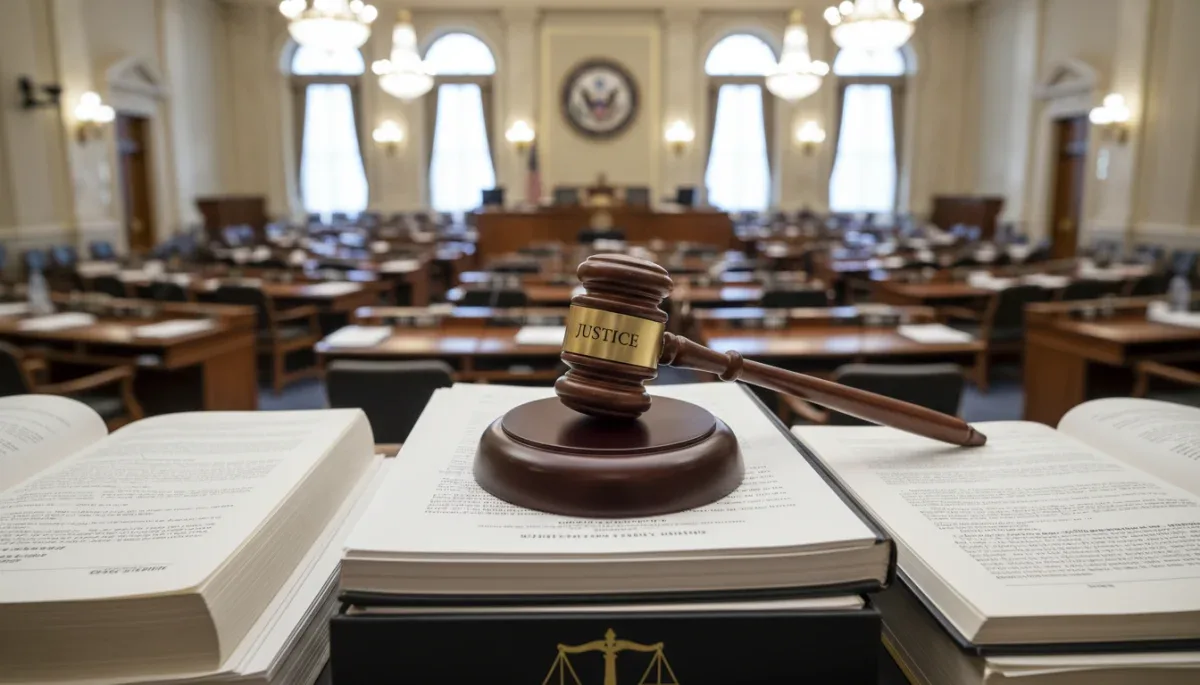

The political climate leading up to Spring 2026 will undoubtedly influence the tone and content of these hearings. With three seats at stake, the ideological balance of the Court could significantly shift, making these proceedings particularly contentious.
Potential Areas of Scrutiny
During the hearings, nominees will face a barrage of questions covering a wide range of topics. These inquiries are designed to reveal their judicial temperament, intellectual prowess, and adherence to legal principles.
- Constitutional Interpretation: How do they view originalism, living constitutionalism, or other interpretive methodologies?
- Judicial Precedent: Their stance on landmark Supreme Court decisions and the principle of stare decisis.
- Past Rulings and Writings: Examination of their previous judicial opinions, academic publications, and public statements.
- Personal History and Ethics: Questions regarding their background, potential conflicts of interest, and ethical conduct.
The hearings will serve as a crucial platform for senators to articulate their concerns and for the nominees to present themselves as impartial arbiters of justice. Public interest will be high, with media coverage providing extensive analysis of every exchange.
The Impact on the Supreme Court's Ideological Balance
The appointment of three new justices has the potential to dramatically reshape the Supreme Court's ideological composition, with far-reaching implications for future legal decisions. The current Court often sees closely divided rulings, and these new appointments could solidify a particular judicial philosophy for decades to come.
Depending on the ideological leanings of the confirmed nominees, key areas of law—from environmental regulations and voting rights to healthcare and civil liberties—could see significant shifts. This makes the selection of each nominee a strategic move, carefully calculated to align with the President's vision for the judiciary.
Potential Shifts in Key Legal Areas
A change in the Court's composition can lead to a re-evaluation of established legal precedents and a new direction for future cases. The impact of these judicial appointments supreme court will be felt across numerous domains.
- Constitutional Rights: Re-interpretation of rights related to privacy, speech, and religion.
- Regulatory Power: Changes in how federal agencies can regulate industries and enforce laws.
- Criminal Justice: New approaches to issues like due process, sentencing, and police powers.
- Social Issues: Potential shifts in rulings on matters such as reproductive rights, LGBTQ+ rights, and affirmative action.
The balance of power on the Supreme Court is a delicate one, and the addition of three new members is a monumental event. Legal scholars, activists, and policymakers will be closely watching the hearings for clues about the Court's future direction.
Public Reaction and Political Ramifications
The President's announcement of three new Supreme Court nominees has already sparked considerable public debate and political maneuvering. Such high-profile appointments invariably galvanize various interest groups, leading to widespread discussion and advocacy from both supporters and detractors.
Public reaction will be a crucial element in the confirmation process, with advocacy groups on all sides mobilizing to influence public opinion and pressure senators. The political ramifications extend far beyond the immediate confirmation, potentially impacting future elections and the broader legislative agenda.
Divisions and Unity
Supreme Court nominations often highlight deep ideological divisions within the country, but they can also occasionally foster bipartisan cooperation, particularly when nominees are perceived as exceptionally qualified or centrist. However, in the current polarized climate, intense debate is more likely.
The public's perception of the nominees' qualifications, judicial temperament, and political leanings will be heavily shaped by media coverage and the narratives put forth by various political factions. This will, in turn, influence the political calculus for senators facing re-election.
The political ramifications are significant, potentially affecting voter turnout in upcoming elections and influencing legislative priorities. The outcome of these judicial appointments supreme court hearings will not only determine the composition of the Court but also send a powerful message about the direction of American politics and legal thought.
Historical Context of Judicial Appointments
Understanding the historical context of judicial appointments provides valuable insight into the current situation. The process has evolved significantly over time, from relatively straightforward confirmations in the early republic to the highly politicized battles seen today. Each era has brought its own challenges and controversies, shaping the norms and expectations surrounding Supreme Court nominations.
From George Washington's initial appointments to the contentious hearings of the 20th and 21st centuries, the selection of Supreme Court justices has always been a reflection of the prevailing political and social climate. The current announcement of three new nominees follows a long tradition of presidents seeking to leave their indelible mark on the judiciary.
Evolution of the Confirmation Process
The confirmation process has undergone substantial changes, becoming increasingly rigorous and often partisan. Early confirmations were swift, often taking mere days, but modern processes can stretch for months, involving extensive scrutiny.
- Early Republic: Confirmations were typically quick and less contentious, often without formal hearings.
- 20th Century: The rise of televised hearings and increased media scrutiny brought more public awareness and political debate.
- Modern Era: Confirmations have become highly politicized, with nominees' judicial philosophies and past records thoroughly scrutinized by ideologically divided senators.
Examining past nominations, such as those of Justice Brandeis, Robert Bork, or Clarence Thomas, reveals the recurring themes of ideological conflict, debates over judicial activism, and the intense pressure faced by both nominees and senators. These historical precedents offer a lens through which to view the upcoming Spring 2026 hearings.
| Key Aspect | Brief Description |
|---|---|
| Number of Nominees | President announced three new Supreme Court nominees. |
| Hearing Timeline | Confirmation hearings are anticipated in Spring 2026. |
| Impact on Court | Potential to significantly shift the Supreme Court's ideological balance. |
| Process Overview | Involves presidential selection, Senate Judiciary Committee review, and full Senate vote. |
Frequently Asked Questions About Judicial Appointments
Why are Supreme Court judicial appointments so significant?▼Supreme Court judicial appointments are highly significant because justices serve lifetime terms, allowing them to shape legal interpretations and constitutional law for decades. Their decisions affect all aspects of American society, from civil liberties to economic regulations, making each nomination a profound event.
What is the typical timeline for a Supreme Court nomination and confirmation?▼The timeline can vary, but it typically involves several months. After the President announces a nominee, the Senate Judiciary Committee conducts thorough investigations and holds public hearings. Following a committee vote, the full Senate then votes on the confirmation, which can be a lengthy and contentious process.
How do these new nominations impact the ideological balance of the Court?▼The appointment of three new justices has the potential to significantly alter the Court's ideological balance. Depending on their judicial philosophies, these nominees could solidify a particular lean, influencing future rulings on critical issues like constitutional rights, regulatory power, and social policies for generations.
What role does the Senate Judiciary Committee play in the confirmation process?▼The Senate Judiciary Committee plays a crucial role by conducting initial investigations, holding extensive public hearings where nominees testify, and then voting on whether to recommend the nominee to the full Senate. This committee serves as the primary vetting body for judicial appointments.
What can the public expect during the Spring 2026 hearings?▼During the Spring 2026 hearings, the public can expect intense scrutiny of the nominees' legal backgrounds, judicial philosophies, and past rulings. Senators will ask detailed questions, and the proceedings will likely be widely televised, providing insights into how these individuals might interpret the Constitution and legal precedents.
Conclusion
The President's announcement of three new Supreme Court nominees marks a pivotal moment in American jurisprudence, setting the stage for transformative changes to the nation's highest court. With hearings slated for Spring 2026, the rigorous confirmation process will place each nominee under intense scrutiny, probing their judicial philosophies and past decisions. The outcomes of these judicial appointments supreme court nominations will undoubtedly reshape the Court's ideological balance, influencing landmark legal decisions for decades to come and leaving a lasting impact on American society. The public and political spheres alike will be closely watching as these crucial appointments unfold.