Mindful Tech: Enhanced Well-being in the USA
Advertisements

Implementing mindful tech practices in the USA involves conscious engagement with digital tools to foster improved mental health, reduce digital overload, and cultivate a more balanced relationship with technology for overall well-being.
In an era defined by constant digital connectivity, the quest for enhanced well-being often feels at odds with our tech-driven lives. This article delves into Beyond the Scroll: 5 Mindful Tech Practices for Enhanced Well-being in the USA, offering actionable strategies to transform our relationship with technology from one of passive consumption to active, intentional engagement.
Understanding the Digital Overload in the USA
The United States stands at the forefront of technological adoption, yet this pervasive connectivity often comes with a hidden cost: digital overload. From endless notifications to the constant pressure to be online, many Americans find themselves struggling to maintain mental clarity and focus amidst the digital din. Recognizing this challenge is the first step toward reclaiming our digital lives.
The Pervasiveness of Digital Devices
Smartphones, tablets, and computers have become extensions of ourselves, integral to work, communication, and entertainment. This integration, while convenient, blurs the lines between our online and offline existences, making it difficult to disconnect and truly recharge. The always-on culture can lead to increased stress and diminished attention spans.
Advertisements
- Constant notification alerts disrupt focus.
- Social media comparison breeds anxiety.
- Blurred work-life boundaries lead to burnout.
- Sleep patterns are often negatively impacted by screen time.
The sheer volume of information and interactions we process daily through our devices can be overwhelming. It’s not just about the time spent online, but the cognitive load these interactions place on our minds. This constant stimulation prevents our brains from entering states of rest and reflection, crucial for mental well-being.
Understanding the depth of this digital saturation is key to appreciating the necessity of mindful tech practices. It’s about acknowledging that technology, while powerful, requires conscious management to serve our well-being rather than detract from it. We must move beyond simply using technology to thoughtfully integrating it into our lives.
Practice 1: Digital Detox and Designated Offline Zones
One of the most impactful mindful tech practices is the strategic implementation of digital detox periods and the creation of designated offline zones within our homes. This isn’t about abandoning technology entirely, but rather about creating intentional boundaries that allow for mental respite and real-world engagement. The goal is to break the automatic habit of constantly checking devices.
Establishing Tech-Free Times
Setting specific times each day or week when you completely disconnect from digital devices can dramatically reduce mental clutter. This might mean no phones at the dinner table, an hour before bed, or even a full digital-free day on weekends. These periods allow your brain to reset and engage with your surroundings without digital distractions.
- Commit to no phone usage during meals.
- Implement a ‘digital sunset’ an hour before sleep.
- Dedicate one day a week to minimal or no screen time.
- Engage in hobbies that don’t require screens.
Beyond time-based boundaries, creating physical offline zones can further reinforce these habits. This could be a specific room in your house, like the bedroom, where phones and tablets are not allowed. By making certain spaces sacred and tech-free, you establish environments conducive to relaxation, reading, or face-to-face interaction.
The benefits extend beyond reduced screen time; these practices foster deeper connections with family and friends, improve sleep quality, and enhance overall presence. It’s about consciously choosing when and where technology serves you, rather than letting it dictate your every moment. This intentional withdrawal allows for a re-evaluation of your digital habits and a renewed appreciation for offline experiences.
Practice 2: Intentional Notification Management
Notifications are designed to grab our attention, often pulling us away from important tasks or moments of presence. Mastering intentional notification management is a cornerstone of mindful tech use. It involves taking control of when and how our devices demand our attention, rather than being at the mercy of every ping and buzz.
Auditing Your Notification Settings
Start by reviewing every app on your device and critically assessing which ones truly require immediate notifications. Many apps default to sending alerts for every minor update, most of which are non-essential. Disabling notifications for non-critical apps is a powerful step towards digital tranquility.
- Turn off all social media notifications.
- Disable email notifications unless absolutely necessary for work.
- Keep only essential communication apps (calls, texts) with sound alerts.
- Utilize ‘Do Not Disturb’ modes during focus periods or at night.
Beyond simply turning them off, consider grouping notifications or scheduling them to appear only at specific times. Many operating systems now offer features to deliver notifications in a summary, allowing you to check them at your convenience rather than being constantly interrupted. This shift from reactive to proactive engagement with notifications empowers you to control your focus.
The goal is to minimize interruptions and reclaim your attention span. By reducing the constant barrage of alerts, you create more space for deep work, uninterrupted conversations, and moments of quiet reflection. Intentional notification management is not just about silencing your phone; it’s about preserving your mental peace and cognitive bandwidth.
Practice 3: Cultivating Mindful Social Media Consumption
Social media platforms are powerful tools for connection and information, yet they can also be significant sources of anxiety, comparison, and time-sink. Cultivating mindful social media consumption means approaching these platforms with intention and awareness, ensuring they serve our well-being rather than detract from it.
Questioning Your Social Media Habits
Before opening an app, pause and ask yourself: Why am I doing this? Am I seeking connection, information, or simply escaping? Understanding your motivations can help you identify mindless scrolling patterns. Engage with platforms consciously, rather than habitually.
- Set daily time limits for social media apps.
- Unfollow accounts that trigger negative emotions or comparison.
- Actively seek out positive, inspiring, and informative content.
- Engage thoughtfully, rather than passively consuming feeds.
Consider the content you consume and how it makes you feel. If certain accounts or types of content consistently leave you feeling drained, anxious, or inadequate, it’s time to curate your feed more carefully. Your social media environment should ideally be a source of positivity and genuine connection, not a breeding ground for self-doubt.
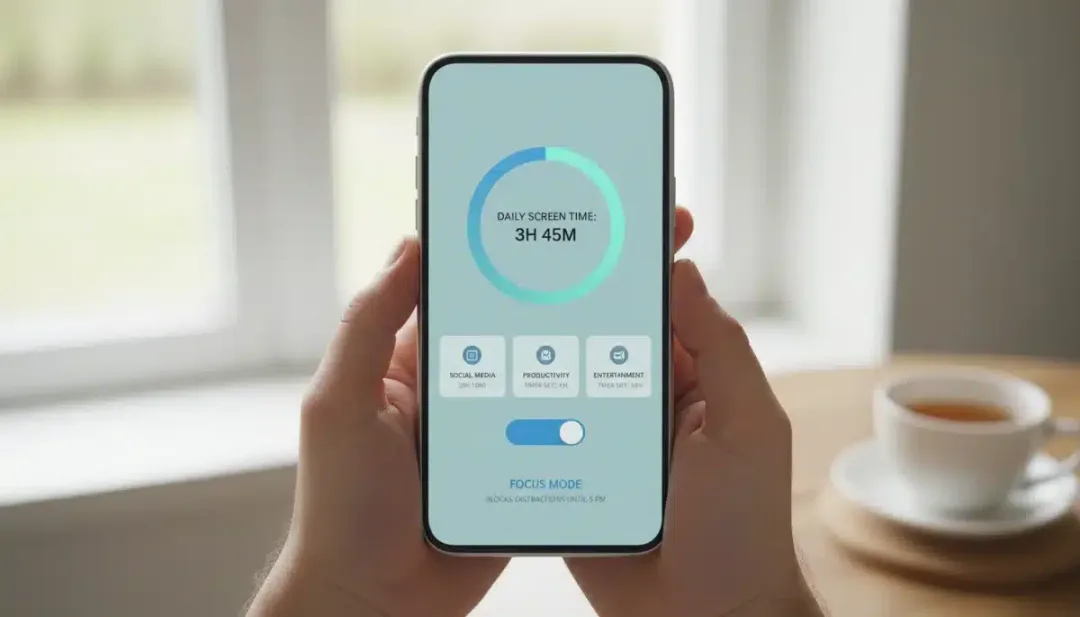
Furthermore, practice conscious disengagement. Instead of endlessly scrolling, decide on a specific purpose for visiting a platform, achieve it, and then close the app. This could be checking a specific friend’s update, sharing a post, or looking for specific information. Mindful social media consumption transforms a potentially detrimental habit into a tool used with purpose and self-awareness.
Practice 4: Leveraging Tech for Mindfulness and Focus
While technology often distracts, it can also be a powerful ally in cultivating mindfulness and enhancing focus. This practice involves intentionally using apps and digital tools that support mental well-being, rather than merely consuming content. It’s about turning the tables and having technology work for your benefit.
Utilizing Mindfulness Apps and Tools
Numerous applications are designed to guide meditation, promote relaxation, and track mindfulness practices. These can be excellent resources for beginners and experienced practitioners alike. They offer structured exercises, calming sounds, and guided visualizations that can help reduce stress and improve mental clarity.
- Explore meditation apps like Calm or Headspace.
- Use focus timers (e.g., Pomodoro apps) to structure work periods.
- Track your mood and habits with digital journaling apps.
- Utilize blue light filters on devices to improve sleep hygiene.
Beyond dedicated mindfulness apps, other tech tools can aid focus. Website blockers can prevent distractions during work periods, while digital well-being dashboards (often built into operating systems) provide insights into screen time, helping you identify and manage usage patterns. These tools provide objective data that can inform your mindful tech journey.
The key is intentionality. Instead of passively allowing technology to consume your time, actively seek out and integrate tools that enhance your well-being. This proactive approach transforms your device from a potential source of distraction into a personal assistant for mental clarity and productivity. It demonstrates that technology can indeed be a force for good in our pursuit of mindfulness.
Practice 5: Regular Digital Self-Audits and Reflection
The digital landscape is constantly evolving, and so should our relationship with it. Regular digital self-audits and reflection are crucial for maintaining mindful tech practices over time. This involves periodically assessing your tech habits, recognizing patterns, and making necessary adjustments to ensure your digital life aligns with your well-being goals.
Scheduled Check-ins with Your Digital Self
Just as you might conduct a physical health check-up, schedule regular ‘digital check-ins.’ This could be weekly or monthly, where you review your screen time reports, reflect on your feelings about your tech use, and identify areas for improvement. This reflective process is key to sustainable change.
- Review weekly screen time reports on your device.
- Note how different apps or online activities make you feel.
- Identify any new tech habits that might be detrimental.
- Adjust notification settings, app limits, or offline zones as needed.
Ask yourself critical questions: Am I spending time online in ways that truly serve me? Are my tech habits contributing to my goals or hindering them? Am I feeling overwhelmed or energized by my digital interactions? Honest answers to these questions provide valuable insights into necessary changes.
This practice fosters a dynamic and adaptive approach to technology. It acknowledges that what works one month might not work the next, and that mindful tech use is an ongoing journey of awareness and adjustment. By regularly reflecting on your digital life, you empower yourself to maintain a healthy, balanced, and intentional relationship with technology, ensuring it remains a tool for enhanced well-being.
| Mindful Practice | Benefit for Well-being |
|---|---|
| Digital Detox | Reduces mental clutter, improves sleep, fosters real-world connections. |
| Notification Management | Enhances focus, reduces interruptions, preserves cognitive bandwidth. |
| Mindful Social Media | Reduces anxiety, fosters positive connections, curates a healthy feed. |
| Tech for Mindfulness | Utilizes apps for meditation, focus, and mental clarity. |
Frequently Asked Questions About Mindful Tech
What is mindful tech and why is it important in the USA?▼Mindful tech refers to using technology with intention and awareness to support well-being. In the USA, where digital consumption is high, it’s crucial for combating digital overload, reducing stress, and fostering a healthier balance between online and offline life, enhancing overall mental health.
How can I start a digital detox without feeling disconnected?▼Start small, perhaps with an hour before bed or during meals. Communicate your intentions to close friends and family so they understand. Focus on engaging in offline activities you enjoy, like reading, hobbies, or face-to-face conversations, to fill the void and feel connected in different ways.
Are there specific apps that help with mindful tech practices?▼Yes, many apps can assist. Mindfulness apps like Calm and Headspace offer guided meditations. Focus apps like Forest or Pomodoro timers help manage work sessions. Digital well-being features built into iOS and Android provide screen time tracking and app limits, aiding in self-monitoring.
How often should I perform a digital self-audit?▼A digital self-audit is most effective when done regularly, perhaps weekly or monthly. This allows you to track changes in your tech habits, assess your emotional responses to digital interactions, and make timely adjustments to your notification settings, app usage, and offline boundaries to maintain balance.
What are the immediate benefits of implementing mindful tech practices?▼Immediate benefits include reduced feelings of overwhelm, improved focus and concentration, better sleep quality, and increased presence in daily life. Over time, these practices contribute to lower stress levels, enhanced mental clarity, and a more fulfilling relationship with both technology and your surroundings.
Conclusion
Embracing mindful tech practices is not about rejecting technology, but rather about integrating it into our lives with intention and awareness. In the fast-paced digital landscape of the USA, these five strategies—digital detox, intentional notification management, mindful social media consumption, leveraging tech for mindfulness, and regular self-audits—offer a powerful pathway to enhanced well-being. By consciously shaping our digital habits, we can transform our relationship with technology from one of passive consumption to active empowerment, fostering a more balanced, focused, and fulfilling life.