Pentagon's $10B Cyber Warfare Readiness Plan for 2026
Advertisements
The Pentagon is investing $10 billion by 2026 in new strategies to enhance its Cyber Warfare Readiness, aiming to secure critical infrastructure and military networks against sophisticated digital attacks.
The landscape of modern conflict is rapidly evolving, with digital battlegrounds becoming as critical as physical ones. In response, the Pentagon is unveiling aggressive new strategies and a substantial investment of 10 billion for 2026, fundamentally reshaping its Cyber Warfare Readiness. This isn't merely an upgrade; it's a strategic pivot designed to preempt, defend, and respond to the increasingly sophisticated cyber threats targeting national security.
Understanding the Evolving Cyber Threat Landscape
The digital realm presents a constant, invisible battlefield where state-sponsored actors, sophisticated criminal organizations, and even individual hackers continually probe defenses. The nature of cyber warfare has shifted from simple data breaches to complex, multi-vector attacks capable of crippling critical infrastructure, disrupting military operations, and undermining national confidence.
Recognizing this escalating danger, the Pentagon's new approach emphasizes proactive defense and resilient systems. It acknowledges that traditional perimeter defenses are no longer sufficient against adversaries who are constantly innovating their attack methodologies. This necessitates a dynamic and adaptive strategy that evolves as quickly as the threats themselves.
Advertisements
The Rise of Advanced Persistent Threats (APTs)
Advanced Persistent Threats (APTs) represent a significant challenge. These are highly sophisticated, long-term cyberattacks where an intruder establishes an undetected presence in a network to steal sensitive data over a prolonged period. They often employ a combination of techniques to achieve their goals.
- Stealth and Evasion: APTs are designed to remain undetected, often mimicking legitimate network traffic.
- Targeted Attacks: They focus on specific high-value targets, such as government agencies or critical infrastructure.
- Resource Intensive: APTs are typically backed by well-funded organizations, often state-sponsored, with significant resources.
- Long-Term Objectives: Unlike common malware, APTs aim for sustained access and data exfiltration rather than quick disruption.
The Pentagon's strategies are specifically designed to counter these advanced threats by enhancing intelligence gathering, improving threat detection, and developing rapid response capabilities. The goal is to identify and neutralize APTs before they can inflict significant damage, shifting from a reactive posture to a more predictive one.
This comprehensive understanding of the threat landscape forms the bedrock of the Pentagon's new investment. It's not just about buying new hardware; it's about fostering a culture of cybersecurity, investing in human capital, and developing cutting-edge technologies to stay ahead of the curve.

Strategic Investments: Where $10 Billion Will Go
The allocation of $10 billion for Cyber Warfare Readiness by 2026 is a clear signal of the Pentagon's commitment to securing its digital frontiers. This substantial investment will be channeled into several key areas, each designed to bolster different facets of cyber defense and offense. The goal is to build a robust, multi-layered defense system that can withstand and respond to any digital aggression.
A significant portion of the funds will go towards advanced research and development. This includes exploring emerging technologies like quantum-safe cryptography, artificial intelligence (AI) for threat detection, and machine learning (ML) for predictive analytics. These technologies are crucial for staying ahead of adversaries who are also leveraging similar advancements.
Key Investment Areas
The strategic deployment of these funds will focus on strengthening critical infrastructure, enhancing offensive capabilities, and fostering international partnerships.
- Cyber Talent Acquisition and Training: Investing in recruiting, training, and retaining top cybersecurity talent. This includes scholarships, specialized academies, and competitive compensation packages to attract the best minds.
- Advanced Threat Detection and Response Systems: Developing and deploying next-generation sensors, analytics platforms, and automated response tools to identify and mitigate threats in real-time.
- Secure Network Infrastructure: Modernizing and fortifying existing military networks, cloud environments, and critical control systems to make them more resilient against attacks.
- Offensive Cyber Capabilities: Enhancing the ability to conduct offensive cyber operations to deter adversaries, disrupt their attacks, and protect national interests.
Beyond technology, the investment also covers extensive training programs for military personnel, ensuring that every soldier, sailor, airman, and marine understands their role in maintaining cyber hygiene. This holistic approach ensures that both human and technological elements are optimized for maximum effectiveness against digital threats.
The strategic allocation underscores a proactive stance, moving beyond simply reacting to threats to actively shaping the cyber battlespace. This comprehensive investment aims not just to protect, but to establish a dominant position in cyber warfare.
New Strategies for Enhanced Cyber Defense
The Pentagon's new strategies extend beyond merely throwing money at the problem; they represent a fundamental shift in how the nation approaches cyber defense. These strategies are built on principles of agility, resilience, and collaboration, moving away from static defenses towards a more dynamic and adaptive security posture. The aim is to create a digital ecosystem that can self-heal and adapt to novel attacks.
One core component is the concept of "active defense," which involves not just blocking attacks but also proactively hunting for threats within networks and disrupting adversary operations before they can cause harm. This requires sophisticated intelligence gathering and analysis, coupled with the ability to act decisively and rapidly.
Key Strategic Pillars
These pillars are designed to create a comprehensive and integrated defense system that can operate effectively across all domains.
- Zero Trust Architecture: Implementing a security model that assumes no user or device should be trusted by default, regardless of whether they are inside or outside the network perimeter. Every access attempt is verified.
- Information Sharing and Collaboration: Fostering stronger partnerships with intelligence agencies, allied nations, and private sector cybersecurity firms to share threat intelligence and best practices.
- Cyber Resilience and Redundancy: Building systems that can continue to operate even when under attack, incorporating redundant systems and alternative communication channels.
- Continuous Monitoring and Evaluation: Establishing constant surveillance of networks and systems, coupled with regular vulnerability assessments and penetration testing to identify and address weaknesses.
These strategies also emphasize the importance of human factors, recognizing that even the most advanced technology can be compromised by human error. Extensive training, awareness programs, and strict adherence to security protocols are integral to the overall defense plan. The Pentagon is creating a culture where cybersecurity is everyone's responsibility, from the highest-ranking officer to the newest recruit.
By integrating these strategic pillars, the Pentagon seeks to build a formidable defense that is not only robust but also capable of evolving and adapting to the ever-changing threat landscape. This proactive and integrated approach is essential for maintaining national security in the digital age.
The Role of Artificial Intelligence and Machine Learning
Artificial Intelligence (AI) and Machine Learning (ML) are set to play a transformative role in the Pentagon's Cyber Warfare Readiness initiatives. These technologies offer unprecedented capabilities for automating threat detection, accelerating response times, and predicting future attack vectors. The $10 billion investment will heavily fund the integration of AI/ML into various aspects of cyber defense and offense.
AI algorithms can analyze vast quantities of data from network traffic, system logs, and threat intelligence feeds far more quickly and accurately than human analysts. This allows for the identification of subtle anomalies and patterns that could indicate a nascent cyberattack, enabling preemptive action. Machine learning models can also adapt and learn from new threats, continuously improving their detection capabilities.
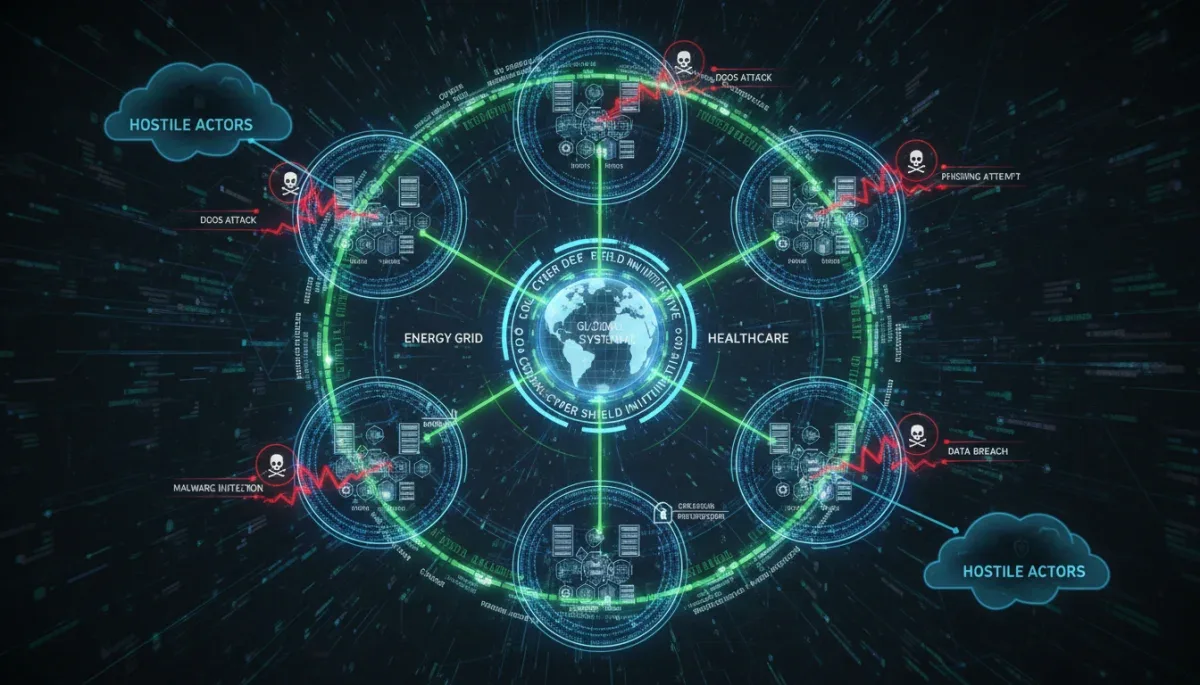
AI-Driven Cyber Capabilities
The application of AI and ML extends across the entire spectrum of cyber warfare, from defensive measures to offensive operations.
- Automated Threat Hunting: AI can continuously scan networks for indicators of compromise, identifying malicious activity that might bypass traditional security tools.
- Predictive Analytics: ML models can forecast potential attack trends and vulnerabilities based on historical data and global threat intelligence, allowing for proactive patch deployment and defense enhancements.
- Rapid Incident Response: AI-powered systems can automate parts of the incident response process, such as isolating compromised systems, analyzing malware, and recommending remediation steps, significantly reducing downtime.
- Enhanced Situational Awareness: AI can aggregate and visualize complex threat data, providing commanders with a clear, real-time understanding of the cyber battlespace.
However, the integration of AI/ML also presents challenges, including the need for robust data governance, ethical considerations, and the risk of AI systems being exploited by adversaries. The Pentagon is investing in secure AI development and deployment, ensuring that these powerful tools enhance security without introducing new vulnerabilities.
By leveraging AI and ML, the Pentagon aims to create a highly intelligent and adaptive cyber defense system that can operate at machine speed, a crucial advantage in the fast-paced world of cyber warfare. This technological leap is central to achieving superior Cyber Warfare Readiness by 2026.
International Collaboration and Information Sharing
Cyber warfare recognizes no borders, making international collaboration an indispensable component of the Pentagon's new strategies. The $10 billion investment isn't solely for internal development; a significant portion will support initiatives aimed at strengthening partnerships with allied nations and international organizations. This collaborative approach enhances collective security and provides a broader perspective on global cyber threats.
Sharing threat intelligence, best practices, and technological advancements with allies creates a more robust global defense network. Adversaries often operate across multiple national boundaries, and a unified international front is essential to track, identify, and neutralize these threats effectively. Joint exercises and training programs also foster interoperability and mutual understanding among allied cyber forces.
Benefits of Global Cyber Alliances
These alliances provide a multi-faceted approach to addressing the pervasive nature of cyber threats.
- Shared Intelligence: Allies can pool resources and intelligence to gain a more complete picture of global cyber threats, including the tactics, techniques, and procedures (TTPs) of state-sponsored actors.
- Coordinated Defense: Joint operations and coordinated responses can enhance the effectiveness of defensive measures, preventing attacks from spreading across international networks.
- Capacity Building: More advanced nations can assist developing allies in building their cyber defense capabilities, strengthening the overall global cybersecurity posture.
- Deterrence: A strong, unified international front sends a clear message to potential adversaries, enhancing deterrence against cyber aggression.
The Pentagon's focus on international collaboration also extends to working with the private sector on a global scale. Many critical technologies and much of the expertise in cybersecurity reside within private companies. By fostering public-private partnerships, the Pentagon can leverage cutting-edge innovations and share valuable insights, creating a more resilient and interconnected defense ecosystem.
This emphasis on global cooperation underscores the understanding that cyber warfare is a collective challenge requiring a collective solution. The investment in international collaboration is a strategic move to build a more secure and stable digital world, enhancing the Cyber Warfare Readiness of not only the United States but also its allies.
Looking Ahead: The Future of Cyber Warfare Readiness
The Pentagon's detailed strategies and $10 billion investment for 2026 mark a critical juncture in the evolution of national security. This forward-looking approach recognizes that the future of warfare is inextricably linked to the digital domain, demanding continuous adaptation and innovation. The goal is to establish a state of perpetual readiness, where defenses are always evolving and capabilities are always being refined.
Beyond 2026, the Pentagon anticipates a continued escalation in the sophistication of cyber threats. This necessitates a long-term vision that incorporates emerging technologies, anticipates future attack vectors, and fosters a workforce capable of navigating an increasingly complex digital landscape. The current investment is not an endpoint but a foundational step towards enduring cyber superiority.
Anticipating Future Challenges
To maintain its edge, the Pentagon is already considering future challenges and opportunities.
- Quantum Computing Threats: Preparing for the advent of quantum computers that could break current encryption standards, necessitating the development of quantum-resistant cryptography.
- Space-based Cyber Warfare: Addressing the growing vulnerability of satellite systems and other space assets to cyberattacks.
- Biometric and IoT Security: Securing an increasingly interconnected world where Internet of Things (IoT) devices and biometric data present new attack surfaces.
- Cognitive Warfare: Countering disinformation campaigns and psychological operations conducted through digital channels.
The emphasis will remain on agility and adaptability. The Pentagon understands that the cyber domain is characterized by rapid change, and success hinges on the ability to anticipate, innovate, and respond faster than adversaries. This includes fostering a culture of continuous learning and experimentation, embracing new technologies, and refining strategies based on real-world intelligence and simulated exercises.
Ultimately, the Pentagon's commitment to Cyber Warfare Readiness is about safeguarding national security, protecting critical infrastructure, and ensuring the continued ability to operate effectively in a digitally dependent world. The $10 billion investment for 2026 is a testament to this unwavering commitment, laying the groundwork for a secure and resilient digital future.
| Key Focus Area | Brief Description |
|---|---|
| Strategic Investment | $10 billion allocated by 2026 to enhance cyber defense. |
| Threat Landscape | Addressing advanced persistent threats (APTs) and evolving digital attacks. |
| AI/ML Integration | Leveraging AI and Machine Learning for automated threat detection and response. |
| Global Collaboration | Strengthening alliances and information sharing with international partners. |
Frequently Asked Questions About Cyber Warfare Readiness
What is the primary goal of the Pentagon's $10 billion investment?▼The primary goal is to significantly enhance the Pentagon's Cyber Warfare Readiness by 2026. This involves developing advanced defense and offensive capabilities, securing critical infrastructure, and fostering a robust cybersecurity posture against evolving digital threats. It's a comprehensive strategy for national digital security.
How will AI and Machine Learning contribute to cyber defense?▼AI and ML will be crucial for automating threat detection, enabling predictive analytics, and accelerating incident response. These technologies can analyze vast data sets to identify anomalies and patterns indicative of attacks, providing a significant advantage in the rapid-paced cyber battlespace. They enhance real-time decision-making.
What are Advanced Persistent Threats (APTs) and why are they a concern?▼APTs are sophisticated, long-term cyberattacks designed for undetected presence and data exfiltration over extended periods. They concern the Pentagon due to their stealth, targeted nature, and potential to compromise critical systems for strategic intelligence gathering or sabotage, posing a severe threat to national security.
How does international collaboration fit into the new strategies?▼International collaboration is vital for sharing threat intelligence, coordinating defenses, and building collective cybersecurity capacity with allies. Cyber threats are global, and a unified international front is essential to track, identify, and neutralize adversaries operating across borders, enhancing overall deterrence and response capabilities.
What future challenges is the Pentagon preparing for beyond 2026?▼Beyond 2026, the Pentagon is preparing for threats from quantum computing, space-based cyber warfare, vulnerabilities in IoT and biometric systems, and cognitive warfare. These anticipated challenges require continuous research, development, and strategic adaptation to maintain a leading edge in the rapidly evolving cyber domain.
Conclusion
The Pentagon's robust commitment to Cyber Warfare Readiness, underscored by a substantial $10 billion investment by 2026, reflects a clear understanding of the evolving global threat landscape. Through strategic allocations, advanced technological integration, and strengthened international partnerships, the United States is poised to fortify its digital defenses and maintain a proactive stance against sophisticated cyber adversaries. This comprehensive strategy is not merely about protecting networks; it is about securing national interests, ensuring operational continuity, and preserving stability in an increasingly interconnected and digitally dependent world.