2026 Social Media Impact on Mental Health: Digital Detox Strategies
Advertisements
The 2026 impact of social media on mental health reveals a critical need for digital detox strategies to safeguard individual well-being and foster a healthier digital existence.
The landscape of digital interaction is constantly evolving, and by 2026, the discussion around The 2026 Impact of Social Media on Mental Health: 4 Strategies for Digital Detox has become more urgent than ever. As our lives become increasingly intertwined with online platforms, understanding and addressing their effects on our well-being is paramount. This article delves into the contemporary challenges and offers practical approaches to navigate the digital world more mindfully.
Understanding the evolving digital landscape in 2026
By 2026, social media platforms have further integrated into the fabric of daily life, extending beyond mere communication to influence everything from consumer behavior to self-perception. The algorithms have become more sophisticated, designed to maximize engagement, often at the expense of user well-being. This pervasive presence creates a constant stream of information and comparison, which can significantly impact mental health.
The sheer volume of content, coupled with the pressure to maintain an idealized online persona, contributes to heightened anxiety and feelings of inadequacy. As we navigate this complex digital environment, recognizing the subtle and overt ways social media shapes our mental state is the first step toward reclaiming control.
Advertisements
Algorithmic influence on mood and perception
The personalized feeds we encounter daily are not random; they are meticulously curated by advanced algorithms. These algorithms learn our preferences, biases, and vulnerabilities, then feed us content designed to keep us scrolling. While this can sometimes be beneficial, it often leads to echo chambers and exposure to content that might trigger negative emotions, such as envy, fear, or inadequacy.
- Personalized echo chambers: Algorithms reinforce existing beliefs, limiting exposure to diverse perspectives.
- Engagement maximization: Content designed to provoke strong emotional responses often gets higher visibility.
- Comparison culture: Constant exposure to curated 'perfect' lives can lead to feelings of self-doubt.
Moreover, the dopamine hits associated with likes and notifications create a reward system that can foster addictive behaviors. This constant pursuit of external validation can erode intrinsic self-worth and shift focus from real-world experiences to digital approval.
The rise of immersive digital experiences
Beyond traditional social media, 2026 sees the proliferation of highly immersive digital environments, including augmented and virtual reality platforms that blend physical and digital realities. While offering novel ways to connect and experience, these technologies also introduce new challenges for mental health. The boundaries between online and offline life become increasingly blurred, making it harder to disengage and find true respite from digital demands.
In conclusion, the 2026 digital landscape is one of unprecedented connection and complexity. Understanding its intricate mechanisms and potential pitfalls is essential for individuals seeking to maintain mental well-being in an increasingly digitized world. The need for conscious engagement and periodic disconnection has never been greater.
The profound impact on mental well-being
The pervasive nature of social media in 2026 has undeniable effects on our mental well-being, manifesting in various forms from increased anxiety to profound feelings of loneliness. While designed to connect us, these platforms can paradoxically isolate individuals, fostering a sense of not being enough or missing out. This constant pressure cooker of digital interaction requires careful navigation to protect one's psychological health.
Research continues to highlight the correlation between excessive social media use and a decline in self-esteem, particularly among younger demographics. The curated realities presented online often create unrealistic expectations, leading to dissatisfaction with one's own life and circumstances.
Anxiety and depression in the digital age
One of the most significant concerns stemming from intense social media engagement is the rise in anxiety and depressive symptoms. The fear of missing out (FOMO) keeps individuals tethered to their devices, constantly checking for updates, which can disrupt sleep patterns and heighten stress levels. Cyberbullying, a persistent issue, also contributes significantly to mental distress, leading to feelings of helplessness and isolation.
- Increased FOMO: The constant stream of friends' activities can generate anxiety about missing out on experiences.
- Sleep disruption: Blue light exposure and late-night scrolling interfere with natural sleep cycles.
- Cyberbullying prevalence: Online harassment has severe consequences for mental health, often leading to depression and suicidal thoughts.
The pressure to present a perfect life online can also be a significant source of stress. Individuals spend considerable time curating their online personas, leading to a disconnect between their authentic selves and their digital representations. This can contribute to feelings of inauthenticity and emotional exhaustion.
Erosion of self-esteem and body image issues
Social media platforms are rife with highly filtered and edited images, setting impossible standards for beauty and success. This constant exposure can severely impact self-esteem and contribute to body image issues, particularly among adolescents. The comparison trap is powerful, leading many to feel inadequate when contrasting their unfiltered lives with the idealized versions presented online.
In summary, the mental health implications of social media in 2026 are multifaceted and profound. From fostering anxiety and depression to eroding self-esteem, the digital world presents significant challenges. Recognizing these impacts is crucial for developing effective coping mechanisms and fostering a healthier relationship with technology.

Strategy 1: setting clear digital boundaries
Establishing clear digital boundaries is a foundational step in mitigating the negative impact of social media on mental health. This strategy involves consciously defining when, where, and how you engage with digital platforms, rather than allowing technology to dictate your habits. It's about creating intentional space for offline life and protecting your mental energy from constant digital demands.
The goal is not necessarily complete abstinence but rather mindful consumption. By setting limits, you regain control over your time and attention, reducing the likelihood of falling into endless scrolling or becoming overwhelmed by digital notifications. This proactive approach helps to cultivate a healthier, more balanced relationship with technology.
Defining screen-free zones and times
One effective way to set digital boundaries is by designating specific screen-free zones and times within your day and home. This could mean no phones at the dinner table, no screens in the bedroom, or a complete digital shutdown during certain hours. These physical and temporal boundaries help to create mental separation from the digital world, allowing for genuine rest and connection.
- Bedroom as a sanctuary: Keep all devices out of the bedroom to improve sleep quality.
- Mealtime mindfulness: Engage fully with meals and conversations without digital distractions.
- Morning and evening buffer zones: Avoid social media for the first and last hour of your day.
The consistent application of these rules sends a clear signal to your brain that certain times and places are reserved for non-digital activities. This helps to break the habitual urge to check devices and fosters a greater sense of presence in the moment.
Managing notifications and app usage
Notifications are designed to pull your attention, creating a constant sense of urgency. Taking control of your notifications is a powerful boundary-setting technique. This might involve turning off all non-essential notifications, grouping apps, or scheduling specific times to check social media. The aim is to reduce interruptions and prevent platforms from constantly demanding your attention.
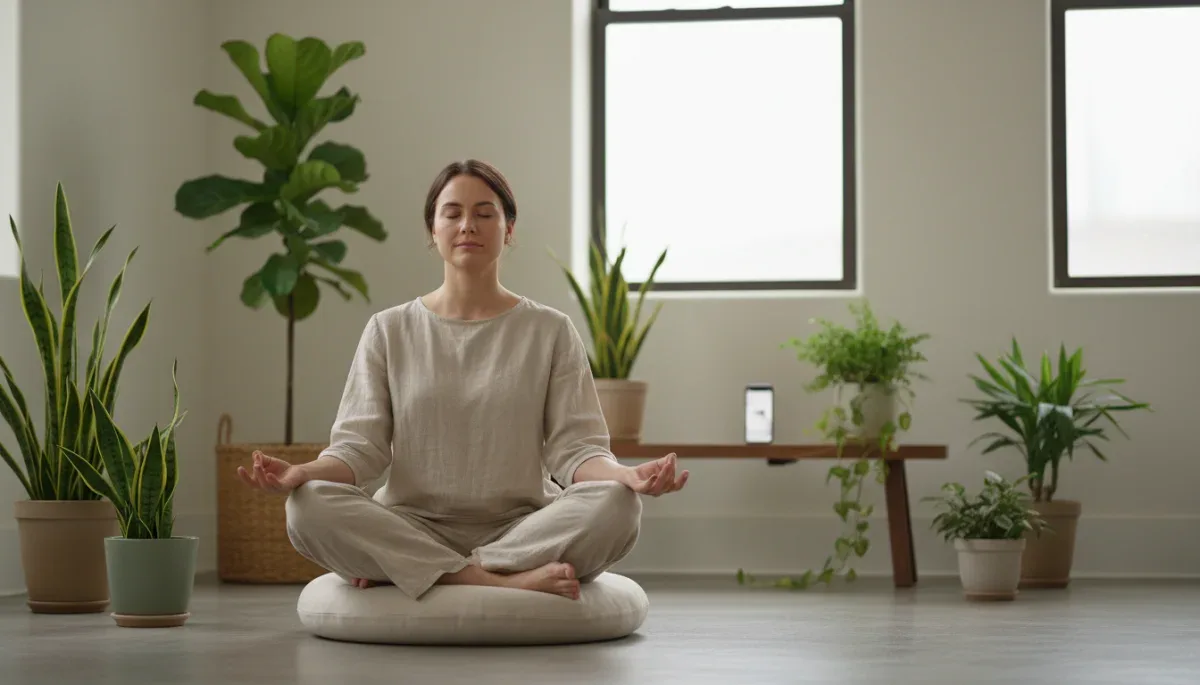

Furthermore, evaluating your app usage and deleting those that contribute negatively to your mental health can be incredibly liberating. Consider whether each app truly adds value to your life or primarily serves as a source of distraction or comparison. Setting clear digital boundaries empowers you to reclaim your time and focus, fostering a more intentional and mentally healthy existence.
Strategy 2: cultivating mindful social media use
Beyond simply setting boundaries, cultivating mindful social media use involves a deeper, more intentional approach to how we engage with platforms. This strategy encourages users to be present, observant, and critical of their online interactions, rather than passively consuming content. It's about transforming a potentially detrimental habit into a conscious practice that supports, rather than detracts from, mental well-being.
Mindfulness in this context means paying attention to the 'why' and 'how' of your social media engagement. Are you scrolling out of boredom, anxiety, or genuine interest? Are you comparing yourself to others, or are you genuinely connecting? Asking these questions can illuminate patterns and prompt healthier choices.
Engaging with purpose and intention
Before opening a social media app, pause and ask yourself: what is my intention? Am I looking to connect with a specific person, learn something new, or simply pass time? Having a clear purpose can prevent aimless scrolling and ensure your time online is spent productively or meaningfully. If there's no clear intention, consider if engaging at that moment is truly beneficial.
- Define your goal: Before logging in, identify what you hope to achieve.
- Curate your feed: Unfollow accounts that trigger negative emotions or comparisons.
- Limit consumption: Use timers or app limits to control duration of use.
This intentional approach extends to the content you post as well. Consider the impact of your own contributions and strive to share content that is authentic, positive, or thought-provoking, rather than solely seeking validation.
Practicing digital self-awareness
Digital self-awareness involves regularly checking in with yourself about how social media makes you feel. Do you feel energized or drained after a session? Are you inspired or disheartened? Noticing these emotional shifts is crucial for understanding your personal relationship with social media and making necessary adjustments.
Tools like screen time reports on smartphones can offer valuable insights into your usage patterns, helping you identify areas where you might be over-engaging. Use this data not as a judgment, but as information to inform more mindful choices. Cultivating mindful social media use transforms a potentially passive and harmful activity into an active, conscious engagement that supports your overall mental wellness.
Strategy 3: fostering real-world connections
In an age dominated by digital interactions, actively fostering real-world connections is a vital strategy for counteracting the isolating effects of social media and enhancing mental well-being. While online platforms offer a sense of connection, they often lack the depth and nuance of face-to-face interactions, which are crucial for genuine human bonding and emotional support. Prioritizing in-person relationships helps to ground individuals in their physical communities and provides a powerful antidote to digital fatigue.
True connection involves shared experiences, non-verbal cues, and the mutual exchange of empathy that is often lost in purely digital communication. Reinvesting time and energy into these bonds can significantly boost mood, reduce feelings of loneliness, and build a stronger support system.
Prioritizing in-person interactions
Make a conscious effort to schedule and participate in activities that involve face-to-face interaction. This could be anything from sharing a meal with friends, joining a local club, volunteering, or simply having a meaningful conversation with a family member. These interactions provide a sense of belonging and validation that digital likes and comments often cannot replicate.
- Schedule meetups: Actively plan gatherings with friends and family.
- Join local groups: Engage in community activities or hobbies that involve others.
- Practice active listening: Be fully present during conversations, putting away devices.
The quality of these interactions is more important than the quantity. Focus on building deeper relationships with a few trusted individuals rather than maintaining superficial connections with many online acquaintances.
Engaging in offline hobbies and activities
Dedicating time to offline hobbies and activities that bring joy and fulfillment can also significantly strengthen real-world connections and reduce reliance on social media. Whether it's hiking, painting, reading, gardening, or playing a sport, these activities provide opportunities for personal growth, stress reduction, and often, shared experiences with others. When you engage in activities you truly enjoy, you naturally attract like-minded individuals, fostering authentic connections.
By consciously choosing to invest in real-world connections and offline pursuits, individuals can build a more robust and resilient support network. This strategy not only diminishes the pull of social media but also enriches life with meaningful experiences and genuine human interaction, leading to improved mental wellness.
Strategy 4: embracing digital detox challenges
Embracing digital detox challenges is a proactive and often transformative strategy for individuals seeking to reset their relationship with social media and improve their mental health. These challenges involve periods of intentional disconnection from digital devices and platforms, ranging from a few hours to several days or even weeks. The goal is to break habitual patterns, reduce digital dependency, and rediscover the joys of an unplugged existence.
A digital detox is not about permanently abandoning technology, but rather about creating a conscious pause. This pause allows individuals to reflect on their usage habits, observe the psychological effects of constant connectivity, and ultimately, build a more intentional and healthier digital lifestyle upon returning to online engagement.
Short-term digital breaks
Starting with short-term digital breaks can be an effective way to ease into a detox. This might involve dedicating one day a week to being completely offline, or even just a few hours each evening. These small, consistent breaks help to gradually reduce reliance on devices and build confidence in your ability to disconnect.
- Weekend unplug: Designate one weekend day as completely screen-free.
- Evening shutdown: Turn off all devices after a certain time each night.
- Digital sabbath: Observe a 24-hour period of digital abstinence once a week.
During these breaks, engage in activities that nourish your mind and body, such as reading a physical book, spending time in nature, pursuing a creative hobby, or connecting with loved ones without digital distractions. The key is to fill the void left by social media with enriching, real-world experiences.
Extended digital sabbaticals
For those ready for a more profound reset, an extended digital sabbatical can be incredibly beneficial. This involves taking a longer break, perhaps a full week or even a month, from all social media platforms and non-essential digital communication. Such an immersive experience allows for a deeper introspection and a more complete detachment from digital pressures.
During an extended sabbatical, many individuals report significant improvements in sleep quality, concentration, mood, and overall sense of well-being. It provides an opportunity to reconnect with oneself, discover new interests, and strengthen personal relationships without the constant pull of the digital world. Embracing digital detox challenges, whether short or extended, is a powerful step towards fostering a healthier mental landscape in the digital age.
The long-term benefits of a digital detox
Embarking on a digital detox, even a brief one, can yield profound and lasting benefits for mental wellness. The cumulative effect of these strategic disconnections extends far beyond the immediate relief of being unplugged. Over time, individuals who regularly practice digital detox strategies often report significant improvements in various aspects of their lives, leading to a more balanced, focused, and emotionally resilient existence in the long run.
These benefits are not merely anecdotal; they are increasingly supported by research indicating positive changes in brain function, stress response, and interpersonal relationships. The brain, freed from constant digital stimulation, can re-engage with deeper thought processes and creative pursuits. This sustained break allows for a recalibration of attention and emotional regulation.
Improved focus and concentration
One of the most immediate and impactful long-term benefits of a digital detox is a noticeable improvement in focus and concentration. Constant switching between apps and notifications trains the brain for distraction, making sustained attention difficult. By reducing this digital noise, individuals can retrain their brains to concentrate for longer periods on single tasks, enhancing productivity and learning capabilities.
- Enhanced task completion: Reduced distractions lead to more efficient work and study habits.
- Deeper engagement: Ability to immerse fully in books, conversations, and creative projects.
- Mental clarity: A less cluttered digital environment often results in clearer thinking and problem-solving.
This renewed capacity for focus extends beyond work or study; it also enriches personal experiences, allowing for deeper engagement with hobbies, nature, and personal relationships. The ability to be fully present becomes a natural outcome of regular digital disengagement.
Enhanced emotional well-being and relationships
Another significant long-term benefit is a marked improvement in emotional well-being and the quality of real-world relationships. By stepping away from the curated realities of social media, individuals often experience a reduction in feelings of inadequacy, envy, and FOMO. This fosters a more positive self-image and a greater appreciation for their own lives.
Moreover, the time freed from digital distractions can be reinvested into nurturing existing relationships and forming new ones. Face-to-face interactions, unmediated by screens, lead to deeper empathy, understanding, and emotional intimacy. This strengthens social bonds, which are critical for mental resilience and overall happiness. The long-term benefits of a digital detox create a virtuous cycle, where improved mental clarity leads to better relationships, which in turn further enhance emotional well-being, paving the way for a more fulfilling life in the digital age.
Implementing a sustainable digital wellness plan
Developing a sustainable digital wellness plan is crucial for maintaining the benefits gained from digital detox strategies and ensuring a healthy relationship with technology in the long term. This isn't about one-off breaks but about integrating mindful practices into daily life, creating a continuous cycle of conscious engagement and strategic disengagement. A sustainable plan acknowledges that technology is an integral part of modern life but asserts control over its influence.
The key to sustainability lies in personalization and flexibility. What works for one person might not work for another, and life circumstances change. Regularly reviewing and adjusting your plan ensures it remains effective and relevant to your evolving needs and goals.
Personalizing your approach
A sustainable digital wellness plan is highly individualized. It involves identifying your personal triggers for excessive social media use, understanding which platforms or content negatively affect you, and tailoring strategies to address these specific issues. This might mean keeping certain apps but unfollowing specific accounts, or setting stricter limits on certain days of the week.
- Identify triggers: Recognize situations or emotions that lead to mindless scrolling.
- Customize limits: Set usage caps that are realistic and effective for you.
- Find alternatives: Replace social media habits with enriching offline activities you enjoy.
Experiment with different approaches, observe their impact on your mental health, and refine your plan accordingly. The goal is to create a digital routine that supports your well-being, rather than depleting it.
Regular review and adjustment
The digital landscape is constantly changing, and so are our lives. Therefore, a sustainable digital wellness plan requires regular review and adjustment. Periodically assess how your current strategies are working. Are you feeling more focused and less anxious? Are your real-world connections thriving? If not, it might be time to tweak your boundaries, explore new mindful practices, or even consider another digital detox.
This ongoing self-assessment ensures that your digital habits remain aligned with your mental health goals. By treating digital wellness as an ongoing journey rather than a destination, you can proactively adapt to new challenges and continuously foster a healthier, more intentional digital life. This commitment to a sustainable plan ensures that the positive impact on your mental health is lasting and evolves with you.
| Key Strategy | Brief Description |
|---|---|
| Set Digital Boundaries | Define screen-free zones and times, managing notifications to control digital engagement. |
| Mindful Social Media Use | Engage with purpose, curate your feed, and practice digital self-awareness. |
| Foster Real-World Connections | Prioritize in-person interactions and engage in offline hobbies and activities. |
| Embrace Digital Detox Challenges | Implement short-term breaks or extended sabbaticals to reset digital habits. |
Frequently asked questions about digital detox
What is the primary goal of a digital detox?▼The primary goal of a digital detox is to reduce reliance on digital devices and social media, allowing individuals to reset their relationship with technology. It aims to improve mental well-being, foster real-world connections, and enhance overall life satisfaction by creating intentional periods of disconnection.
How does social media impact mental health in 2026?▼In 2026, social media's impact on mental health is characterized by increased anxiety, depression, and self-esteem issues due to sophisticated algorithms, constant comparison culture, and pervasive digital immersion. The pressure to maintain an idealized online persona further exacerbates these challenges.
Are digital detoxes only for severe social media addiction?▼No, digital detoxes are beneficial for everyone, not just those with severe addiction. They serve as a proactive measure to maintain mental balance, prevent burnout, and foster mindful technology use. Even short, regular breaks can significantly improve well-being.
What are some immediate benefits of a short digital break?▼Immediate benefits of a short digital break include reduced stress and anxiety, improved sleep quality, increased presence in real-world interactions, and a greater sense of calm. It allows for a temporary escape from constant notifications and information overload, offering mental respite.
How can I sustain a healthy digital wellness plan long-term?▼Sustaining a healthy digital wellness plan involves personalizing strategies, setting realistic boundaries, and regularly reviewing your habits. Integrating mindful social media use, prioritizing real-world connections, and scheduling periodic digital breaks are key to long-term success and adaptability.
Conclusion
The 2026 digital landscape presents both unprecedented opportunities and significant challenges for mental wellness. As social media continues to evolve, its impact on our psychological health becomes increasingly critical. By understanding the intricate ways these platforms influence our minds and by proactively implementing strategies for a digital detox, individuals can reclaim control over their digital lives. Setting clear boundaries, cultivating mindful use, fostering real-world connections, and embracing detox challenges are not merely temporary fixes but essential pillars for building a sustainable digital wellness plan. The journey towards a healthier relationship with technology is ongoing, requiring conscious effort and regular self-assessment, ultimately leading to a more balanced, focused, and fulfilling life in an increasingly connected world.