Placebo Effect: Mind-Body Science for Health Outcomes by 2026
Advertisements
The placebo effect leverages the mind-body connection, offering significant therapeutic potential to enhance health outcomes by 2026 through advanced scientific understanding.
The concept of placebo mind-body science has long captivated researchers and healthcare professionals alike, hinting at the profound influence our minds wield over our physical well-being. By 2026, understanding and strategically leveraging this intricate connection is poised to revolutionize how we approach health outcomes, moving beyond conventional treatments to embrace the body's innate healing capacities.
Understanding the Placebo Effect: More Than Just a Trick
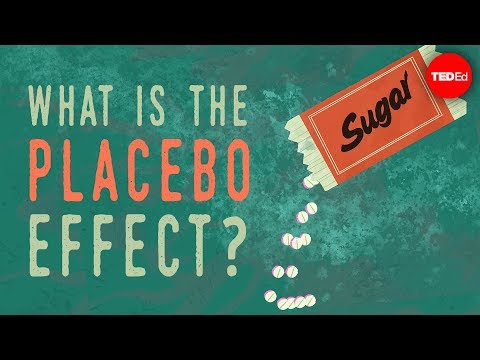
The placebo effect is often misunderstood as merely a psychological trick, but its mechanisms are far more complex and scientifically profound. It describes the phenomenon where a patient's symptoms improve after receiving a treatment with no active therapeutic component, purely due to their belief in the treatment's efficacy. This isn't about deception; it's about the brain’s incredible ability to influence physiological processes.
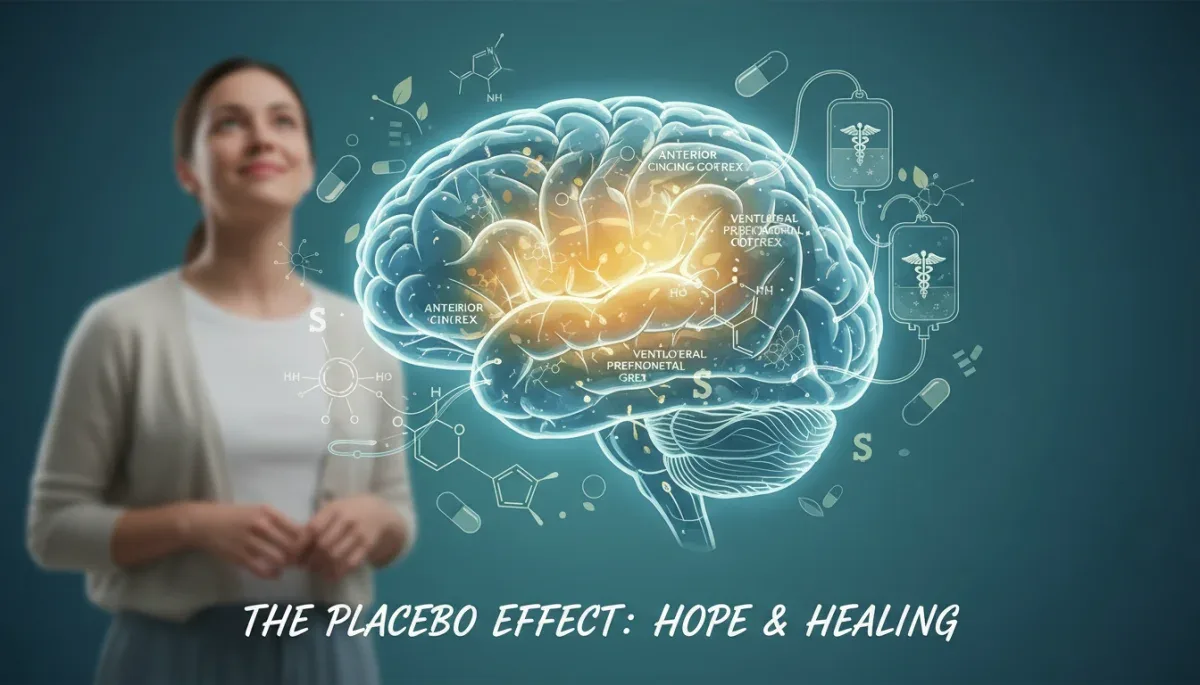
For decades, placebos were primarily considered a nuisance in clinical trials, a baseline against which active drugs were measured. However, recent research has illuminated the sophisticated neurobiological pathways involved, demonstrating that the placebo effect can elicit real physiological changes. These changes include the release of endorphins, activation of specific brain regions, and modulation of immune responses, all contributing to tangible health improvements.
Advertisements
Neurobiological Underpinnings of Placebo
The brain's response to a placebo is not uniform; it involves a sophisticated interplay of various neural circuits. Expectations, conditioning, and learning all play critical roles in shaping the placebo response. When a patient anticipates a positive outcome, their brain can trigger a cascade of biochemical reactions that mimic the effects of an active drug.
- Expectation: The belief that a treatment will work is a powerful driver of the placebo effect, influencing neurotransmitter release.
- Conditioning: Prior positive experiences with medical interventions can condition the body to respond similarly to inert treatments.
- Learning: The social context and verbal cues from healthcare providers significantly shape a patient's perception and response.
The implications of these findings are vast. If we can harness these intrinsic mechanisms, we might unlock new, non-pharmacological avenues for treating a wide range of conditions. The goal by 2026 is to integrate this understanding into mainstream healthcare, enhancing patient care and optimizing treatment strategies. This deeper appreciation moves the placebo from a mere control to a potential therapeutic tool.
Integrating Mind-Body Science into Clinical Practice
Moving forward, the challenge lies in effectively integrating the principles of mind-body science into everyday clinical practice. This means shifting from a purely biomedical model to one that acknowledges and actively utilizes the patient's psychological and emotional state as part of the healing process. By 2026, we anticipate a more holistic approach becoming standard, where the patient's beliefs and expectations are carefully considered and fostered.
Healthcare providers will need specialized training to communicate effectively about treatments, fostering positive expectations without misleading patients. This involves carefully chosen language, empathetic interactions, and creating an environment that promotes a sense of hope and confidence. The therapeutic encounter itself becomes a powerful component of care, leveraging the patient-provider relationship to enhance outcomes.
Strategies for Therapeutic Integration
Several strategies can facilitate the integration of mind-body science into clinical settings. These approaches aim to harness the placebo effect ethically and effectively, making it a conscious part of patient management rather than an accidental byproduct.
- Enhanced Communication: Training clinicians to communicate treatment information in a way that maximizes positive expectations and minimizes anxiety.
- Contextual Healing: Creating a therapeutic environment that is calming, reassuring, and conducive to healing, from clinic decor to staff demeanor.
- Personalized Approaches: Tailoring interventions to individual patient beliefs and psychological profiles to optimize their response to treatment.
The ethical considerations are paramount. It's not about deceiving patients but about understanding and ethically utilizing the known effects of context, expectation, and ritual in medicine. As we approach 2026, research will continue to refine these strategies, ensuring that the integration of mind-body science is both effective and transparent, upholding the highest standards of patient care.
The Role of Expectation and Conditioning in Healing
Expectation and conditioning are two cornerstones of the placebo effect, demonstrating how deeply intertwined our psychological states are with our physical health. When a patient expects a treatment to alleviate their symptoms, their brain can initiate a cascade of physiological responses that contribute to genuine improvement. This isn't imaginary; it's a measurable biological process.
Conditioning, on the other hand, involves learned associations. If a patient has previously experienced positive outcomes from a particular type of treatment or in a specific clinical setting, their body can be conditioned to respond favorably even to an inert intervention that mimics the original. This explains why the color of a pill or the ritual of administration can sometimes influence its perceived effectiveness.
The interplay of these factors is crucial for understanding how the placebo effect can be systematically harnessed. By understanding how expectations are formed and how conditioning influences responses, healthcare providers can design interventions that optimize these natural healing mechanisms. This could lead to a significant reduction in reliance on pharmacological solutions for certain conditions, especially those with strong psychological components.
Ethical Considerations and Responsible Application by 2026
The ethical application of the placebo effect is a critical area of discussion and development. By 2026, guidelines and best practices will be essential to ensure that mind-body science is leveraged responsibly, without compromising patient trust or informed consent. The goal is to enhance healing, not to manipulate patients.
Transparency is key. Patients should be informed about the various factors that influence their health, including the role of their own mind and expectations. This open dialogue empowers patients, making them active participants in their healing journey rather than passive recipients of treatment. The conversation around placebo should shift from one of 'fake' treatments to one of understanding the brain's profound capacity for self-healing.
Developing Ethical Frameworks
As research progresses, the medical community must develop robust ethical frameworks for integrating placebo-like effects into care. These frameworks will address how to discuss the mind-body connection with patients, how to design clinical environments, and how to train healthcare professionals.
- Informed Consent: Ensuring patients understand the comprehensive nature of their treatment, including psychological factors.
- Patient Empowerment: Educating patients about their own capacity to influence healing, fostering a sense of agency.
- Professional Training: Equipping healthcare providers with the skills to ethically and effectively integrate mind-body principles.
The responsible application of mind-body science by 2026 will involve a delicate balance between maximizing therapeutic potential and maintaining absolute ethical integrity. This will require ongoing research, open dialogue, and a commitment to patient-centered care. The aim is to build a healthcare system that fully embraces all dimensions of human health.
Future Directions: Personalized Placebo and Digital Health
Looking towards 2026 and beyond, the future of leveraging mind-body science for better health outcomes promises exciting advancements, particularly in personalized placebo interventions and the integration of digital health technologies. The current one-size-fits-all approach to medicine is slowly giving way to more individualized strategies, and the placebo effect is no exception.
Personalized placebo interventions would involve understanding an individual's psychological profile, past medical experiences, and cultural beliefs to tailor a therapeutic context that maximizes their inherent healing response. This could mean designing specific rituals, crafting particular narratives, or even utilizing virtual reality to enhance positive expectations and reduce anxiety, thereby amplifying the placebo effect.
Digital health platforms offer another frontier. Wearable devices, AI-powered therapeutic apps, and telehealth services can all be designed to incorporate elements that foster positive expectations and reinforce beneficial behaviors. Imagine an app that provides personalized affirmations, guided visualizations, or even biofeedback to help patients tap into their body's healing potential, all based on their unique psychological makeup.
Technological Advancements and Research Focus
The convergence of neuroscience, psychology, and technology is paving the way for unprecedented insights and applications. Research will increasingly focus on identifying biomarkers that predict placebo responsiveness, allowing for more targeted and effective interventions. This will move the field beyond anecdotal evidence into a realm of precision medicine.
- Biomarker Discovery: Identifying genetic or neural markers that indicate an individual's propensity for placebo response.
- VR/AR Therapies: Utilizing virtual and augmented reality to create immersive therapeutic environments that enhance positive expectations.
- AI-Driven Interventions: Developing artificial intelligence models to personalize mind-body interventions based on patient data.
By 2026, these advancements will not only deepen our understanding of the mind-body connection but also provide practical, scalable tools for healthcare providers. The future of health outcomes will likely involve a sophisticated blend of conventional treatments, personalized mind-body strategies, and cutting-edge digital technologies, all working in synergy to promote well-being.
Challenges and Opportunities in Placebo Research
While the potential of leveraging mind-body science is immense, there are significant challenges that need to be addressed to fully realize its benefits. One major hurdle is the inherent variability of the placebo response among individuals, making it difficult to predict who will respond and to what extent. This variability stems from a complex interplay of genetic, psychological, and environmental factors.
Another challenge lies in developing robust methodologies for studying the placebo effect in a way that is both scientifically rigorous and ethically sound. Traditional double-blind, placebo-controlled trials are designed to isolate the effect of the active drug, often obscuring the nuances of the placebo response itself. New research paradigms are needed to specifically investigate and quantify the mechanisms of mind-body healing.
However, these challenges also present unique opportunities. The pursuit of understanding placebo variability could lead to a deeper comprehension of individual differences in health and disease, paving the way for truly personalized medicine. Furthermore, refining research methodologies will not only advance our knowledge of the placebo effect but also improve the design and interpretation of all clinical trials.
Overcoming Research Hurdles
To move forward, the scientific community must embrace innovative approaches to research and collaboration. This includes multidisciplinary studies that integrate neuroscience, psychology, genetics, and clinical medicine. Funding for such complex research is crucial, as is fostering an environment that encourages open inquiry into these often-overlooked aspects of healing.
- Interdisciplinary Collaboration: Bringing together experts from diverse fields to tackle the multifaceted nature of the placebo effect.
- Innovative Trial Designs: Developing new clinical trial designs that can effectively measure and analyze placebo responses.
- Public and Professional Education: Increasing awareness and understanding of the placebo effect among both the general public and healthcare professionals.
By 2026, overcoming these challenges will be pivotal in transforming the placebo effect from a scientific curiosity into a mainstream therapeutic tool. The opportunities for improving patient care, reducing healthcare costs, and empowering individuals in their health journeys are too significant to ignore. The ongoing research will undoubtedly reshape our understanding of healing itself.
| Key Aspect | Brief Description |
|---|---|
| Mind-Body Connection | The profound influence of psychological factors on physiological health and healing processes. |
| Placebo Mechanisms | Involves neurobiological pathways, expectation, and conditioning leading to real physiological changes. |
| Ethical Integration | Responsible application requires transparency, informed consent, and empowering patients in their healing journey. |
| Future Outlook | Personalized placebo interventions and digital health tools are set to revolutionize care by 2026. |
Frequently Asked Questions About Placebo and Mind-Body Science
What is the placebo effect and how does it work?▼The placebo effect is a genuine physiological response to an inert treatment, driven by a patient's belief and expectation. It works through neurobiological pathways, releasing natural pain relievers like endorphins and activating brain regions associated with reward and anticipation, leading to measurable improvements in symptoms without active medication.
Can the placebo effect be intentionally harnessed in medicine?▼Yes, ethically harnessing the placebo effect involves understanding and optimizing factors like positive communication, therapeutic rituals, and a supportive clinical environment. It's about enhancing the patient's innate healing capacity rather than deceptive practices, making it a conscious part of patient care to improve outcomes.
What role do expectations play in the placebo response?▼Expectations are fundamental. A patient's belief that a treatment will alleviate their symptoms can trigger a powerful cascade of brain activity and neurochemical changes. This anticipation significantly influences how the body perceives and responds to stimuli, directly impacting the magnitude and nature of the placebo effect.
Are there ethical concerns when discussing placebo with patients?▼Ethical discussions are crucial. The focus should be on transparency and empowering patients by explaining the mind's role in healing, not on prescribing inert substances without their knowledge. Open communication about the brain's capacity to influence health outcomes fosters trust and allows patients to actively participate in their treatment.
How will technology influence mind-body science by 2026?▼By 2026, technology will be pivotal. Personalized digital health tools, AI-driven interventions, and virtual reality therapies are expected to enhance positive expectations and tailor mind-body approaches. These advancements will provide scalable and individualized methods to leverage the placebo effect, improving overall health outcomes.
Conclusion
The journey to fully understand and integrate the power of placebo mind-body science into healthcare is a testament to the evolving nature of medicine. By 2026, we are on the cusp of a paradigm shift, moving towards a more holistic, patient-centered approach that recognizes the profound influence of the mind on physical health. This involves not only deeper scientific understanding of neurobiological mechanisms but also the ethical integration of these insights into clinical practice. As we navigate the complexities of expectation, conditioning, and personalized interventions, the potential to enhance health outcomes through the mind's inherent healing capacity becomes increasingly clear. The future of medicine is poised to embrace this powerful connection, transforming how we prevent, treat, and manage a myriad of conditions, ultimately leading to better well-being for all.